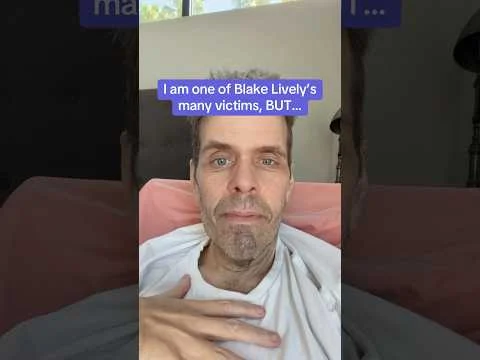

In a significant development that has sent ripples through Hollywood and the legal community, veteran celebrity commentator Perez Hilton has publicly detailed his experience as one of the alleged "victims" of a widespread legal campaign initiated by actress Blake Lively in 2025. Hilton claims Lively filed "dozens of baseless subpoenas" targeting individuals critical of her unspecified claims against actor Justin Baldoni, particularly in the context of the highly anticipated film adaptation of Colleen Hoover’s bestselling novel, It Ends With Us. This revelation, made public by Hilton on April 5, 2026, has ignited discussions about the boundaries of celebrity legal action, freedom of speech, and the potential for powerful figures to use the legal system to silence dissent.
The Genesis of the Controversy: Unpacking the Allegations
The controversy, as outlined by Perez Hilton, stems from a series of legal maneuvers reportedly orchestrated by Blake Lively’s legal team throughout 2025. While the specific nature of Lively’s initial "claims against Justin Baldoni" remains largely undisclosed in Hilton’s public statements, industry insiders and legal analysts infer they likely relate to disputes during or after the production of the It Ends With Us film. Baldoni, who not only stars in the adaptation but also serves as its director, found himself at the center of this legal maelstrom. Lively, a prominent figure in Hollywood known for her roles in Gossip Girl and various films, and her marriage to actor Ryan Reynolds, allegedly sought to exert legal pressure on individuals who voiced criticism or skepticism regarding her position in these disputes.
Perez Hilton, a long-standing figure in celebrity journalism, characterized these subpoenas as "baseless," suggesting they lacked sufficient legal merit and were primarily designed to intimidate and "hurt people." Hilton’s account describes a personal ordeal, stating he was "hurt" by the experience but emerged "stronger and wiser." His decision to go public, he asserts, is an act of "releasing this trauma" and standing "in solidarity with the countless others that Ryan Reynolds’ wife abused through the legal system." This phrase, "abused through the legal system," underscores the severity of the allegations and frames Lively’s actions not merely as routine legal procedure but as a weaponization of the courts.
Understanding Subpoenas and Their Potential Misuse
A subpoena is a legal writ ordering a person to attend a court or produce documents. They are crucial tools in the discovery phase of litigation, designed to gather evidence pertinent to a case. However, the term "baseless subpoenas" implies a significant departure from their intended purpose. A subpoena can be deemed baseless or abusive if it is issued without a legitimate legal basis, if it seeks irrelevant or privileged information, or if its primary intent is to harass, burden, or silence a party rather than to genuinely aid in the discovery of facts for a valid legal claim.
When a celebrity or public figure issues numerous subpoenas against critics, it can create a "chilling effect." This phenomenon refers to the suppression of legitimate speech or criticism due to fear of legal repercussions. Individuals, particularly those without significant financial resources, may opt to self-censor rather than face the considerable expense and stress of responding to legal demands, even if those demands are ultimately found to be without merit. This dynamic raises critical questions about the balance between protecting an individual’s reputation and upholding the principles of free speech and open commentary, especially in the context of public figures and artistic endeavors.
A Chronology of Alleged Events (Inferred from Public Statements)
While a detailed, officially confirmed timeline is not yet available, Perez Hilton’s statements allow for the construction of an inferred chronology:
- Late 2024: Unspecified "claims" by Blake Lively against Justin Baldoni begin to surface. These claims likely pertained to creative control, contractual obligations, or professional conduct surrounding the It Ends With Us film, which was a high-profile project given the book’s immense popularity.
- Early 2025: Public and media commentary regarding Lively’s claims intensifies. Various outlets, including celebrity news sites and social media influencers, begin to scrutinize the situation, with some expressing criticism or skepticism towards Lively’s position. Perez Hilton’s platform, known for its unfiltered celebrity commentary, would have been a natural venue for such discussions.
- Mid-2025: Blake Lively’s legal team allegedly commences issuing "dozens of baseless subpoenas." These legal demands targeted individuals and entities, including Perez Hilton, who had been critical of Lively’s stance or reported on the unfolding dispute. The subpoenas likely sought to compel testimony, the production of documents, or the disclosure of sources related to their commentary.
- Late 2025: Affected parties, potentially including Perez Hilton and others, engage legal counsel to respond to or challenge these subpoenas. Motions to quash (legal requests to invalidate a subpoena) may have been filed, arguing the subpoenas were overly broad, sought irrelevant information, or were intended for harassment. The involvement of a judicial figure like "Judge Liman," mentioned by Hilton, suggests that at least some of these legal challenges may have reached the judicial review stage.
- Early 2026 (Leading up to April 5, 2026): The legal skirmishes presumably conclude, or at least reach a point where the immediate pressure on those subpoenaed subsides. Perez Hilton, reflecting on the experience, decides to share his story, labeling himself a "victim" and calling for solidarity among others who faced similar legal pressure. His public announcement on April 5, 2026, marks the public unveiling of this alleged legal campaign.
The Context of It Ends With Us and Its High Stakes
The mention of It Ends With Us and Colleen Hoover is crucial to understanding the backdrop of this dispute. Hoover’s novel is a global phenomenon, resonating with millions of readers due to its sensitive portrayal of domestic abuse, resilience, and complex relationships. The film adaptation, starring Lively as Lily Bloom and Baldoni as Ryle Kincaid (who also directs), carried immense expectations and scrutiny from its dedicated fanbase. The casting decisions, creative interpretations, and overall production process were subjects of intense public interest.
Any significant disagreement or controversy involving the lead actors and director of such a high-profile adaptation could have far-reaching implications, not just for the individuals involved but also for the perception of the film itself and the sensitive themes it addresses. The pressure to deliver a faithful and impactful adaptation, coupled with the inherent complexities of film production, creates fertile ground for disputes. It is within this high-stakes environment that Lively’s alleged legal actions against critics unfolded, potentially attempting to control the narrative surrounding her involvement and the film’s production.
Perez Hilton’s Role and Public Reactions
Perez Hilton, whose real name is Mario Armando Lavandeira Jr., built his career on provocative and often controversial celebrity gossip. His blog rose to prominence in the 2000s for its unfiltered commentary and willingness to challenge celebrity narratives. While his methods have evolved over the years, he remains a recognized voice in the entertainment industry. His decision to speak out against Blake Lively’s alleged legal tactics carries weight, given his history and understanding of the celebrity-media ecosystem.
His statement, particularly the phrase "I AM FREE!," suggests a profound sense of relief and a desire to publicly confront what he perceives as an attempt to suppress his voice. The solidarity he expresses with "countless others" implies a broader pattern of behavior by Lively’s legal team, potentially affecting numerous journalists, bloggers, and even ordinary social media users who dared to offer critical commentary. This collective experience, if substantiated, could form the basis of a significant industry-wide discussion about the ethics of celebrity legal strategies.
The involvement of Ryan Reynolds, Lively’s husband, through the phrase "Ryan Reynolds’ wife," also adds a layer of public relations complexity. While Reynolds is not accused of direct involvement, his public image and association with Lively are inextricably linked, and any negative perception of Lively’s actions could indirectly affect his brand as well.
Legal and Ethical Implications for the Entertainment Industry
The allegations brought forth by Perez Hilton, if proven accurate, highlight several critical legal and ethical implications for the entertainment industry:
- Freedom of Speech vs. Harassment: The core tension lies between the public’s right to comment on public figures and their projects, and a celebrity’s right to protect their reputation. Baseless subpoenas are seen as an attempt to bypass legitimate defamation claims and instead use the legal process itself as a punishment or deterrent.
- Chilling Effect on Journalism: When legal threats are used broadly against critics, it can intimidate journalists and commentators, leading to self-censorship. This undermines the role of a free press in holding powerful figures accountable and fostering open public discourse.
- Abuse of Process: The legal system is designed to resolve disputes fairly. Issuing "baseless" subpoenas could be construed as an abuse of process, a legal tort that punishes the malicious and improper use of legal proceedings. Courts often have mechanisms to sanction parties who engage in such behavior, though demonstrating intent can be challenging.
- Public Image and Reputation: For a celebrity like Blake Lively, whose career relies heavily on public goodwill, allegations of using aggressive and potentially abusive legal tactics can significantly damage her public image. Such actions can lead to a perception of being litigious, vindictive, or intolerant of criticism, potentially alienating fans and industry peers.
- Cost of Defense: Responding to a subpoena, even a baseless one, requires legal counsel and can incur substantial costs. This financial burden disproportionately affects independent journalists, bloggers, or individuals who lack the resources of major media organizations, thereby creating an uneven playing field.
- The Role of Judges: The mention of "Judge Liman" suggests that judicial oversight may have been involved in some capacity. Judges play a crucial role in safeguarding against the abuse of legal processes, and their rulings on motions to quash or sanction abusive subpoenas are vital in upholding legal ethics.
Broader Impact and Future Considerations
The unfolding narrative surrounding Blake Lively’s alleged legal campaign could have lasting repercussions beyond the immediate parties involved. It could:
- Spark Industry Dialogue: Prompt discussions within Hollywood about appropriate responses to public criticism and the ethical boundaries of legal action by celebrities.
- Influence Public Perception: Shape how the public views celebrities who engage in aggressive legal tactics, potentially leading to increased scrutiny and decreased sympathy.
- Encourage Legal Reform: While unlikely to happen overnight, a series of high-profile cases involving alleged legal abuse could fuel calls for reforms to protect free speech more effectively against strategic lawsuits against public participation (SLAPPs), which these subpoenas bear some resemblance to in their alleged intent.
- Empower Affected Parties: Perez Hilton’s public statement may embolden other individuals who were allegedly targeted by Lively’s subpoenas to come forward and share their experiences, potentially leading to a broader class action or collective legal response, or at the very least, a unified public voice.
- Impact on "It Ends With Us": While the film has been released or is nearing release by the time of Hilton’s statement, ongoing controversy surrounding its lead figures could affect its long-term reception, especially among audiences sensitive to issues of ethics and integrity in creative endeavors.
The mention of "Esra Hudson" in the original context could refer to a specific legal counsel involved, another alleged victim, or an expert commentator. Without further information, it remains a placeholder for potential further details that might emerge.
In conclusion, Perez Hilton’s claims regarding Blake Lively’s alleged "baseless subpoenas" in 2025 represent a significant moment in the ongoing discourse about celebrity power, media scrutiny, and the use of legal mechanisms. His public reflection on his "trauma" and call for solidarity underscore the profound personal and professional impact such actions can have. As the story continues to unfold, it is poised to serve as a crucial case study in the delicate balance between protecting personal and professional reputations and upholding the fundamental principles of free expression in the digital age. The entertainment industry, legal community, and public alike will be watching closely to see how these serious allegations ultimately reshape perceptions and practices within Hollywood.