
King Charles shared a series of tender interactions with his grandchildren during the traditional Easter Sunday service at St. George’s Chapel, Windsor, offering a glimpse into the personal bonds within the Royal Family amidst significant public events. The King, accompanied by Queen Camilla, was met with warm greetings from his family as they gathered for the annual religious observance, a cornerstone of the royal calendar. The day’s proceedings were marked by quiet affection and a sense of familial continuity, underscored by the King’s visible delight in the company of his youngest grandson, Prince Louis.
A Grandfather’s Affection on Display
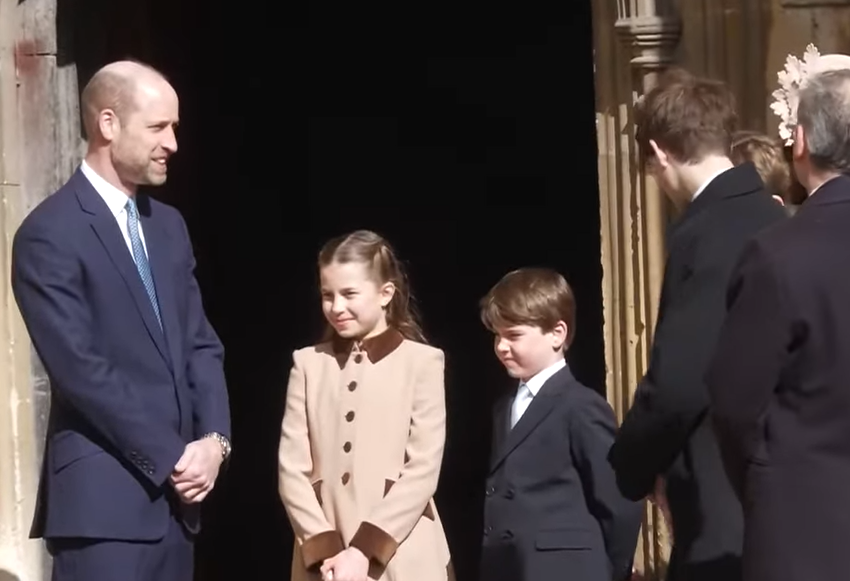
As King Charles and Queen Camilla arrived at St. George’s Chapel, a palpable sense of anticipation filled the air. The Prince and Princess of Wales, along with their three children, Prince George, Princess Charlotte, and Prince Louis, were among the first to arrive, having made the short walk from Windsor Castle. It was upon spotting his youngest grandson that King Charles’s demeanor visibly softened. Breaking into a broad smile, he reached out to pat Prince Louis, a gesture that resonated with observers familiar with the strong affection between the monarch and the spirited young prince.
Prince Louis, who is set to celebrate his eighth birthday in the coming weeks, has previously been noted as a particular favourite of his grandfather. Their public interactions have often been captured, including a memorable moment during the Platinum Jubilee concert in 2022. At that event, the then four-year-old Prince Louis famously sought comfort on his grandfather’s lap while watching the festivities honouring Queen Elizabeth II’s 70-year reign, a testament to their close relationship. This latest interaction at Windsor further cemented the image of a doting grandfather cherishing his grandchildren.
Beyond Prince Louis, King Charles also extended warm greetings to his elder grandchildren, Prince George, aged 12, and Princess Charlotte, aged 10. He blew them a kiss as he caught sight of them, a gesture of paternal affection that highlighted the joy he finds in their presence. These moments of familial warmth are particularly significant, occurring against a backdrop of evolving public duties and health concerns within the Royal Family.
The Royal Procession and Familial Etiquette
The arrival of the Royal Family at St. George’s Chapel followed established traditions. The Prince and Princess of Wales, Prince George, Princess Charlotte, and Prince Louis were the vanguard, navigating the gently sloping path from the Castle to the Chapel. Their presence together underscored the continued emphasis on family unity within the Wales household.
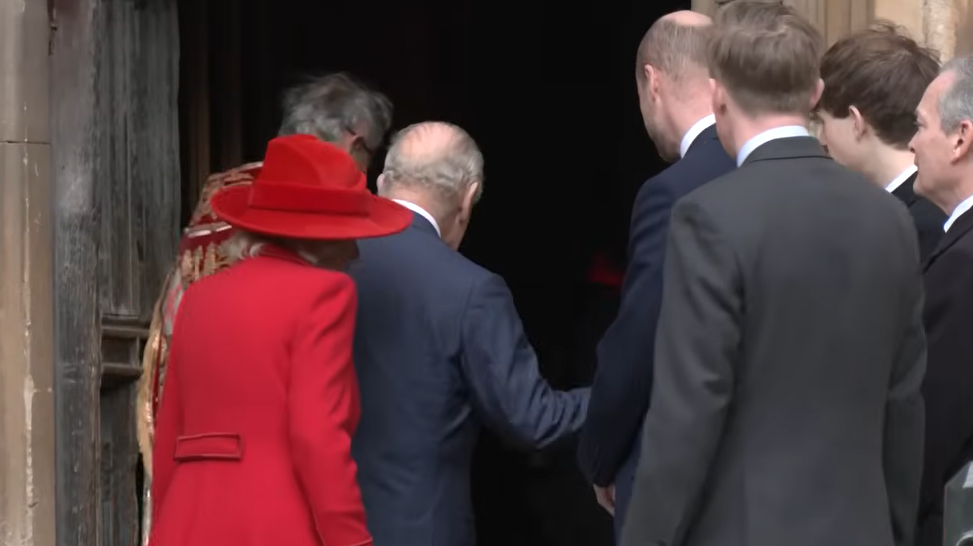
Following closely behind were the Princess Royal, Princess Anne, and her husband, Sir Tim Laurence. In a touching display of intergenerational courtesy, Princess Anne gestured for her nephew, James, Earl of Wessex, to proceed ahead of her. James, who had initially stepped back to allow his aunt to greet the clergy, was gently encouraged by Princess Anne to go first, a subtle yet meaningful acknowledgement of his place within the family order and a demonstration of her warm regard for him.
The Duke of Edinburgh, Prince Edward, was also in attendance. However, his wife, Sophie, Duchess of Edinburgh, and their daughter, Lady Louise Windsor, were notably absent from this particular Easter celebration. Their absence, while not explicitly explained, did not detract from the overall family gathering.
Notable Absences and New Faces
The Easter service also saw the absence of other prominent members of the Royal Family. Princess Beatrice and Princess Eugenie, daughters of Prince Andrew, were not present, having previously announced their intentions to spend Easter with their respective husbands and children. This decision comes in the wake of significant public scrutiny surrounding their father, Prince Andrew, following his arrest on suspicion of misconduct in public office and subsequent release under investigation. The heightened attention on their family dynamics likely influenced their decision to observe the holiday in a more private capacity.
In contrast, a new face graced the royal Easter congregation: Harriet Sperling, the fiancée of Peter Phillips, son of Princess Anne. Their attendance together comes just days after the announcement of their upcoming wedding, scheduled for July 6th in Kemble, near Cirencester. This public appearance marks a significant step in their relationship and signals their integration into the broader royal fold.
Also present was Lady Sarah Chatto, the daughter of the late Princess Margaret and a beloved cousin to King Charles. Accompanied by her husband, Daniel Chatto, her presence underscored the enduring familial ties that extend beyond the immediate Windsor line.
The Significance of the Easter Service
The Easter Sunday service at St. George’s Chapel is a deeply symbolic occasion for the Royal Family, marking a period of religious reflection and communal gathering. St. George’s Chapel, a historic and revered site within the Windsor Castle complex, has long been the venue for significant royal events, including christenings, weddings, and funerals. Its serene atmosphere provides a fitting backdrop for the solemnity of the Easter message.
Historically, Easter has been a time for the Royal Family to come together, reinforcing their collective identity and their role as a unifying presence for the nation. The service itself typically involves traditional hymns, scripture readings, and a sermon, all of which contribute to the spiritual and ceremonial aspects of the day. For many, attending this service is an integral part of their public duties and their personal faith.
A Glimpse into Royal Continuity and Evolving Roles
The interactions observed on Easter Sunday offer a valuable insight into the functioning of the modern Royal Family. The visible affection between King Charles and his grandchildren, particularly Prince Louis, highlights the enduring importance of family bonds, even amidst the demanding responsibilities of the monarchy. The presence of younger generations, such as Prince George and Princess Charlotte, signifies the continuity of the institution and the preparation of future heirs.
The inclusion of new partners, like Harriet Sperling, and the presence of extended family members, such as Lady Sarah Chatto, demonstrate the Royal Family’s capacity for integration and its commitment to maintaining strong familial connections. These events, while steeped in tradition, also reflect the evolving nature of the monarchy and its efforts to connect with the public in an increasingly modern world.
Post-Service Interactions and Public Engagement
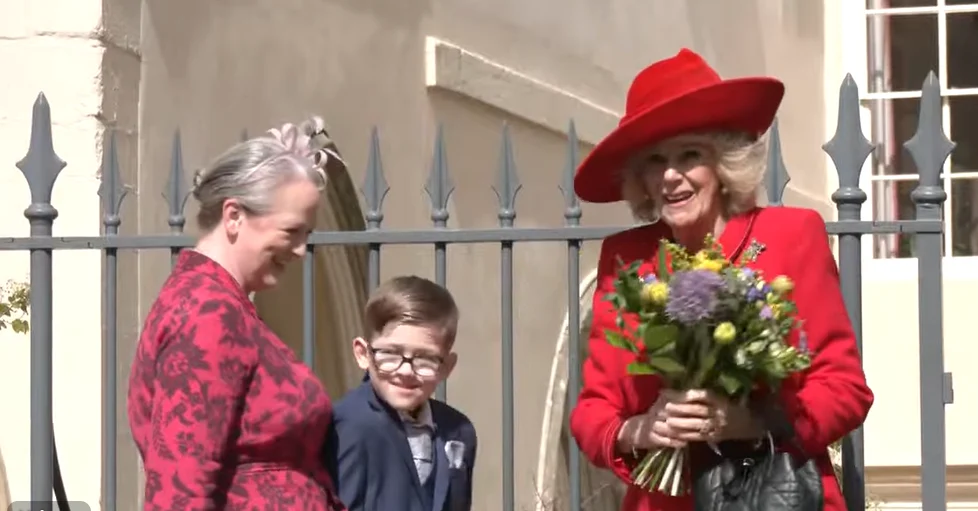
Following the conclusion of the service, King Charles and Queen Camilla engaged with members of the public who had gathered outside the chapel to offer their Easter greetings. Queen Camilla was presented with a bouquet of spring flowers, a colourful gesture from well-wishers. The King and Queen then participated in a brief walkabout, exchanging pleasantries and extending their warm wishes for a Happy Easter. This direct engagement with the public is a crucial element of their royal duties, allowing them to connect with the people they serve and to convey a sense of approachability.
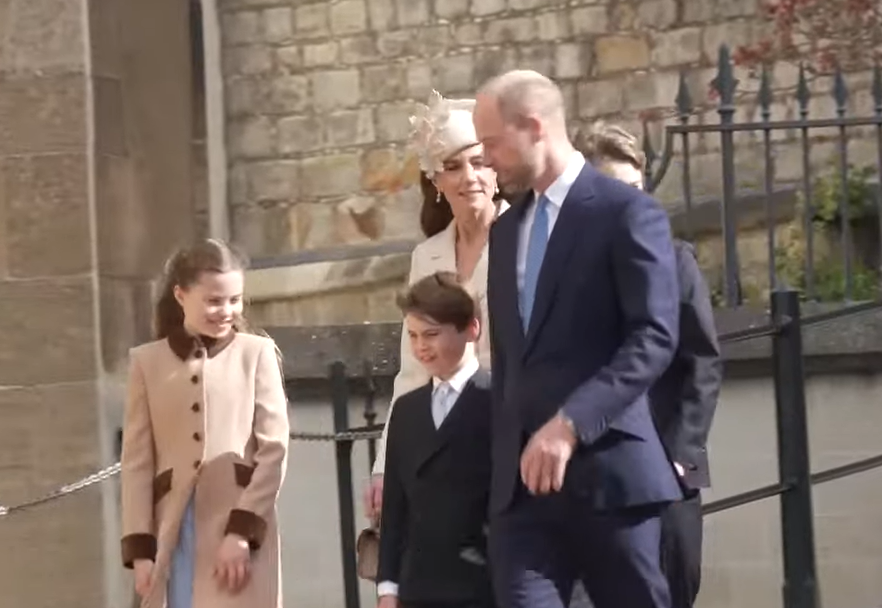
The family then returned to Windsor Castle to continue their private celebrations. The Easter gathering at Windsor serves not only as a religious observance but also as a vital opportunity for the Royal Family to strengthen their bonds, reaffirm their shared values, and project an image of unity and resilience. The observed moments of affection and familial warmth offer a reassuring glimpse into the personal lives of the individuals who represent the Crown, reminding the public of the human element behind the royal facade.
The events of this Easter Sunday in Windsor underscore the enduring significance of tradition within the British monarchy, while simultaneously showcasing the personal relationships and evolving dynamics that shape the Royal Family’s present and future. The King’s interactions with his grandchildren, in particular, serve as a poignant reminder of the personal joys that accompany his public service, offering a narrative of affection and continuity in a changing world.