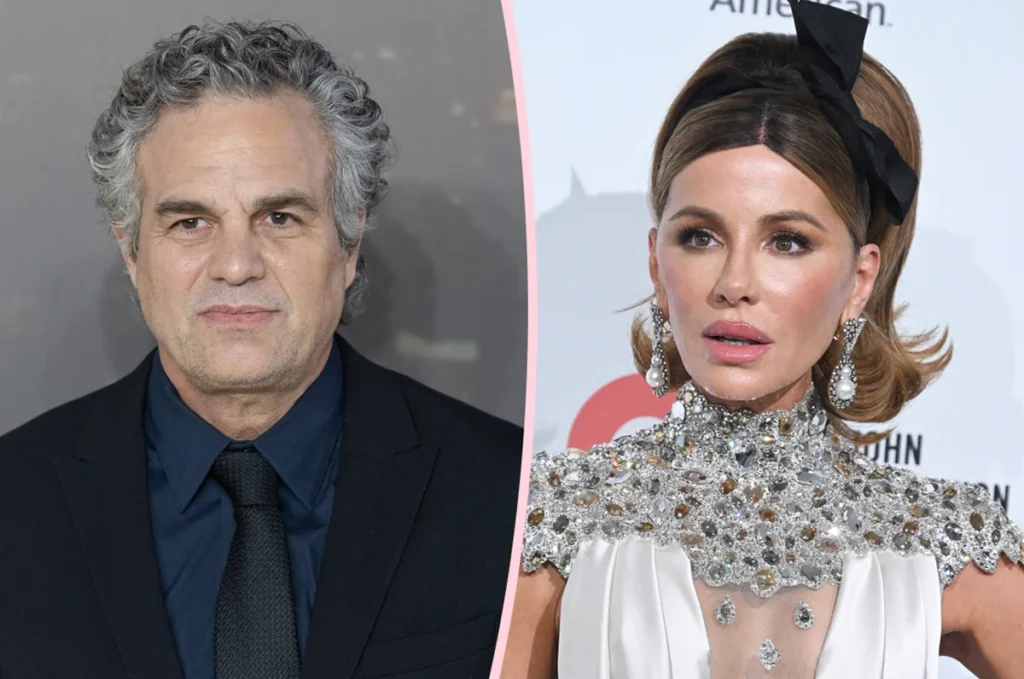

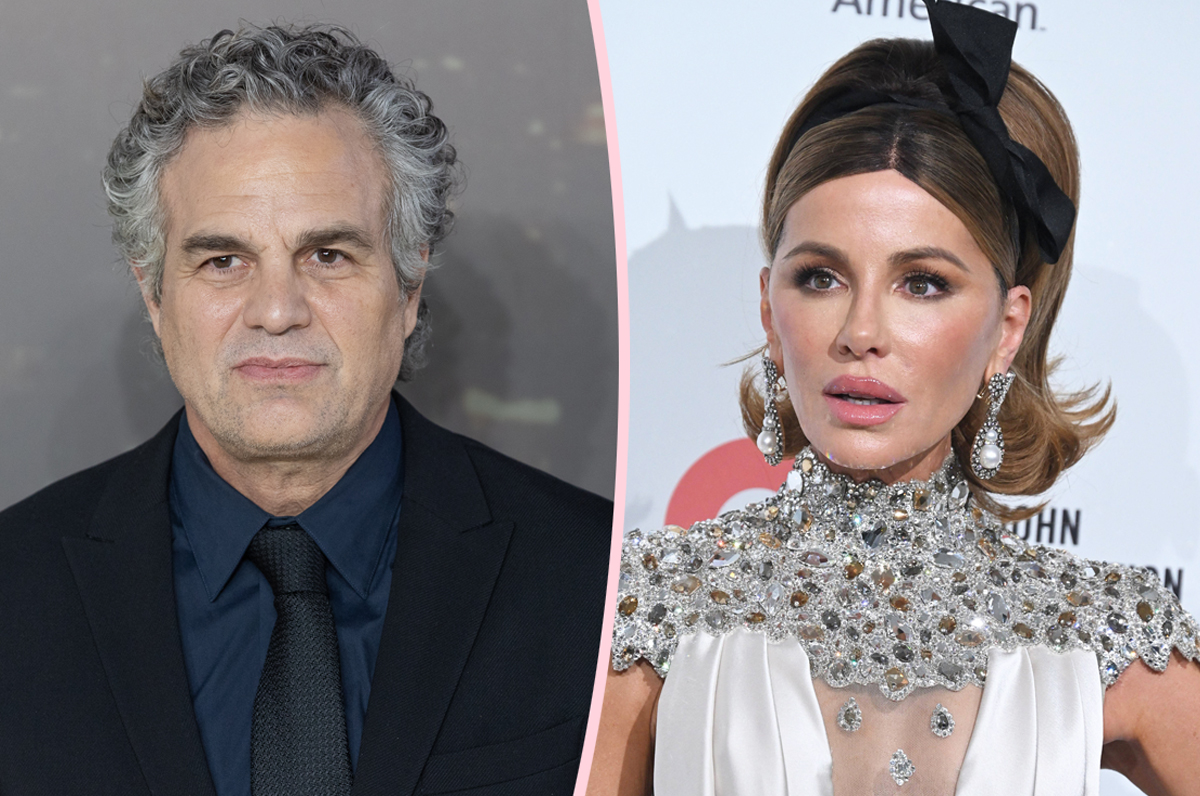
In a series of now-deleted social media comments, actress Kate Beckinsale has levied significant accusations against fellow Marvel star Mark Ruffalo, asserting that she was dismissed by their mutual talent agent for liking a social media post advocating for a ceasefire in Gaza. Beckinsale’s public call-out, made under a video where Ruffalo promoted his new film Palestine 36, also highlighted what she perceived as "male privilege" in Hollywood, suggesting that Ruffalo’s gender protected him from similar professional repercussions despite his own public engagement with pro-Palestinian issues. The dramatic statements, first reported by Entertainment Weekly, reveal a deep personal and professional rift, underscoring the intense pressure and potential career fallout for public figures navigating the highly sensitive geopolitical landscape of the Israel-Hamas conflict.
Background to the Controversy: Geopolitical Tensions and Hollywood
The entertainment industry has found itself deeply entangled in the global discourse surrounding the ongoing Israel-Hamas conflict. Since the escalation of hostilities in October 2023, public figures across Hollywood have faced unprecedented scrutiny over their political statements, social media activity, and perceived allegiances. This climate has fostered an environment where expressions of solidarity, particularly concerning the Palestinian cause, have sometimes led to severe professional consequences, including contract terminations, public condemnations, and the loss of representation. Talent agencies, production houses, and studios have been compelled to navigate complex moral and business considerations, often leading to swift and decisive actions against talent whose public stances are deemed controversial or misaligned with corporate values or prevailing industry sentiment. This backdrop is crucial for understanding the gravity of Beckinsale’s allegations and the broader implications for freedom of expression within the industry.
Beckinsale’s Account: A Timeline of Personal Hardship and Professional Fallout
According to Beckinsale’s extensive comments, her professional dismissal occurred in November 2023, a mere two days after the conclusion of the Screen Actors Guild (SAG-AFTRA) strike, which had idled actors for nine months. She stated, "Gosh, it must be so nice not to be fired by your Agent for liking a post about a ceasefire and not supporting the murdering of children." This pointed remark established the core of her grievance.
Beckinsale detailed that her termination by an agent with whom she shared a "12 years of friendship" came at an exceptionally difficult period in her personal life. At the time, she was grappling with profound family health crises: her mother, Judy Loe, had been diagnosed with terminal brain cancer and was given six weeks to live, ultimately passing away in July 2025. Simultaneously, her stepfather, Roy Battersby, had suffered a catastrophic stroke on top of battling two types of cancer, leading to his death in 2024. Beckinsale described herself as the primary caregiver for both, preparing to fly to England to care for her stepfather when she received the abrupt termination notice. She emphasized the agent’s awareness of her personal struggles, stating, "she is very close to her elderly parents and definitely knew what I was dealing with, alone." The confluence of these personal tragedies with the professional blow amplified the emotional weight of her public statements.
Beckinsale explicitly linked her firing to that of veteran actress Susan Sarandon, who was dropped by her talent agency, United Talent Agency (UTA), in November 2023 following remarks made at a pro-Palestine rally in New York City. Sarandon’s comments, which included statements about Jewish Americans "getting a taste of what it feels like to be Muslim in this country," drew widespread criticism and prompted her agency to sever ties. Beckinsale claimed, "I’ve got fired on the same day as Susan Sarandon was fired," drawing a direct parallel that suggests a pattern of industry response to pro-Palestinian activism. This comparison highlights the perceived risk actors take when expressing opinions on such contentious issues, particularly when those opinions diverge from a perceived mainstream or industry-preferred narrative.
The ‘Male Privilege’ Accusation and Ruffalo’s Perceived Silence
A central component of Beckinsale’s critique was her assertion of "male privilege" within Hollywood, which she believes shielded Mark Ruffalo from similar consequences. "I guess having a penis in Hollywood really counts for a lot because you’ve not been fired by the same Agent that I had and she sent me a gift the week before so we didn’t have any beef, but I liked a post about a ceasefire and I’ve got fired," Beckinsale stated. This accusation stems from the fact that Ruffalo was promoting Palestine 36, a film whose title strongly suggests a focus on Palestinian narratives or the historical context of the region, aligning with the same political sphere that allegedly led to Beckinsale’s dismissal.
Mark Ruffalo is widely known for his progressive activism, advocating for various causes including environmental protection, climate change awareness, and political justice. His public persona is deeply intertwined with his social and political engagement. However, Beckinsale argued that despite his prominent activism and current promotion of a film related to Palestine, he faced no discernible professional backlash from their shared agent. She claimed to have reached out to Ruffalo months prior to her public comments, stating, "I messaged Mark about this months ago but you ignored me." In a separate comment, she reiterated her support for Ruffalo’s work but expressed resignation regarding his silence: "It is such a given that of course I did not get a response and I really and truly support Mark Ruffalo and everything he is doing but no I will not get a response not here and not ever. I sent a message to Mark months ago and he ignored it. There is absolutely no reason why he would respond to it now."
This aspect of her complaint taps into broader discussions about gender inequality and double standards in Hollywood, suggesting that male actors might be afforded greater latitude or protection when expressing political views compared to their female counterparts. The implication is that even among "good guys" and allies, systemic biases persist, affecting career stability and professional relationships.
The Role of Talent Agencies in Hollywood’s Political Climate
Talent agencies like the one Beckinsale and Ruffalo allegedly shared play a pivotal role in an actor’s career, serving as gatekeepers to auditions, projects, and lucrative endorsements. Being dropped by an agent, especially a long-standing one, can severely hamper an actor’s ability to secure work, particularly in a highly competitive industry. The decision by an agency to terminate representation due to political stances reflects a complex calculus involving financial interests, public relations, and the agency’s own political leanings or perceived neutrality.
The cases of both Kate Beckinsale and Susan Sarandon highlight a growing trend where agencies are taking definitive stands against talent whose public expressions are deemed problematic, divisive, or detrimental to their collective brand. This phenomenon has sparked debates about censorship, artistic freedom, and the extent to which actors should be held accountable for their off-screen opinions. While agencies often frame such decisions as business necessities, critics argue that they can stifle dissent and homogenize political discourse within the industry, creating a chilling effect for actors who might fear career repercussions for speaking their minds on sensitive global issues. The abruptness of Beckinsale’s dismissal, particularly given her personal circumstances and long-term relationship with the agent, further underscores the perceived severity of the perceived transgression.
Potential Implications and Unanswered Questions
As of this report, Mark Ruffalo has not publicly responded to Kate Beckinsale’s accusations. His silence could be interpreted in various ways: he may be unaware of the messages, choosing to address the matter privately, or opting not to engage in a public dispute. Given his established history of activism, a direct response or acknowledgment could carry significant weight, potentially validating Beckinsale’s claims or offering an alternative perspective.
The incident raises several critical questions about the future of activism in Hollywood. Will this public spat encourage greater transparency from agencies regarding their policies on talent’s political expressions? Will it prompt more actors, particularly women, to speak out against perceived gender-based disparities in how political engagement is treated? The highly publicized nature of this disagreement could serve as a catalyst for further discussions within the industry regarding ethical representation, freedom of speech, and the inherent power dynamics at play.
Beyond the immediate parties, this episode also reinforces the ongoing global conversation about how societies, and particularly public-facing industries, balance freedom of expression with the potential for offense or controversy, especially concerning deeply polarized geopolitical conflicts. The entertainment industry, often seen as a bellwether for cultural shifts, continues to grapple with these challenges, and the fallout from incidents like Beckinsale’s call-out will likely contribute to shaping future norms and expectations for celebrity engagement in political discourse. While Beckinsale stated she is "not even blaming Mark for this," but rather "noticing it" in general, her public articulation of these grievances undeniably places both her and Ruffalo at the center of a charged discussion that transcends individual personalities, touching upon fundamental issues of fairness, equity, and accountability within the influential world of Hollywood.