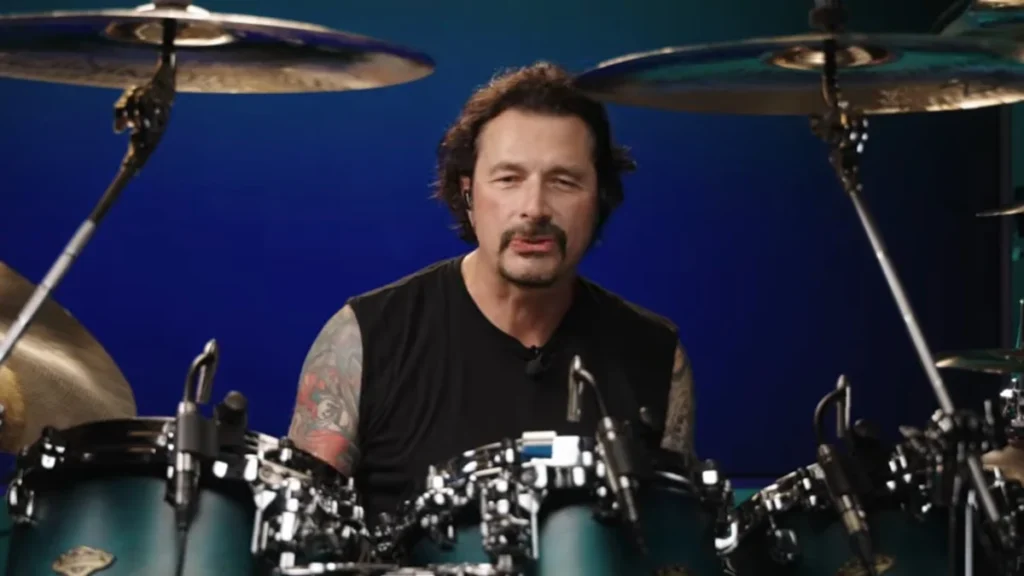

Veteran drummer John Tempesta recently offered an insightful deconstruction of his iconic drum part for White Zombie’s seminal track, "More Human Than Human," during a visit to the renowned drum education platform Drumeo. The comprehensive video presentation, hosted by Brandon Toews, features Tempesta performing the industrial metal anthem while interspersed with detailed commentary, revealing the creative genesis and technical nuances behind one of the 1990s’ most recognizable rock grooves. This session provides a rare glimpse into the mind of a seasoned musician and the meticulous process that underpins a chart-topping hit.
The Genesis of an Industrial Metal Anthem
"More Human Than Human," released in 1995 as the lead single from White Zombie’s fourth and final studio album, Astro-Creep 2000: Songs of Love, Destruction and Other Synthetic Delusions of the Electric Head, became an instant classic and a defining moment for the industrial metal genre. The track’s distinctive blend of heavy guitars, electronic textures, and Tempesta’s powerful yet deceptively simple beat propelled it to significant commercial success. It peaked at number 7 on the Billboard Mainstream Rock Tracks chart and number 10 on the Modern Rock Tracks chart, ultimately earning a Grammy Award nomination for Best Metal Performance in 1996. The song’s music video also received heavy rotation on MTV, further cementing its status in popular culture. Its enduring appeal lies not only in its aggressive energy but also in the innovative rhythmic foundation laid by Tempesta.
During his Drumeo session, Tempesta elaborated on the unlikely influences that shaped the track’s rhythmic backbone. He revealed that the "shockingly simple looping drum beat" was a fusion of two disparate styles: the propulsive energy of 1970s disco and the raw power of Led Zeppelin’s legendary drummer, John Bonham. "There’s a lot of kind of disco beats on this record with double hi-hats," Tempesta explained, highlighting how bandleader Rob Zombie’s affinity for such grooves injected a unique sense of movement into White Zombie’s typically aggressive sound. "Rob loved that stuff, which actually gave it a lot more movement… Listen to ’70s disco, or John Bonham in particular." This amalgamation of influences created a beat that was both driving and danceable, a crucial element in the band’s crossover appeal.
The Creative Process: From Rehearsal Room to Iconic Track
Tempesta’s account of the song’s creation offers valuable insight into the collaborative and sometimes serendipitous nature of music production. He recounted joining White Zombie shortly before the writing sessions for Astro-Creep 2000 began. The band was rehearsing in a "small studio in north Hollywood in the middle of summer that was hotter than hell" when the core groove for "More Human Than Human" spontaneously emerged. "I actually came up with the drum groove in rehearsal. I had just joined the band, we’re writing the record… I just started playing this Bonham groove and Rob was like, ‘Keep playing that.’" This initial spark, born from a casual improvisation, quickly became the foundational element upon which the rest of the song was built.
The evolution of the drum groove didn’t stop there. After Tempesta laid down the initial beat, it was refined and expanded upon by Charlie Clouser, a musician and producer then fresh from a significant stint with Nine Inch Nails. Clouser’s expertise in industrial music production, particularly his innovative use of loops and electronic manipulation, was instrumental in transforming Tempesta’s live drum performance into the polished, hypnotic loop heard on the final recording. His contribution helped bridge the gap between Tempesta’s organic, Bonham-inspired groove and the electronic, sampled aesthetic that characterized Astro-Creep 2000. This collaborative effort between Tempesta’s raw percussive power, Rob Zombie’s vision for rhythmic movement, and Clouser’s production acumen resulted in a track that perfectly encapsulated the industrial metal sound of the mid-1990s.
The Equipment: A Glimpse into the Recording Setup
Beyond the rhythmic influences and creative process, Tempesta also shed light on the specific instrumentation used during the Astro-Creep 2000 recording sessions. For drummers and gear enthusiasts, his revelation about the drum kit is particularly noteworthy. He disclosed that he played a prototype Tama Grand Star kit, a high-end series known for its robust construction and powerful sound. Adding to this unique setup, Tempesta utilized legendary session drummer Simon Phillips’ Art Star bass drums and bell brass snare drum.
The choice of a bell brass snare drum is significant. Bell brass snares are renowned for their incredibly cutting, powerful, and articulate sound, often favored in heavier music for their ability to project through dense mixes. Simon Phillips’ association with Tama’s Art Star series further underscores the quality and caliber of the equipment. Phillips, celebrated for his precision and versatility, had a signature sound, and his drums were known for their exceptional clarity and punch. The combination of a prototype Grand Star kit with Phillips’ specific bass drums and snare likely contributed significantly to the impactful and resonant drum sound that defines Astro-Creep 2000, giving Tempesta the sonic palette needed to execute his powerful grooves.
John Tempesta’s Illustrious Career and Drumeo’s Mission
John Tempesta’s career trajectory extends far beyond his pivotal role in White Zombie. His versatility and power have made him a highly sought-after drummer across various subgenres of rock and metal. Prior to White Zombie, he gained recognition for his work with thrash metal pioneers Exodus and Testament. Following White Zombie’s disbandment, Tempesta continued to make his mark, notably drumming for Rob Zombie’s solo project, Helmet, and the iconic British rock band The Cult, where he remains a member today. His extensive discography speaks volumes about his adaptability and enduring influence within the drumming community. From the intricate thrash patterns of his early career to the industrial grooves of White Zombie and the hard rock swagger of The Cult, Tempesta has consistently delivered impactful and memorable performances.
The platform hosting this invaluable breakdown, Drumeo, has established itself as a leading global resource for drum education. Founded with the mission to help drummers of all skill levels improve, Drumeo offers a vast library of lessons, courses, and artist interviews. Their approach combines practical instruction with inspirational content, featuring some of the world’s most renowned drummers. By providing a forum for artists like John Tempesta to dissect their most famous works, Drumeo not only offers technical insights but also preserves the historical context and creative narratives behind iconic songs. These sessions serve as masterclasses, allowing aspiring drummers and music enthusiasts alike to understand the intricate thought processes and influences that shape legendary performances. The availability of a free 30-day trial allows broad access to these educational resources, further democratizing drum instruction.
The Enduring Legacy of Astro-Creep 2000
Astro-Creep 2000 was a commercial and critical triumph for White Zombie, achieving triple-platinum certification in the United States, selling over 3 million copies. It marked the pinnacle of the band’s career, showcasing a refined and more electronically integrated sound while retaining their signature heavy riffs and macabre aesthetics. The album’s success was largely propelled by "More Human Than Human," which served as a gateway for many listeners into the world of industrial metal. Its innovative sound, blending the raw aggression of metal with the rhythmic drive of dance music and the textural depth of industrial, proved highly influential.
The album’s overall impact on the music landscape was profound. It helped to solidify industrial metal as a commercially viable genre, paving the way for bands like Marilyn Manson and Static-X to achieve mainstream success. White Zombie’s ability to craft catchy, powerful songs within a heavy and often experimental framework demonstrated a blueprint for future artists seeking to push the boundaries of hard rock and metal. Even decades later, "More Human Than Human" remains a staple on rock radio and in movie soundtracks, a testament to its timeless appeal and the meticulous craftsmanship that went into its creation. John Tempesta’s Drumeo session not only celebrates his individual contribution but also underscores the collective artistry that forged one of the most distinctive and impactful records of the 1990s. The detailed breakdown serves as a vital document, offering both a technical guide for drummers and a deeper appreciation for the creative forces behind a modern classic.