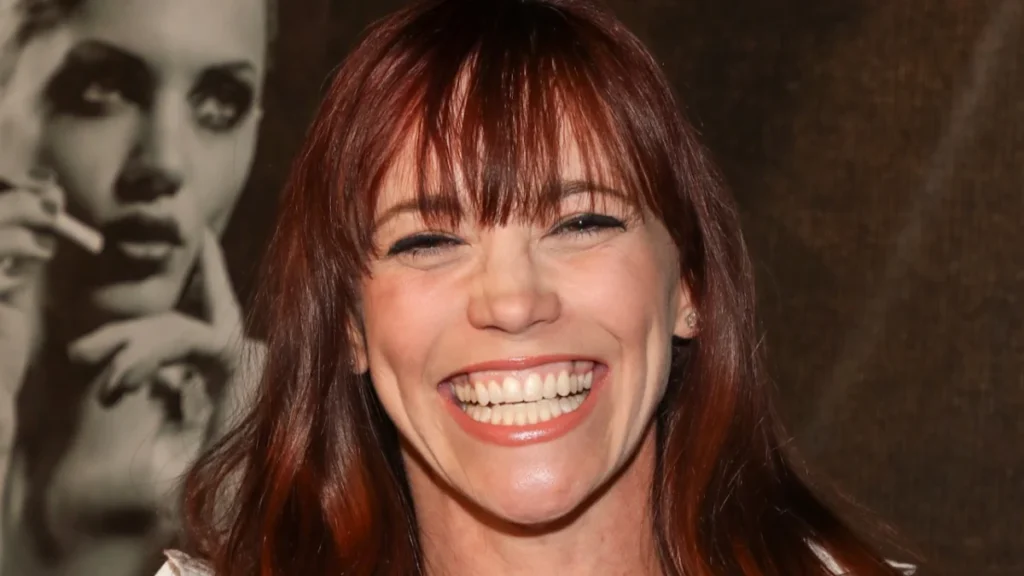

Former Pussycat Dolls member Jessica Sutta has publicly asserted that her exclusion from the group’s recently announced "PCD Forever Tour" stems directly from her political alignment, specifically her support for Robert F. Kennedy Jr. and a stance she identifies with the "MAGA" movement. The claim, made during an appearance on The Maverick Approach podcast, has injected a significant political dimension into the highly anticipated reunion of the iconic girl group, further complicating an already tumultuous history marked by previous internal disputes and cancelled plans.
The "PCD Forever Tour" was officially unveiled on March 12, 2026, alongside the release of a new track titled "Club Song." The announced lineup for this iteration of the Pussycat Dolls features core members Nicole Scherzinger, Kimberly Wyatt, and Ashley Roberts. Conspicuously absent from the roster are Sutta and fellow former member Carmit Bachar, both of whom have expressed being blindsided by the tour’s announcement.
Sutta detailed her experience on the podcast, stating, "None of us were called. None of us were told about anything. In fact, we were blindsided." She further elaborated that while Nicole Scherzinger did contact her on the day the tour was publicly announced, Sutta indicated she had no intention of returning the call. This sentiment highlights a significant breakdown in communication and trust among the former bandmates, a recurring theme throughout the group’s history.
When pressed for the reasons behind her exclusion, Sutta unequivocally pointed to her political views. "I was a liability. I align with Bobby Kennedy, which is aligning with MAGA," she declared. She offered a nuanced clarification, adding, "Do I love what Trump is doing? Absolutely not. I do not believe in war." Despite this nuance, Sutta embraced the label, stating, "People are screaming at me, ‘You’re MAGA, you’re MAGA.’ Yeah, I am. I triple down on it because I’m so sick of people telling me who I should be. These are psyops, y’all." Her statements suggest a defiance against perceived pressures to conform to a particular political ideology within the entertainment industry.
Carmit Bachar, another founding member of the Pussycat Dolls, echoed Sutta’s sentiment regarding being left out of the loop. Bachar took to Instagram to share her own disappointment, writing, "I was not contacted regarding the group’s decision to move forward, and I learned of these plans at the same time as the public. While this is disappointing on a personal level, I remain proud of the role I played in helping shape what The Pussycat Dolls became." Her statement, while less politically charged than Sutta’s, reinforces the narrative of a reunion planned without the involvement or prior notification of all original members, suggesting a unilateral decision-making process by the remaining trio or management.
The "PCD Forever Tour" is scheduled to commence on June 5, 2026, in Palm Desert, California. The extensive trek will include stops in cities such as Syracuse, Charlotte, and Tampa, before concluding on August 1, 2026, in Dallas. Special guests Lil Kim and Mya are slated to join the tour, adding further star power to the anticipated performances. Tickets for the tour are currently available through various vendors.
A Storied History of Formation, Success, and Internal Strife
To fully understand the current dynamics, it is crucial to revisit the Pussycat Dolls’ complex trajectory. The group originally began as a burlesque troupe in 1995, founded by choreographer Robin Antin. It gained significant traction in the Los Angeles club scene before evolving into a mainstream musical act in the early 2000s, signed to Interscope Records. The original recording lineup that achieved global fame included Nicole Scherzinger, Carmit Bachar, Ashley Roberts, Jessica Sutta, Melody Thornton, and Kimberly Wyatt.
Their debut album, PCD, released in 2005, was a commercial juggernaut, selling over 7 million copies worldwide. It spawned hit singles like "Don’t Cha," "Stickwitu," and "Buttons," propelling the group to international stardom. Their provocative image, energetic dance routines, and catchy pop anthems resonated with a massive audience. A second album, Doll Domination, followed in 2008, featuring hits such as "When I Grow Up" and "I Hate This Part." Despite their immense success, tensions within the group, particularly regarding the perceived focus on lead vocalist Nicole Scherzinger, were well-documented and eventually led to the group’s unofficial disbandment in 2010 as members pursued solo careers.
The Ill-Fated 2019-2020 Reunion Attempt
The current "PCD Forever Tour" is not the first attempt at a reunion. In late 2019, the group, including Scherzinger, Wyatt, Roberts, Sutta, and Bachar (Melody Thornton opted out), announced a highly anticipated comeback tour and released a new single, "React." The excitement was palpable, with a string of dates scheduled across the UK, Australia, and New Zealand. However, this reunion was ultimately derailed. Initially postponed due to the global COVID-19 pandemic, the tour was eventually cancelled outright in early 2022.
The cancellation was not merely a consequence of the pandemic. It was exacerbated by a bitter legal dispute between Robin Antin, the group’s founder, and Nicole Scherzinger. Antin had filed a lawsuit against Scherzinger, alleging breach of contract for an agreement related to the reunion tour and a new Pussycat Dolls entity. Scherzinger’s legal team countered, arguing that Antin’s claims were false and that she was attempting to extort Scherzinger into paying more money for a project that had become financially unviable. This public legal battle effectively fractured the group once again, leading to the cancellation of the remaining tour dates and casting a long shadow over any future reunion prospects. The financial and emotional toll of this aborted comeback likely contributed to the current selective approach to the "PCD Forever Tour."
The Interplay of Politics and Professionalism in Entertainment
Jessica Sutta’s assertion that her political views are the reason for her exclusion brings into sharp focus the increasingly complex relationship between artists’ personal beliefs and their professional careers, particularly in the entertainment industry. Hollywood and the broader music landscape have historically been perceived as predominantly liberal-leaning environments. In recent years, public alignment with conservative or "MAGA" ideologies has, in some instances, led to professional repercussions, ranging from public backlash to job losses or, as Sutta alleges, exclusion from projects.
Sutta’s specific alignment with Robert F. Kennedy Jr. adds a layer of nuance. While Kennedy is running as an independent, his campaign has attracted support from various political spectrums, including some who identify with the MAGA movement, primarily due to shared anti-establishment sentiments or skepticism towards mainstream institutions. Sutta’s clarification that she doesn’t "love what Trump is doing" regarding war suggests a more individualistic interpretation of her political stance, rather than an blanket endorsement of all aspects of the former President’s platform. However, in a highly polarized political climate, such distinctions can often be overlooked or simplified by the public and, potentially, by professional entities.
The entertainment industry often grapples with balancing artistic freedom and expression with brand image and commercial viability. Companies and public figures frequently weigh the potential for alienating segments of their audience or business partners when artists express controversial political views. Sutta’s claim of being a "liability" directly reflects this perceived risk, indicating that her political identity might be seen as a potential detriment to the group’s public reception or commercial success. This incident serves as a prominent example of the ongoing debate about "cancel culture" and the professional consequences artists face when their personal politics diverge from what is deemed acceptable or marketable by industry standards or a significant portion of their fanbase.
Official Responses and Broader Implications
As of the latest reports, there has been no official statement from Nicole Scherzinger, Kimberly Wyatt, Ashley Roberts, or representatives of the "PCD Forever Tour" in response to Jessica Sutta’s specific allegations of political discrimination. The silence from the active members or their management can be interpreted in several ways: a strategic decision to avoid dignifying the claims with a response, an unwillingness to engage in public political discourse, or simply a focus on promoting the upcoming tour.
The lack of communication with Sutta and Bachar prior to the tour’s announcement, as both have stated, suggests a deliberate decision to move forward with a reduced lineup. While the official reasons for their exclusion remain undisclosed by the tour organizers, the pattern of internal conflict within the Pussycat Dolls suggests that personal dynamics, creative differences, or even past legal issues from the 2019-2020 reunion could also be contributing factors, in addition to or instead of political alignment.
The implications for the "PCD Forever Tour" itself could be multifaceted. While the Pussycat Dolls retain a significant and loyal fanbase, public controversies surrounding member exclusions and political statements have the potential to overshadow the music and performances. Some fans may express solidarity with Sutta and Bachar, potentially impacting ticket sales or the overall reception of the tour. Conversely, other fans may prioritize the opportunity to see the remaining members perform and disregard the internal disputes.
This situation also highlights the enduring challenges faced by reunited musical groups, especially those with a history of internal friction. The delicate balance of ego, creative control, financial interests, and personal relationships often makes long-term cohesion difficult. Jessica Sutta’s powerful statement underscores how deeply personal and political identities can intertwine with professional opportunities, shaping not only individual careers but also the very composition and public image of established musical acts. The "PCD Forever Tour" is now set to unfold under the shadow of these serious allegations, prompting further discussion about artistic collaboration, political expression, and the evolving landscape of the entertainment industry.