
Coachella: A Global Cultural Phenomenon and Its Evolving Demographics
The Coachella Valley Music and Arts Festival, commonly known simply as Coachella, stands as one of the most prominent and financially successful music festivals globally. Established in 1999 by Paul Tollett and Rick Van Santen, and organized by Goldenvoice (a subsidiary of AEG Presents), the festival has grown from a relatively niche event to an international cultural touchstone. Held annually over two consecutive weekends in April at the Empire Polo Club in Indio, California, Coachella is renowned for its diverse musical lineup spanning various genres, large-scale art installations, and a distinct bohemian-chic aesthetic that draws celebrities, influencers, and music enthusiasts from around the world.
Historically, Coachella primarily catered to an adult demographic, with its initial attendees largely comprising young adults and college students. The festival environment, characterized by long hours under the desert sun, vast crowds, loud music, and the pervasive presence of alcohol and, at times, illicit substances, has traditionally been perceived as an adult-oriented experience. Goldenvoice, the festival organizer, maintains clear policies regarding age restrictions, typically stating that attendees must be 18 or older to enter without a parent or legal guardian, and 21 or older to consume alcohol. Minors under 18 are generally permitted only if accompanied by an adult, and children aged 5 and under are admitted free with a ticketed adult. Despite these guidelines, the festival’s atmosphere can be overwhelming for young attendees, raising questions about supervision, safety, and exposure to mature themes.
Over the past decade, the festival’s demographic has subtly broadened, partly due to its immense popularity and the rise of social media, which showcases the event as a quintessential experience. This has led to an increasing number of families and younger individuals attending, often under the direct supervision of parents. However, the presence of very young children or pre-teens in the general admission areas, particularly during peak hours or late into the evening, continues to be a subject of debate among festival-goers and child welfare advocates alike.
Navigating Fame: North West’s Public Persona and Parental Choices
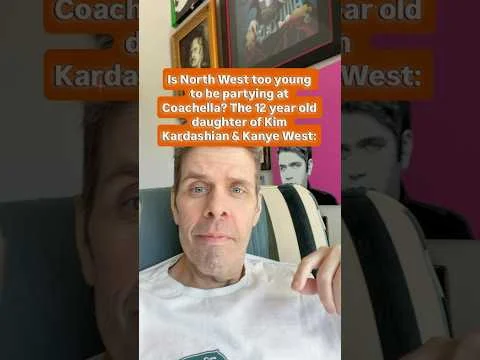
North West’s attendance at Coachella is not an isolated incident but rather fits into a broader pattern of celebrity children being immersed in high-profile public events from a young age. Born on June 15, 2013, North has been in the public eye since birth, a direct consequence of her parents’ global celebrity status. Her childhood has unfolded largely in front of cameras, from appearances on her family’s reality television show, "Keeping Up With The Kardashians" and its successor "The Kardashians," to attending fashion shows, movie premieres, and various public engagements. This constant visibility places unique pressures and considerations on her parents, Kim Kardashian and Kanye West, who must balance their children’s privacy and normal development with the demands of their own public lives.
Kim Kardashian, in particular, has often spoken about her efforts to provide a sense of normalcy for her children despite their extraordinary circumstances. She frequently shares glimpses of family life on social media, showcasing typical childhood activities alongside the more glamorous aspects of their lives. Kanye West, while often more outspoken about the challenges of raising children in the media spotlight, has also embraced opportunities for his children to engage with his creative and cultural pursuits, including music and fashion.
The decision to bring a 12-year-old to an event like Coachella highlights the complex choices celebrity parents face. On one hand, it can be viewed as an opportunity for North to experience significant cultural events, foster a love for music and art, and potentially bond with her parents in a unique setting. On the other hand, it reignites discussions about the potential for sensory overload, the exposure to adult behaviors, and the heightened security risks associated with a minor of such high public profile in a massive crowd.
Security Protocols and Child Safeguarding in High-Density Environments
The report specifically mentioned North West being accompanied by a handler and security, a detail that underscores the proactive measures taken by the Kardashian-West family to ensure her safety. For celebrity children, particularly those as recognizable as North West, attending public events necessitates extensive security protocols. These typically include:
- Dedicated Personal Security: Professional bodyguards trained to manage crowds, identify potential threats, and ensure safe passage through dense areas.
- Handlers/Chaperones: Individuals responsible for the child’s direct supervision, managing their schedule, needs, and ensuring they remain within designated safe zones.
- Logistical Planning: Pre-scouting routes, identifying safe havens, and coordinating with event security to facilitate discreet movement.
- Privacy Management: Efforts to shield the child from excessive paparazzi attention or intrusive fan interactions, though this can be particularly challenging at an event like Coachella.
While these measures are crucial for physical safety, the psychological and emotional safeguarding of a child in such an environment is equally important. Being "hounded by adults," as the original report suggested, can refer to the intense public scrutiny, photography, and attempts at interaction from other festival-goers, which can be disorienting and overwhelming for a pre-teen. The sheer scale and noise level of Coachella, with tens of thousands of attendees and multiple stages blaring music simultaneously, can also be a sensory challenge for anyone, let alone a 12-year-old.
Expert Perspectives on Child Development and Public Exposure
The presence of minors at events like Coachella often draws commentary from child development specialists and child welfare advocates. Their perspectives generally focus on several key areas:
- Age Appropriateness: Experts often advise caution regarding exposing children to environments primarily designed for adults. While older teenagers might be more equipped to navigate the complexities of a music festival, a 12-year-old is still in a crucial stage of development where they are highly impressionable and susceptible to environmental influences. The themes, lyrics, and general atmosphere at some musical performances might be mature.
- Sensory Overload: Large crowds, loud music, bright lights, and extended hours can lead to sensory overload, causing stress, anxiety, or fatigue in children. This can be exacerbated by the physical demands of navigating a large festival site.
- Safety and Supervision: Even with handlers and security, the risk of separation, injury in crowds, or exposure to inappropriate situations cannot be entirely eliminated. The quality and consistency of supervision are paramount.
- Impact of Public Scrutiny: For celebrity children, the added layer of constant public attention can be detrimental. Psychologists highlight the importance of allowing children to develop a sense of self away from intense public scrutiny, fostering a healthy sense of identity without the pressure of a public persona. The experience of being "hounded by adults" can be confusing or even frightening for a child, potentially impacting their sense of privacy and personal space.
- Normalization of Adult Environments: Repeated exposure to adult-centric environments at a young age can potentially blur the lines between childhood and adulthood, possibly leading to children feeling pressure to mature prematurely or engage in behaviors beyond their developmental stage.
Child welfare organizations generally advocate for environments that prioritize a child’s physical, emotional, and psychological well-being. While they do not typically condemn all public appearances by children, they often emphasize the need for careful consideration of the context, duration, and potential impacts on the child.
The Broader Discussion on Celebrity Parenting and Societal Norms
North West’s attendance at Coachella serves as a microcosm for a larger societal debate about celebrity parenting and the evolving norms surrounding childhood in the digital age. Celebrity parents operate under an unparalleled level of scrutiny, with their choices regarding their children’s upbringing often becoming subjects of public debate and media commentary. This scrutiny is amplified by social media, where every decision can be instantly analyzed and judged by millions.
The "Kardashian-West" brand, in particular, is intrinsically linked to public visibility and the curated sharing of personal life. This family has, more than perhaps any other, blurred the lines between private life and public entertainment. For North, being a part of this family means her childhood experiences are inherently public. This raises questions about:
- The Right to Childhood: Do children of celebrities have a "right to a normal childhood," and if so, how is that defined in the context of extreme fame?
- Parental Autonomy vs. Public Opinion: To what extent should public opinion or expert advice dictate the parenting choices of celebrities, particularly when those choices involve public appearances?
- The Commercialization of Childhood: Is there a risk that celebrity children become extensions of their parents’ brands, with their public appearances serving commercial or promotional purposes?
This dialogue extends beyond celebrities to reflect broader societal shifts. The rise of "kidfluencers" and child content creators on platforms like YouTube and TikTok indicates a wider trend of children being integrated into public-facing roles, often with commercial implications. The debate around North West at Coachella therefore taps into anxieties about the commercialization of childhood, the impact of digital media on youth, and the challenges of protecting children in an increasingly public world.
Implications for Festival Organizers and Attendees
The presence of high-profile minors like North West at festivals like Coachella also carries implications for event organizers and other attendees. For Goldenvoice, ensuring the safety and positive experience of all attendees, including minors, is paramount. This includes:
- Reinforcing Age Policies: Clearly communicating and enforcing rules regarding minors, chaperones, and prohibited items.
- Enhanced Security: Potentially increasing security presence in family-friendly areas or implementing specific protocols for VIP minors to minimize disruption and ensure safety.
- Public Perception: Managing the festival’s image as an inclusive yet responsible event. The perception of it being a safe environment for all ages, while maintaining its core appeal, is crucial.
For other attendees, the presence of young children can be a mixed bag. Some may appreciate the family-friendly atmosphere, while others might feel it detracts from the adult-oriented experience they expect from a major music festival. The incident underscores the ongoing challenge for large events to cater to diverse audiences while upholding their fundamental character and safety standards.
A Continuing Dialogue
North West’s attendance at Coachella, as reported on April 12, 2026, serves as a focal point for a multi-layered discussion. It brings to the forefront the unique challenges and responsibilities of celebrity parenting, the evolving nature of major cultural events, and the perennial concerns surrounding child welfare and development in an increasingly public and stimulating world. While the specific details of her experience remain largely private, the public conversation it has sparked is indicative of a broader societal grappling with how to balance individual freedom, parental autonomy, and the protection of children in an age of unprecedented visibility and access. This dialogue is likely to continue as more celebrity children grow up in the public eye, pushing the boundaries of what is considered appropriate and safe.