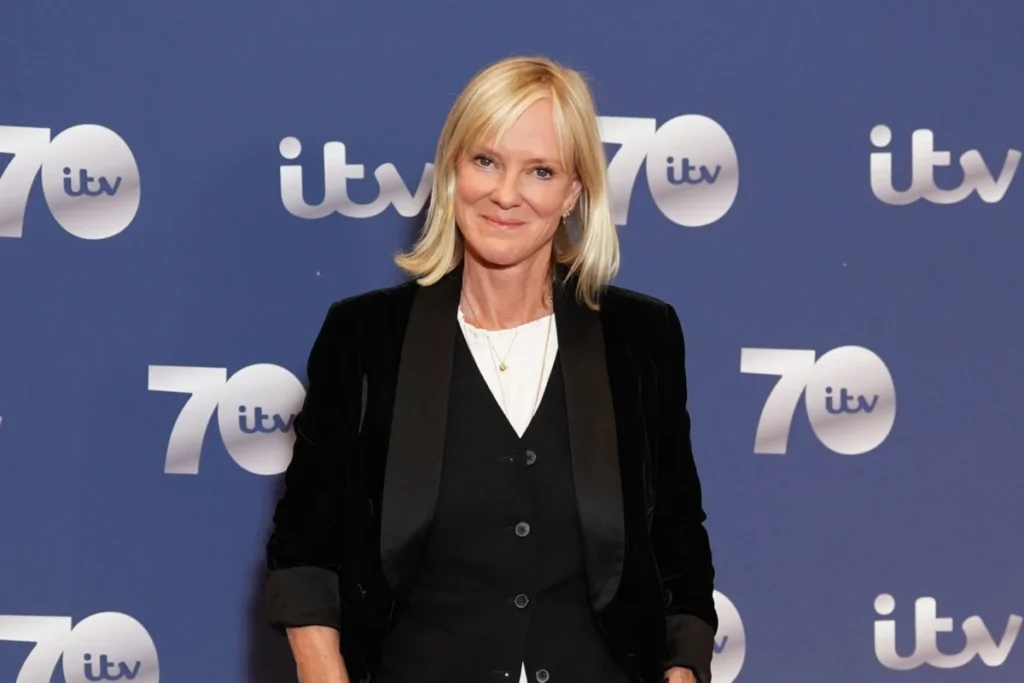

Veteran actress Hermione Norris, renowned for her compelling performances in dramas such as Cold Feet and Spooks, has openly shared her personal battle with Long Covid, a condition that left her questioning her physical capabilities, particularly in the run-up to a demanding new BBC series. At 59, Norris, whose career has spanned decades, described the physiological changes wrought by the illness as a "shock," fundamentally altering her approach to health and well-being. While now significantly recovered, her experience highlights the enduring challenges faced by millions worldwide grappling with post-viral syndromes and the transformative journey of aging.
Norris’s revelations come as she prepares to feature in the BBC’s Pilgrimage: The Road To Holy Island, a series that sees seven celebrities embark on a spiritual trek through the rugged landscapes of north-east England, culminating at the historic and sacred site of Lindisfarne. The demanding journey, which involves extensive walking and carrying personal gear, naturally raised concerns for Norris given her recent health history. Speaking to Prima magazine, she confessed, "I’m not great at extreme discomfort. I had long Covid a few years ago, so I was worried about my physical fitness and the demands of walking so much every day, plus carrying the backpack." Her apprehension underscores a common sentiment among Long Covid sufferers, where even routine physical activity can become a daunting prospect, let alone a multi-day pilgrimage.
The Pilgrimage and Personal Resilience
The BBC’s Pilgrimage series has become a popular fixture, offering a unique blend of spiritual exploration, physical challenge, and celebrity insight. Previous iterations have seen participants traverse ancient routes like the Camino de Santiago. This latest instalment, focusing on the journey to Lindisfarne, or Holy Island, draws on centuries of British spiritual tradition. Lindisfarne, accessible only at low tide via a causeway, is steeped in history, serving as a cradle of early English Christianity and home to figures like St. Cuthbert. The physical demands of reaching such a remote and historically significant location are considerable, requiring stamina, mental fortitude, and a willingness to embrace discomfort.
Norris was joined on this reflective expedition by a diverse group of public figures, including dancer and choreographer Ashley Banjo, actress Patsy Kensit, and reality TV star Tasha Ghouri. Each participant brings their own motivations, beliefs, and personal challenges to the pilgrimage, making for a compelling watch. For Norris, the journey was not just a spiritual quest but a tangible test of her recovery. "But we did a couple of massive walks and I was fine. I was pleasantly surprised," she reported, indicating a significant milestone in her health journey and a testament to her resilience. This personal victory against the backdrop of a demanding physical challenge offers hope and inspiration to others navigating their own health struggles.
Living with Long Covid: A Shifting Perspective on Health

Norris’s candid account sheds light on the often-invisible struggles associated with Long Covid. Her description of feeling "different, physiologically" despite being "so much better" resonates with many who experience persistent symptoms long after the initial infection has cleared. The condition, officially defined by the NHS as symptoms lasting longer than 12 weeks, encompasses a wide array of debilitating issues. Common symptoms reported by patients and medical professionals include extreme fatigue, often described as profound exhaustion disproportionate to activity levels; shortness of breath, even after minimal exertion; persistent joint and muscle pain; and "brain fog," characterized by difficulties with memory, concentration, and cognitive function. Other symptoms can range from heart palpitations and chest pain to digestive issues and altered smell or taste.
The impact of Long Covid extends far beyond the individual, posing significant public health challenges. Data from the Office for National Statistics (ONS) in the UK has consistently shown millions of people reporting Long Covid symptoms, with a substantial proportion experiencing significant impairment to their daily lives. For example, as of early 2023, ONS data indicated that approximately 2.0 million people in the UK were experiencing self-reported Long Covid, with fatigue being the most common symptom. A significant proportion of these individuals reported that their symptoms adversely affected their day-to-day activities. The condition has led to increased demand on healthcare services, a rise in long-term disability claims, and a noticeable impact on workforce participation.
Inferred official responses to the Long Covid crisis have included increased funding for research into its causes and potential treatments, the establishment of dedicated Long Covid clinics within the NHS, and public awareness campaigns to encourage those affected to seek help. However, the exact mechanisms of Long Covid remain a subject of intensive scientific study, and effective, universally applicable treatments are still evolving. This lack of definitive solutions can be frustrating for sufferers like Norris, who must navigate their recovery through a combination of personal effort, medical guidance, and adaptive lifestyle changes.
For Norris, her experience with Long Covid has profoundly reshaped her priorities regarding health. "Having been ill [with long Covid], my focus is on being well and healthy," she stated. This shift manifests in a practical, functional approach to physical activity: "It’s about exercising, not to make me look good but to keep me strong." Her current regimen, which includes extensive stretching and a commitment to start lifting weights, reflects a holistic understanding of health maintenance. Furthermore, her use of an infrared sauna for an autoimmune condition and stiff joints highlights a proactive strategy to manage chronic physical discomfort, suggesting a broader engagement with wellness practices that support physiological resilience.
Navigating Menopause in the Public Eye
Beyond her recovery from Long Covid, Hermione Norris also reflected on another significant life stage: menopause. Her comments come at a time when public discourse around menopause has become increasingly open and widespread, moving away from previous generations’ reticence. "Menopause talk is everywhere now. But the alchemy that happens is unquestionable. The masks drop," Norris observed. This statement captures the essence of a profound personal transformation, often accompanied by both physical and emotional challenges, but also by a newfound sense of clarity and authenticity.
Menopause, typically occurring in women between the ages of 45 and 55, marks the end of menstrual cycles and fertility. It is a natural biological process, but the symptoms can be wide-ranging and significantly impact quality of life. These symptoms include hot flashes, night sweats, sleep disturbances, mood swings, anxiety, reduced libido, vaginal dryness, and cognitive changes often described as "brain fog." For many years, these experiences were often dismissed or suffered in silence, leading to a lack of support and understanding for women in this crucial phase of life.

However, recent years have seen a powerful movement towards destigmatization, largely propelled by prominent figures and media campaigns. Celebrities like Davina McCall have been instrumental in advocating for greater awareness, better medical support, and improved workplace policies surrounding menopause. This increased openness has led to more women seeking medical advice, greater availability of hormone replacement therapy (HRT) and other treatments, and a growing recognition of menopause as a legitimate health and societal issue. Inferred official responses include government inquiries into menopause support, updated NHS guidelines, and a push for employers to implement menopause-friendly policies.
Norris’s reflection on menopause is deeply personal yet broadly relatable. She articulates a sense of profound change, feeling like "a different person from who I was in my 40s – mentally and physically – in a good way." This sentiment underscores the idea that menopause, while challenging, can also be a period of significant personal growth and liberation. The "dropping of masks" suggests a shedding of societal expectations or self-imposed pressures, leading to a more authentic self. This newfound authenticity often translates into a revised set of priorities, as Norris herself noted.
A Refined Perspective on Life and Joy
The confluence of her Long Covid experience and the journey through menopause has evidently led Hermione Norris to a more grounded and appreciative outlook on life. Her statement, "Now I enjoy simple things. My morning coffee, a walk, my doggies, beautiful skies. The joy is in the day-to-day of living, not the big things," is a powerful testament to this shift. This focus on quotidian pleasures over grand achievements or external validation is a common theme among individuals who have faced significant health challenges or undergone profound life transitions.
This perspective aligns with psychological theories that suggest an increasing focus on well-being and meaning in later life. As individuals mature, they often develop a deeper appreciation for intrinsic joys, stronger social connections, and a greater sense of contentment with their present circumstances. For a successful actress like Norris, whose career has undoubtedly involved its share of "big things" and public scrutiny, this embrace of simplicity signifies a profound internal reorientation. It speaks to a wisdom gained through experience, where health, peace, and genuine connection become paramount.
The Impact of Celebrity Advocacy
Hermione Norris’s decision to share her experiences with Long Covid and menopause holds significant weight. Celebrity voices play a crucial role in destigmatizing health conditions and fostering public awareness. When a well-known figure like Norris speaks openly about her struggles, it normalizes these experiences for countless others who may be suffering in silence. It provides validation, encourages individuals to seek help, and can prompt broader conversations about public health issues. Her candidness contributes to a growing body of celebrity advocacy that is slowly but surely chipping away at the taboos surrounding chronic illness and women’s health.

Her participation in Pilgrimage: The Road To Holy Island further amplifies this message. By physically demonstrating her recovery and resilience on a public platform, she offers a tangible example of overcoming adversity. The act of pilgrimage itself, often seen as a journey of self-discovery and spiritual healing, becomes intertwined with her personal health narrative, lending an additional layer of meaning to her participation.
Conclusion
Hermione Norris’s journey, as revealed in Prima magazine and showcased in the upcoming BBC series, is a compelling narrative of resilience, adaptation, and evolving priorities. Her candid accounts of battling Long Covid and navigating menopause offer valuable insights into personal health challenges that affect millions globally. Her experience with Long Covid underscores the ongoing need for research, support, and public understanding of this complex condition, while her perspective on menopause contributes to the vital movement towards destigmatization and open dialogue around women’s health.
Through her willingness to share her vulnerabilities and triumphs, Norris not only inspires but also educates. Her shift towards valuing functional health, embracing simple joys, and finding authenticity in later life provides a powerful example of how challenges can lead to profound personal growth. As Pilgrimage: The Road To Holy Island airs and the May 2026 issue of Prima magazine becomes widely available, Norris’s story will undoubtedly resonate with many, fostering greater empathy and encouraging a more holistic approach to health and well-being in an ever-changing world.