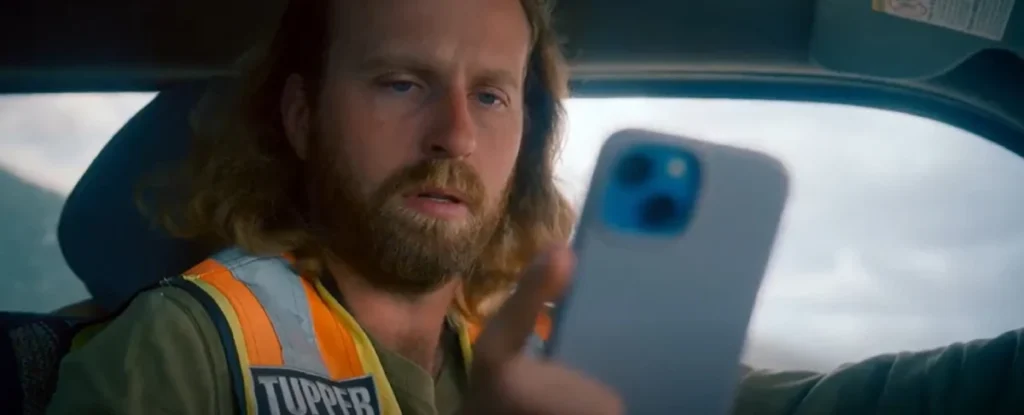

The unforgiving Yukon landscape is once again the stage for intense gold mining operations, as the latest episode of Discovery Channel’s Gold Rush highlights the escalating pressures faced by its seasoned prospectors. Rick Ness, Parker Schnabel, and Kevin Beets are all battling against the clock, dwindling resources, and a series of critical equipment failures in their desperate push to meet ambitious season targets. With the season winding down, the stakes have never been higher, as each ounce of gold mined directly translates into financial survival and the potential for future operations.
The Season’s Crucible: A Recap of Mounting Pressures
This season has been particularly grueling for Rick Ness. Facing immense financial strain, his operation was even put up for sale, with rival miners Parker Schnabel and Tony Beets reportedly making offers to acquire his assets. Despite these dire circumstances, Ness has remained defiant, pouring his remaining hope into the Vegas Valley operation in the final weeks. Meanwhile, Tony Beets’ son, Kevin, is experiencing the sharp end of leadership in his second year as mine boss. He, too, finds himself overwhelmed by mounting bills and is banking on a significant final gold haul to salvage his 2,000-ounce objective. The ever-ambitious Parker Schnabel, fueled by soaring gold prices, is aiming for an even more formidable 10,000-ounce target, intensifying the pressure on his entire crew. The episode’s events, airing on April 10th, provided a stark snapshot of these high-stakes battles.
Rick Ness: A Million-Dollar Gamble on the Brink
Rick Ness’s operation at Duncan Creek has become a true do-or-die scenario. Seven weeks prior, he initiated the "Valhalla Cut," a high-risk, high-reward venture that saw an investment of one million dollars. The initial phase involved removing 150 feet of overburden, only to hit a dead end. Undeterred, Ness orchestrated a complex maneuver to create a passage for heavy equipment to access a potentially richer, 200-foot-deep gold-bearing stratum. The accumulated paydirt has finally begun its journey to the Monster Red processing plant.
After an agonizing two-month drought in gold yields, the team was finally poised to make significant progress. However, the universe seemed intent on testing Ness’s resilience. Just as the operation gained momentum, a catastrophic flat tire on one of their key trucks halted progress. While a spare was available, and operator Kai Shallcross was able to switch to another truck, the setbacks didn’t end there. Another truck suffered a broken drive shaft, forcing a complete shutdown of the processing plant for critical repairs. This downtime, lasting only two days of operation, represented a substantial loss in potential revenue.

After an eight-week hiatus from sluicing, the team reconvened for a crucial weigh-in. The results, while a relief, underscored the precariousness of their situation. One container yielded 100 ounces of gold, and another held 105.4 ounces, totaling 205.4 ounces. At current market rates, this translates to a value of just over $730,000. While a substantial sum, it highlights the immense pressure Ness is under as time rapidly evaporates. Despite the numerous obstacles, Ness expressed a sense of cautious optimism, believing they were finally on the right track. The financial implications of these setbacks are significant; each day of downtime can cost tens of thousands of dollars in lost production, further exacerbating Ness’s already strained financial situation. The investment in the Valhalla Cut, while potentially lucrative, carries an immense burden of risk, and the recent equipment failures have amplified those concerns.
Parker Schnabel: Pushing the Limits with Strategic Plant Management
Parker Schnabel, having recently surpassed the $30 million gold production milestone, was determined to maintain his impressive momentum. His strategy for the week was straightforward: keep all four of his wash plants operating at peak efficiency. The 31-year-old prospector placed considerable pressure on his foreman, Tyson Lee, overseeing operations at the Golden Mile with the GG and Big Red plants, while also managing the Bridge Cut with the Bob plant.
However, the Bridge Cut’s Bob plant encountered significant mechanical issues. Mechanics discovered structural cracks in the shaker deck, a critical component responsible for separating gold from overburden. Tyson informed Schnabel that the Bob plant required a new screen deck. In a move that underscored his commitment to maximizing production, Schnabel proposed a strategic swap: temporarily remove the Bob plant and replace it with Sluicifer, another of his wash plants. Despite the disruption, Schnabel insisted on having the Bob plant back in the pit by the end of the week, a testament to its importance in his overall gold-gathering strategy. This constant juggling of equipment and the need for rapid repairs highlight the complex logistical challenges inherent in large-scale gold mining. Each plant represents a significant capital investment, and their operational status directly impacts Schnabel’s ability to achieve his ambitious targets.
Tyson Lee: Navigating Personal and Professional Crises
Foreman Tyson Lee found himself in a precarious position, managing Schnabel’s diverse mining operations. He viewed the constant shuffling of wash plants, particularly during the colder months, as a risky endeavor. This week alone, he was tasked with orchestrating four equipment moves, all with the goal of minimizing downtime. Adding to these operational headaches was the logistical nightmare of sourcing a replacement screen deck for the Bob plant. The necessary part was located on Vancouver Island, requiring an arduous 1,800-mile journey to Dominion Creek.
The weight of these professional challenges was compounded by a deeply personal crisis. Tyson became emotional as he contemplated reaching out to his "secret weapon" during tough times, Mike Tupper. Tupper, a former member of Tyson’s crew, had recently been diagnosed with leukemia and was undergoing chemotherapy. The bond between Tyson and Mike, forged since childhood, runs deep, and the news of his friend’s illness has left Tyson heartbroken. He made a heartfelt call to check on Mike, who, despite his own struggles, provided Tyson with crucial motivation to persevere. Furthermore, Mike leveraged his network to assist in expediting the delivery of the screen deck, a testament to their enduring friendship.

With the replacement screen deck finally installed, the crew meticulously weighed the week’s bounty. The Bob plant, after its repairs, ran for 37 hours and yielded 35.60 ounces. Sluicifer, in its temporary role, contributed 32.55 ounces over 35 hours. The Big Red plant at the Golden Mile added a significant 143.15 ounces, while Gigi produced an impressive 187.05 ounces. Roxanne, operating at Ken and Stuart’s site, brought in another substantial 150.20 ounces. This combined effort from five active plants resulted in a remarkable total of 548.55 ounces for the week, valued at nearly $2 million. This impressive haul demonstrates the crew’s resilience and their ability to overcome adversity, even when faced with personal heartbreak and demanding logistical hurdles. The financial impact of this strong week is vital for Schnabel’s overall season goals.
Kevin Beets: Financial Strain and a Father’s Shadow
For Kevin Beets, the weight of his responsibilities as mine boss is proving to be a heavy burden. His partner, Faith Teng, delivered the sobering news that their financial records revealed they were significantly behind their ambitious goal and deeply entrenched in debt. Teng cautiously broached the subject of Kevin seeking financial assistance from his father, Tony Beets. However, Kevin vehemently rejected the idea, stating, "We just have to work our asses off," unwilling to rely on his father’s support.
With less than a month remaining in the season, the team is still approximately a thousand ounces short of their 2,000-ounce target. Their efforts in the "Sphynx Cut" over the past ten weeks had, thus far, failed to deliver the expected gold yields, adding to the mounting pressure.
To bolster their efforts and ensure continuous operation, Kevin called upon veteran loader operator Gary Masters. Masters, who had worked with the Beets family the previous season, brought fifteen years of invaluable experience to the operation. He had recently married, but, demonstrating his commitment, he agreed to cut his honeymoon short to join the crew. "I don’t mind," Masters stated, underscoring his dedication.
Further complicating matters, Kevin was summoned to address a critical issue with broken grizzly bars. These bars are essential for preventing oversized rocks from entering the wash plant, and their failure necessitated an immediate shutdown. The crossbeams supporting the grizzlies had become warped. The repair involved heating the steel bars and bending them back into their correct positions. Once aligned, the crew welded a support bracket to each end to secure them. This six-hour downtime incurred an estimated loss of $16,000 in production revenue.
Despite these setbacks, Kevin and Faith managed to weigh two weeks’ worth of accumulated gold, totaling 221.87 ounces, valued at approximately $798,000. While the ground has shown some improvement, their season total has now reached 1,215 ounces. This figure, while a step in the right direction, highlights the immense challenge of closing the remaining gap to their target before the season concludes. The financial implications of these delays and repairs are substantial, and the pressure to perform in the final weeks is immense for Kevin and his team.

Broader Impact and Implications
The struggles of Ness, Schnabel, and the younger Beets underscore the inherent volatility and high-risk nature of the gold mining industry. The reliance on aging, temperamental equipment, coupled with unpredictable geological conditions and extreme weather, creates a constant battle against the elements and mechanical failures. The financial stakes are enormous, with substantial investments in machinery, land leases, and labor.
For Rick Ness, the current season represents a critical juncture. His ability to overcome the financial hurdles and salvage his operation will determine the future of his mining endeavors. The reported interest from competitors like Schnabel and Beets signifies the perceived value of his assets, even amidst his current difficulties.
Parker Schnabel’s relentless pursuit of record-breaking gold yields, while impressive, highlights the immense pressure he places on himself and his crew. His strategic decisions, such as the rapid redeployment of wash plants, demonstrate a keen understanding of maximizing efficiency, but also carry inherent risks.
Kevin Beets’ experience serves as a poignant reminder of the challenges faced by next-generation miners. The pressure to prove oneself, coupled with the financial burden of operating a large-scale mine, is immense. His refusal to seek his father’s financial help speaks volumes about his ambition and determination, but also amplifies the urgency of his situation.
The continuous cycle of equipment breakdowns and repairs in Gold Rush is not merely dramatic fodder; it reflects the reality of operating heavy machinery in harsh, remote environments. The cost of downtime, both in terms of lost production and repair expenses, can significantly impact a miner’s bottom line. As the season draws to a close, the miners’ ability to adapt, innovate, and persevere through these adversities will ultimately determine their success or failure in the unforgiving pursuit of gold. The coming weeks promise to be a true test of their mettle, with the potential for dramatic shifts in fortune for all involved.
Gold Rush airs Fridays at 8/7c on the Discovery Channel.