
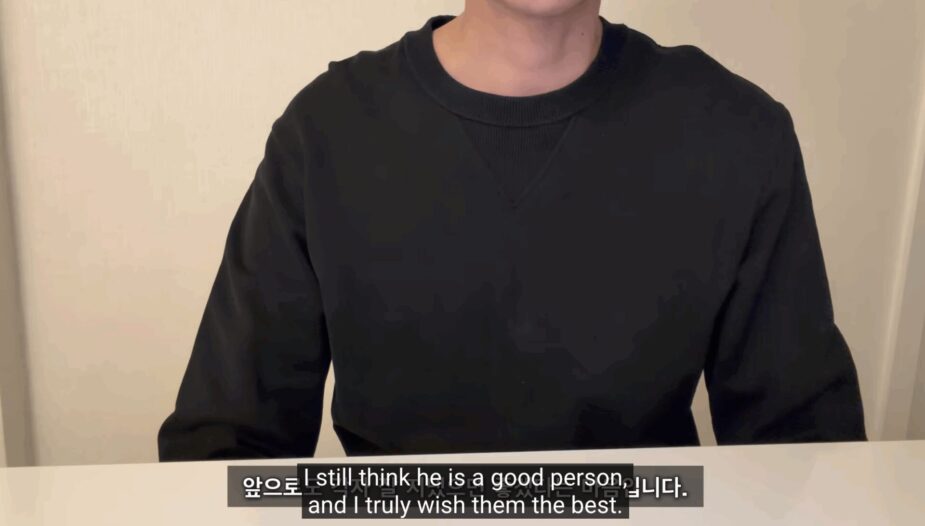
The video, titled "I need to tell you something," featured a notably different tone than the pair’s previous content. In the footage, Dongho is seen speaking to the camera, though he chose to frame the shot such that his head was not visible, a stylistic choice that some viewers interpreted as a sign of his current emotional state or a desire for privacy during a difficult moment. Throughout the address, Dongho remained composed but serious, detailing the mutual decision to part ways and outlining the future of their digital presence.
The Announcement and Terms of Separation
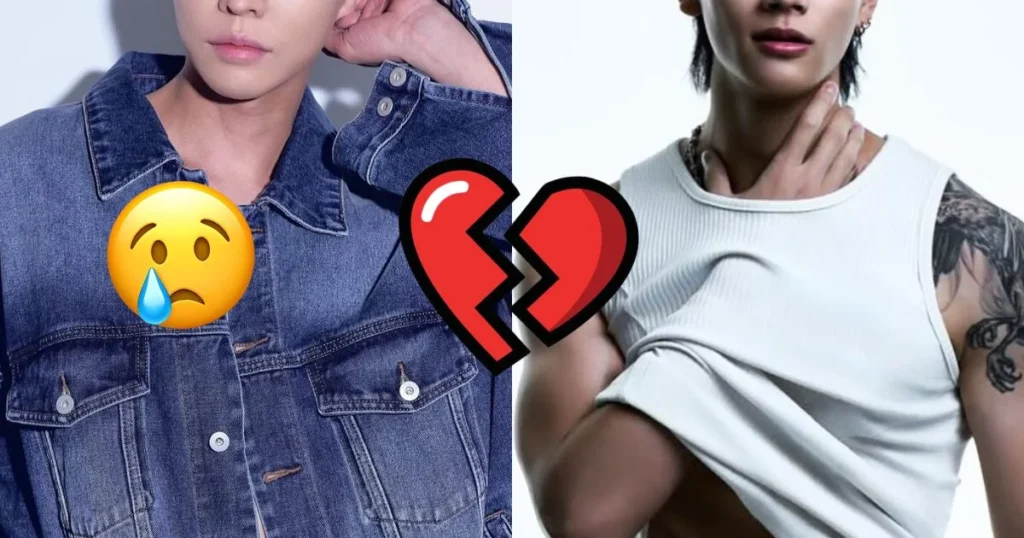
During the video, Dongho revealed that he and Zilong had decided to go their separate ways after a period of reflection. While he did not provide specific reasons for the dissolution of the relationship, he emphasized that the decision was mutual. He characterized their time together as brief but profoundly meaningful, expressing gratitude for the experiences they shared and the support they received from their subscribers.
A significant portion of the video was dedicated to maintaining a sense of decorum and mutual respect. Dongho spoke highly of Zilong, describing him as a "good person" and expressing a hope that they could remain on friendly terms moving forward. In a direct appeal to the channel’s audience, the former idol requested that viewers refrain from leaving "hurtful or rude comments" directed at either party. He noted that he is still in the process of emotionally managing the transition and asked for the public’s patience and empathy.
The digital footprint of the relationship is also set to change. The YouTube channel, which previously served as a hub for their couple-centric content, will be rebranded. Dongho informed his followers that the platform will now serve as his personal vlog, where he intends to document his individual life and future professional endeavors.
Chronology of the Relationship
The public history of Dongho and Zilong’s relationship was relatively short but highly visible. The couple first made their relationship public in December 2025. This reveal occurred via a shared Instagram account under the handle "Dong Ho Zi Long." The initial post featured a photo strip of the two men in a photo booth, including shots of them kissing, accompanied by the caption "coming soon."
This announcement was seen as a landmark moment for Dongho, as few former idols have been so candid about their same-sex relationships. Following the Instagram reveal, the pair launched a YouTube channel to document their lives. One of their most popular videos featured Zilong, a baker born in 2001, traveling to South Korea to formally confess his feelings to Dongho. The channel quickly became a space for documenting their dates, "mukbang" (eating broadcasts), and the nuances of their daily lives, attracting a dedicated following interested in their cross-cultural and high-profile relationship.
Professional Background: Yoo Dongho and Apeace
Yoo Dongho’s career in the spotlight began long before his foray into content creation. He debuted in 2010 as a member of the group Apeace, which was originally known as Double B 21. The group was notable in the K-pop industry for its massive scale, initially consisting of 21 members divided into three subunits: Lapis, Jade, and Onyx.

Apeace was managed by Golden Goose Entertainment (and later Universal Music Japan) and focused heavily on the Japanese market. They were famously known as the "tallest" idol group, with a minimum height requirement for members. The group performed regularly at their dedicated theater, K THEATER TOKYO in Ebisu, which allowed them to build a loyal fanbase through consistent live performances.
Dongho remained an active member of the group during its formative years. However, in 2014, he was part of a significant "graduation" wave where several original members departed the group to pursue individual paths or fulfill mandatory military service. While Apeace continued to promote with a rotating lineup for several years, the group eventually announced its official disbandment in 2021. Since leaving the group, Dongho has transitioned through various roles, eventually finding a niche as an influencer and digital creator.
Contextualizing LGBTQ+ Visibility in South Korean Media
The significance of Dongho’s relationship and subsequent breakup announcement cannot be understated when viewed through the lens of South Korean cultural norms. While the K-pop industry is known for "fan service" that often involves homoerotic subtext (commonly referred to as "skinship"), actual public declarations of same-sex relationships remain exceedingly rare.
The South Korean entertainment industry has historically been conservative regarding LGBTQ+ issues. Figures like Holland, the first openly gay K-pop idol to debut with a song about his identity, and Som Hye-vin, who came out as bisexual in 2019, have paved the way for more open discussions. However, idols—both active and former—often face significant scrutiny and potential backlash for being open about their sexuality.
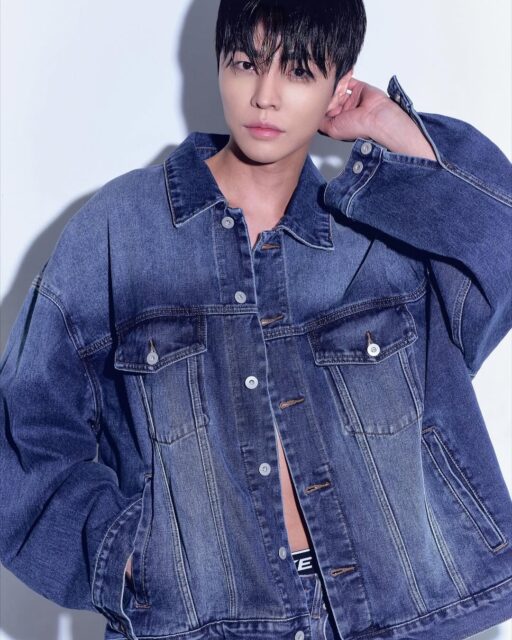
By documenting his relationship with Zilong so publicly, Dongho participated in a growing trend of "Couple Channels" on YouTube, which allow public figures to bypass traditional media gatekeepers and speak directly to their audience. The transparency of their relationship provided visibility for the LGBTQ+ community in a region where such representation is still evolving. The breakup, therefore, is not just a personal matter for the individuals involved but a moment of public transition for a community of followers who looked to them as symbols of progress.
Public Reaction and Social Media Sentiment
While the comment sections of the announcement video were monitored, the broader social media reaction has been a mix of support and sadness. Many fans expressed their appreciation for Dongho’s honesty, thanking him for sharing his journey even when it led to a difficult conclusion.
The request for "no hate" reflects a common issue in the K-pop and influencer spheres, where breakups often lead to fans taking sides or speculating wildly about the reasons for the split. By addressing this proactively, Dongho sought to mitigate the "toxic" commentary that often plagues public figures during personal crises.
Industry analysts suggest that the transition of the channel to a personal vlog is a strategic move to retain the audience built during the relationship while pivoting toward a sustainable solo brand. For former idols, maintaining a digital presence is often the primary way to sustain a career post-disbandment, and "vlogging" offers a lower-cost, high-engagement alternative to traditional broadcast entertainment.
Broader Implications and Future Outlook
The end of Dongho and Zilong’s relationship serves as a reminder of the pressures faced by public couples, particularly those who occupy a pioneering role in social representation. The "couple channel" format, while lucrative and engaging, places a unique strain on relationships by turning private moments into public content.
As Dongho prepares to transition his platform into a personal vlog, he joins a growing number of "second-generation" K-pop stars who are reinventing themselves as independent creators. This shift represents a broader democratization of the industry, where performers are no longer entirely dependent on large agencies to reach an audience.
For the LGBTQ+ community in South Korea and international K-pop fans, Dongho’s journey remains an important case study in living authentically in the public eye. Though the romantic partnership has concluded, the precedent set by his openness remains. As he moves forward with his personal channel, observers will likely look to him as an example of how former idols can navigate life, identity, and career transitions with resilience.
We wish both Yoo Dongho and Zilong the best in their respective futures as they navigate this transition and continue their individual paths.