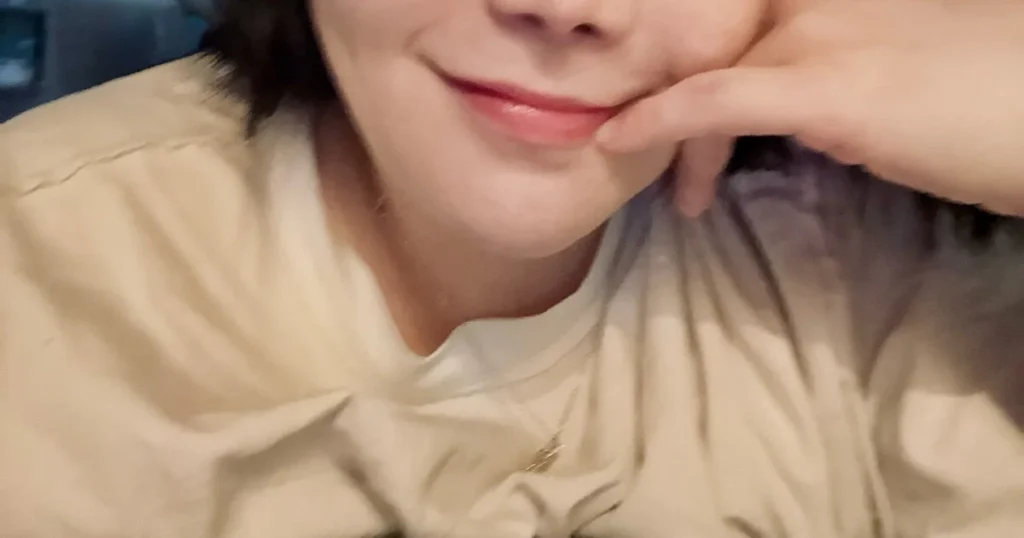

The individual known as Amy, a former television personality and broadcaster whose career has been overshadowed by a decade of legal complications and drug-related scandals, has recently re-emerged on social media with a series of statements that have ignited intense public debate. In a surprising turn of events, the television figure, whose real name is Lee Yoon-ji, has publicly denied being a habitual drug user, asserting instead that at least one instance of her past criminal conduct was the result of involuntary ingestion. This claim comes as she attempts to signal a "new chapter" in her life following her most recent release from prison, a development that has met with both skepticism and curiosity from the South Korean public and the international community following her career.
The Social Media Resurgence and the "Spiked Coffee" Allegation
On the first of the month, Amy took to her personal social media platform to share a reflective update regarding her current state of mind and her physical health. Her posts suggested a concerted effort toward personal rehabilitation and a desire to reintegrate into society. She noted that she has been focusing on her physical well-being, specifically mentioning that she has lost weight to return to her "old self," a move she described as part of a broader effort to regain her self-confidence.
"Now begins a new chapter of my life," she wrote, expressing a sentiment of resilience. "Now I try to smile and gather courage. I have picked myself up from when I was broken and am challenging everything. I’ve gone outside a few times, trying not to fear people and to be confident." She further emphasized her commitment to transparency by posting in English, stating, "I’m being honest to take back my life and trying to smile every day."
However, the tone of the interaction shifted when a social media user confronted her regarding her criminal record. The netizen’s comment—"Aren’t you a drug addict? Have you quit now? Stop with the plastic surgery too"—prompted a direct and controversial rebuttal from Amy. In her response, she categorically denied the label of "addict" and introduced a new narrative regarding her past offenses. She claimed that she had unknowingly consumed a substance after her beverage was tampered with. "I’m not a drug addict," she replied. "Someone spiked a coffee I unknowingly drank. I hope the day comes when I can tell the full story."
In addition to addressing the drug allegations, Amy addressed the criticism regarding her appearance, asserting that she has ceased all cosmetic procedures. "I stopped plastic surgery and dermatology a long time ago. I was caught for propofol once and haven’t been anywhere since. I know no one will believe me even if I say no, but the truth will be revealed soon," she stated, hinting at future disclosures that might challenge the established public record of her legal history.
A Decade of Legal Turmoil: A Chronological Overview
To understand the weight of Amy’s recent claims, it is necessary to examine the extensive timeline of her legal issues, which began over a decade ago and led to her eventual deportation from South Korea.
The 2012 Propofol Scandal
Amy’s legal troubles first surfaced in 2012 when she was arrested for the illegal use of propofol, a powerful sedative-hypnotic agent. While propofol is a legitimate medical anesthetic, its non-medical use is strictly regulated in South Korea under the Narcotics Control Act. Amy was sentenced to eight months in prison, suspended for two years of probation. This case was one of several high-profile "propofol scandals" that hit the Korean entertainment industry during that era, leading to increased scrutiny of celebrity lifestyle and medical practices.
The 2014 Zolpidem Conviction and Deportation
In 2014, while still under the terms of her probation, Amy was again charged with the illegal use of zolpidem, a medication primarily used for the short-term treatment of sleeping problems. Because this offense occurred during her stay of execution, the legal consequences were severe. Although she was initially fined, the Ministry of Justice and the Seoul Immigration Office moved to deport her. As a citizen of the United States, Amy was subject to the Immigration Control Act, which allows for the deportation of foreign nationals who commit serious crimes. Despite her legal appeals to remain in the country where she had built her career, she was forced to leave South Korea in December 2015.
The Five-Year Exile and 2021 Return
Amy spent the following five years in the United States. During this period, her name occasionally surfaced in the news, often linked to her desire to return to Korea. In early 2021, the five-year entry ban expired, and she returned to South Korea in January of that year. Upon her arrival at Incheon International Airport, she expressed a desire to live a quiet life and fulfill her duties as a member of society.
The 2021-2022 Recidivism
The hope for a quiet life was short-lived. In August 2021, only seven months after her return to the country, Amy was arrested again on charges of using methamphetamine and ketamine. The Chuncheon District Court subsequently sentenced her to three years in prison. During the trial, it was revealed that she had used these substances on multiple occasions. She initially appealed the sentence, but the higher court upheld the three-year term, citing her history of drug use and the high risk of recidivism. She was recently released after serving this latest term, which leads to her current attempts at a social media comeback.
Supporting Data: The Legal and Social Climate of Drug Use in South Korea
Amy’s claims and her history sit within a broader context of South Korea’s increasingly stringent stance on narcotics. The South Korean government has recently declared a "War on Drugs," responding to a perceived rise in drug-related crimes among both the general public and high-profile figures.
Data from the Supreme Prosecutors’ Office of the Republic of Korea indicates that the number of drug offenders has seen a significant upward trend over the last decade. In 2023, the number of drug-related arrests reached an all-time high, surpassing 20,000 cases. This climate makes the public and the judiciary particularly less sympathetic toward repeat offenders.
Furthermore, the "spiked drink" defense—or the claim of involuntary ingestion—is a narrative that has appeared in several high-profile cases in South Korea, most notably during the "Burning Sun" scandal. However, legal experts note that such a defense is notoriously difficult to prove in court without immediate forensic evidence and a clear perpetrator. Amy’s suggestion that she "unknowingly drank" spiked coffee would require substantial evidence to overturn the legal precedents established by her multiple convictions.
Implications and Public Perception
The reaction to Amy’s recent social media activity highlights the complex relationship between the public and celebrities who have fallen from grace. In South Korea, the concept of "social death" for celebrities involved in drug scandals is often severe. While some netizens express support for her rehabilitation and weight loss journey, a significant portion of the public remains skeptical of her claims of innocence.
The implications of her statements are twofold:
- Legal Credibility: By claiming she was "spiked," Amy is effectively challenging the validity of her prior convictions in the court of public opinion. If she intends to take legal action or provide "the full story" as she suggested, it could involve a lengthy and difficult process of proving her claims long after the original incidents occurred.
- Rehabilitation vs. Stigma: Her posts raise questions about the possibility of rehabilitation for those with a history of substance abuse. Her focus on "not fearing people" and "being honest" suggests a psychological struggle common among those attempting to reintegrate into a society that often prioritizes strict moral conduct for public figures.
Conclusion and Future Outlook
As Amy continues to share her journey on social media, the focus remains on whether her "new chapter" will involve a genuine departure from her past or if it will be hindered by the weight of her legal history. Her claim that she is "not a drug addict" and was a victim of circumstance is a bold assertion that contradicts years of judicial findings.
The broadcaster’s case serves as a poignant example of the intersection between fame, international citizenship, and the uncompromising legal standards of South Korea. Whether the "truth" she promises will indeed be revealed, or whether this is a preliminary step toward a return to the entertainment industry, remains to be seen. For now, the public continues to watch with a mixture of scrutiny and interest as one of the most controversial figures in Korean broadcasting attempts to redefine her narrative and "take back her life."