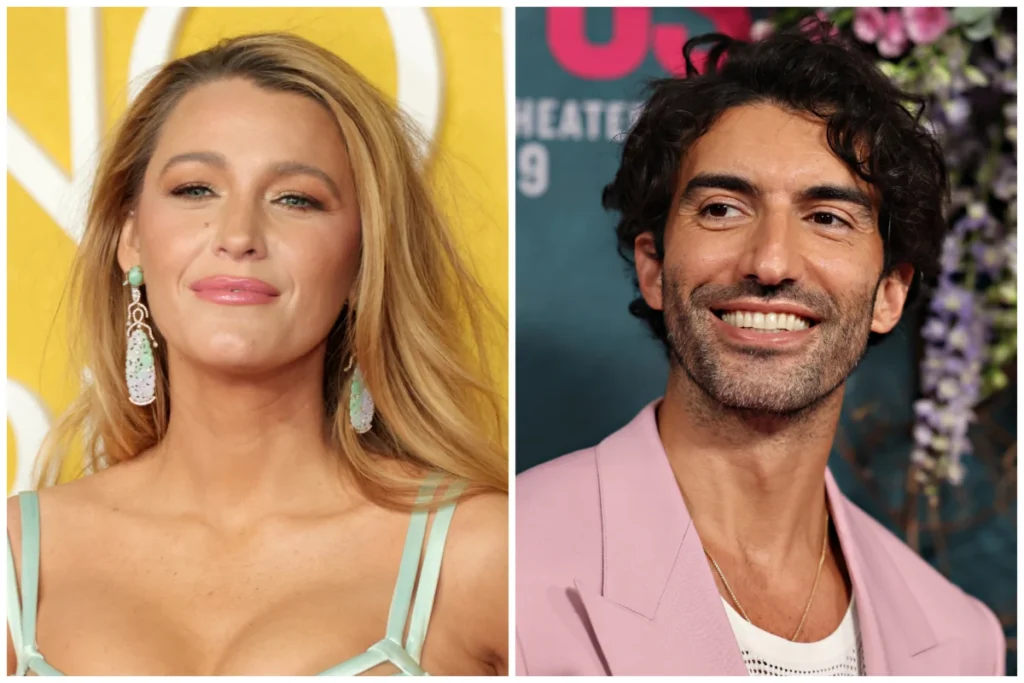

A federal judge has significantly narrowed the scope of actress Blake Lively’s sexual harassment lawsuit against her It Ends With Us co-star, Justin Baldoni, dismissing the majority of her claims, including the central allegations of sexual harassment and defamation. The ruling, issued by Judge Lewis Liman, throws out ten of the thirteen allegations initially brought by Lively, but allows three key claims to proceed to a civil trial scheduled for May 18 in New York. This development marks a pivotal moment in a high-profile legal battle that has drawn considerable attention to workplace conduct in the entertainment industry.
Background: The Genesis of the Dispute on the Set of ‘It Ends With Us’
The legal dispute stems from the production of It Ends With Us, a highly anticipated film adaptation of Colleen Hoover’s best-selling novel. The book, known for its exploration of themes like domestic violence, trauma, and resilience, garnered a massive global following, setting high expectations for its cinematic portrayal. Blake Lively stars as Lily Bloom, the protagonist, while Justin Baldoni takes on the role of Ryle Kincaid. The film’s production commenced with considerable buzz, largely due to the book’s popularity and the casting of two prominent Hollywood figures.
Filming for It Ends With Us primarily took place in New Jersey, a detail that would later prove crucial in the legal proceedings. Blake Lively initiated legal action against Justin Baldoni in 2024, alleging sexual harassment and accusing her co-star of orchestrating a smear campaign against her following their collaboration on the film. Lively’s lawsuit painted a picture of a hostile work environment and an attempt to damage her professional reputation after she reportedly stood up for safety on set.
Baldoni vehemently denied these accusations. In response, he launched his own countersuit, not only against Lively but also against her husband, Ryan Reynolds, and The New York Times, over an article they had published related to the allegations. However, Baldoni’s countersuit faced an early setback when a judge dismissed his claims in June of the previous year, specifically June 2024, if the present report is understood to be from early 2025. This earlier dismissal signaled the complex and multi-faceted nature of the legal skirmishes unfolding between the parties.
Judge Liman’s Comprehensive Ruling: A Deep Dive into Legal Technicalities

In a comprehensive 152-page ruling, Judge Lewis Liman meticulously dissected the various claims presented in Lively’s lawsuit. The most significant outcome of this detailed review was the dismissal of ten out of thirteen allegations, which included the core accusations of sexual harassment and defamation. The judge’s decision hinged on several key legal interpretations and jurisdictional considerations.
A primary reason for the dismissal of the sexual harassment claims, as articulated in the ruling, was the jurisdictional discrepancy. Lively had brought her harassment claims under California law, a common practice for Hollywood figures given the state’s robust labor protections. However, Judge Liman determined that the alleged wrongdoing and the majority of the filming activities took place in New Jersey, not California. This geographic distinction meant that California’s specific legal framework for harassment claims could not be applied in this instance, effectively invalidating that portion of the lawsuit.
Beyond the geographical argument, another critical factor emerged from the court’s analysis: Blake Lively’s classification as an "independent contractor" rather than an "employee" during the film’s production. This distinction, often a nuanced point in entertainment law, carries significant weight regarding workplace protections. Many state and federal anti-harassment statutes are specifically designed to protect "employees" and may not extend the same comprehensive protections to independent contractors, who are typically engaged for specific projects and retain more autonomy. Lively’s legal team later confirmed this interpretation, stating that the sexual harassment claims were not proceeding "not because the defendants did nothing wrong but because the court determined Blake Lively was an independent contractor, not an employee." This legal classification highlights a persistent challenge for freelancers and project-based workers in industries like entertainment, where traditional employer-employee relationships are not always clear-cut.
Furthermore, the judge also dismissed all claims brought against several individual defendants associated with Baldoni, including Jamey Heath, Steve Sarowitz, Melissa Nathan, and Jennifer Abel. This broad dismissal against multiple parties further streamlined the case, focusing the remaining legal battle primarily on Baldoni and the specific contractual and retaliatory actions alleged.
The Path Forward: Retaliation Claims to Civil Trial
Despite the significant dismissals, three critical claims from Blake Lively’s original lawsuit have been deemed strong enough to proceed to a civil trial. These include allegations of breach of contract, retaliation, and aiding and abetting in retaliation. The trial is set to commence on May 18, 2025, in New York, and will now focus intently on these remaining accusations.
The breach of contract claim suggests that Baldoni, or entities associated with him, failed to uphold specific terms or agreements made with Lively, likely related to their professional engagement on It Ends With Us. This could encompass various aspects, from production agreements to clauses concerning professional conduct or post-production obligations.

The claims of retaliation and aiding and abetting in retaliation are particularly significant given the context of Lively’s initial allegations. Retaliation in a workplace or professional setting typically refers to adverse actions taken against an individual for exercising a legal right, reporting misconduct, or participating in an investigation. Lively’s legal team has consistently framed the core of their case around "devastating retaliation" and "extraordinary steps the defendants took to destroy Blake Lively’s reputation because she stood up for safety on the set." These claims suggest that actions were taken against Lively, allegedly orchestrated or supported by Baldoni and his associates, as a direct consequence of her speaking out or taking a particular stance during production. The "aiding and abetting" component implies that others may have assisted Baldoni in these alleged retaliatory actions.
The upcoming civil trial will delve into the specifics of these allegations, examining evidence related to contractual agreements, communications between the parties, and any actions that could be construed as retaliatory. Lively’s legal team will need to demonstrate a direct link between her alleged actions (e.g., advocating for safety) and the subsequent adverse measures taken against her, including the purported "smear campaign" and "coordinated digital attacks" they have referenced.
Reactions from Legal Counsel: Framing the Narrative
Both legal teams involved in the case promptly issued statements following Judge Liman’s ruling, each framing the outcome in a light favorable to their respective clients.
Alexandra Shapiro and Jonathan Bach, attorneys representing Justin Baldoni, expressed considerable satisfaction with the judge’s decision. Speaking to the Daily Mail, they stated, "We’re very pleased the Court dismissed all sexual harassment claims and every claim brought against the individual defendants: Justin Baldoni, Jamey Heath, Steve Sarowitz, Melissa Nathan, and Jennifer Abel." They emphasized the gravity of the initial accusations, adding, "These were very serious allegations, and we are grateful to the Court for its careful review of the facts, law and voluminous evidence that was provided." Their statement concluded by highlighting the significantly narrowed scope of the case: "What’s left is a significantly narrowed case, and we look forward to presenting our defense to the remaining claims in court." This perspective underscores a perceived victory for Baldoni, clearing him of the most damaging accusations.
Conversely, Sigrid McCawley, a member of Blake Lively’s legal team, offered a different interpretation, emphasizing the resilience of their core arguments. Also speaking to the Daily Mail, McCawley stated, "This case has always been and will remain focused on the devastating retaliation and the extraordinary steps the defendants took to destroy Blake Lively’s reputation because she stood up for safety on the set and that is the case that is going to trial." She reiterated Lively’s commitment to fighting what she describes as online retaliation: "For Blake Lively, the greatest measure of justice is that the people and the playbook behind these coordinated digital attacks have been exposed and are already being held accountable by other women they’ve targeted. She looks forward to testifying at trial and continuing to shine a light on this vicious form of online retaliation so that it becomes easier to detect and fight."
Crucially, McCawley directly addressed the dismissal of the sexual harassment claims, clarifying the legal basis rather than conceding a lack of merit. She asserted, "Sexual harassment isn’t going forward not because the defendants did nothing wrong but because the court determined Blake Lively was an independent contractor, not an employee." This distinction is vital for Lively’s team, ensuring that the public understanding is that the claims were dismissed on a technical legal point concerning her employment status, rather than a finding that no harassment occurred. This clarification attempts to mitigate any perception that the allegations themselves were unfounded.

Broader Implications and Industry Scrutiny
This case, even in its narrowed form, carries significant implications for the entertainment industry and the broader discourse around workplace safety and accountability, particularly in the post-#MeToo era.
The judge’s ruling concerning Blake Lively’s status as an "independent contractor" brings into sharp focus the legal vulnerabilities faced by many actors, crew members, and other professionals in project-based industries. While independent contractor status offers flexibility, it can also leave individuals without the comprehensive protections afforded to traditional employees under various labor laws, including those designed to combat harassment. This case may prompt further discussions and potentially legislative efforts to extend greater legal safeguards to independent contractors in the entertainment sector, or at least encourage clearer contractual language regarding harassment policies and reporting mechanisms.
The continued focus on "retaliation" also resonates strongly within the current climate of Hollywood. The #MeToo movement not only brought to light widespread instances of harassment and abuse but also exposed the pervasive culture of fear and retaliation that often silenced victims. Lively’s commitment to "shining a light on this vicious form of online retaliation" underscores the ongoing struggle to ensure that individuals who speak out against misconduct are not penalized or subjected to smear campaigns. The trial will serve as a public platform to examine the alleged "digital attacks" and their impact, potentially setting a precedent for how such actions are addressed in the legal system.
Moreover, the fact that a prominent actress like Blake Lively is pursuing these claims, despite the dismissal of the sexual harassment allegations on technical grounds, highlights a broader determination among individuals in the industry to seek justice and advocate for safer working environments. The case continues to fuel conversations about the power dynamics on film sets, the responsibilities of co-stars and production teams, and the legal recourse available when conflicts arise.
The upcoming civil trial will not only determine the outcome of the remaining claims between Lively and Baldoni but also contribute to the evolving legal framework surrounding professional conduct, contractual obligations, and protection against retaliation in the highly scrutinized world of entertainment. The industry, still navigating the reforms sparked by recent social movements, will undoubtedly watch the proceedings closely for their potential to influence future practices and legal precedents.