
The full lineup for the 28th edition of the Far East Film Festival (FEFF), a premier showcase for the best and brightest of Asian cinema, has been officially revealed. Set against the picturesque backdrop of Udine, Italy, FEFF 2026 is poised to deliver another meticulously curated selection of films, reinforcing its reputation as a crucial bridge between Eastern cinematic artistry and Western audiences. From April 24 to May 2, the festival will present an impressive slate of 76 films, comprising 52 entries vying for the coveted competition awards and 24 screened out of competition, representing the vibrant and diverse filmmaking traditions of 12 Asian countries. This year’s program promises a rich tapestry of genres, narratives, and directorial visions, reflecting the dynamic evolution of Asian film industries.
FEFF’s Enduring Legacy: A Gateway to Asian Cinema
Since its inception in 1999, the Far East Film Festival has grown exponentially, establishing itself as one of Europe’s most significant platforms for popular Asian cinema. Founded by the Centro Espressioni Cinematografiche (CEC) in Udine, the festival’s initial mission was to introduce Italian and European audiences to the commercial and genre films often overlooked by more traditional film festivals. Over nearly three decades, FEFF has broadened its scope to include arthouse productions, documentaries, and animated features, while maintaining its core commitment to showcasing the diversity and vitality of filmmaking across the Asian continent. Its unique focus on films from East Asia, Southeast Asia, and increasingly, South Asia, distinguishes it from other major international festivals. Udine, a city steeped in history and culture in Italy’s Friuli Venezia Giulia region, provides an intimate and welcoming atmosphere that fosters genuine exchange between filmmakers, industry professionals, and enthusiastic cinephiles. The festival’s success lies not only in its programming but also in its ability to cultivate a dedicated community that celebrates the richness of Asian storytelling, often serving as a crucial launchpad for Asian films into the European distribution market. Each year, FEFF attracts a significant contingent of international press, buyers, and distributors, underscoring its pivotal role in the global film industry landscape.
A Festival of Premieres and Poignant Narratives
The 28th edition is set to commence on April 24 with the Singaporean family drama We Are All Strangers, helmed by acclaimed director Anthony Chen. Chen, known for his sensitive portrayal of human relationships and his minimalist yet profound storytelling, gained international recognition with his debut feature Ilo Ilo, which won the Camera d’Or at Cannes in 2013. His subsequent works have continued to garner critical praise, making We Are All Strangers a highly anticipated opener that promises to set a reflective tone for the festival. The narrative depth and emotional resonance characteristic of Chen’s work are expected to offer audiences a poignant exploration of contemporary family dynamics within a Singaporean context.
The festival will draw to a close on May 2 with Blood Moon Rite 8, a Vietnamese remake of the cult Japanese zombie comedy One Cut of the Dead. Directed by Phan Gia Nhật Linh, this choice highlights both the festival’s embrace of genre cinema and the increasing trend of cross-cultural remakes within Asia. The original One Cut of the Dead captivated audiences worldwide with its innovative structure and meta-commentary on filmmaking, achieving widespread critical acclaim and commercial success despite its low budget. The Vietnamese reimagining offers an intriguing prospect, blending the unique comedic and horror elements of the original with local cultural nuances and cinematic sensibilities. This closing film selection not only promises an entertaining finale but also underscores the creative dialogue and adaptation flourishing within Asian cinema.
Spotlight on Emerging and Established Film Hubs
FEFF 2026 is poised to shine a significant spotlight on the burgeoning cinematic landscapes of Singapore and Vietnam, countries that are increasingly making their mark on the international festival circuit. Beyond Anthony Chen’s opening film, Singapore will be represented by Ah Girl from Geck Priscilla Ang and The Old Man and his Car by Michael Kam. These selections hint at a diverse representation of Singaporean narratives, potentially exploring themes of coming-of-age, societal change, and intergenerational relationships, showcasing the range of emerging voices from the city-state’s film industry.
Vietnam’s robust presence further solidifies its status as a rising force in Asian filmmaking. In addition to the closing film, the festival will screen Leon Lê’s romance drama Ky Nam Inn, a film likely to delve into intricate emotional landscapes and human connections. Ham Tran’s action thriller Hijacked promises high-octane excitement and intricate plotlines, reflecting the growing sophistication of Vietnamese genre cinema. Completing the Vietnamese quartet is Tunnels: Sun in the Dark from Bùi Thac Chuyên, a Vietnam War movie that suggests a powerful exploration of historical trauma and human resilience. The inclusion of these diverse Vietnamese productions – spanning romance, action, and historical drama – collectively paints a picture of a vibrant and versatile film industry that is confidently tackling a wide array of subjects and styles.
Japanese Cinema’s Enduring Global Impact
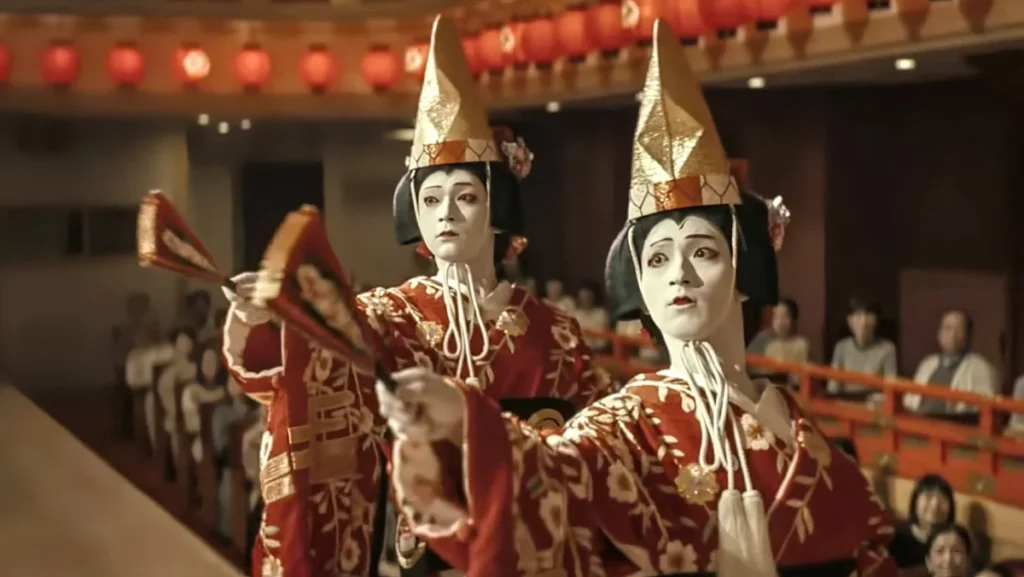
Japan, a perennial powerhouse in Asian cinema, will once again present several high-profile features. Lee Sang-il’s globally praised historical drama Kokuho is a major highlight, set to screen at FEFF just days before its highly anticipated Italian theatrical debut. Lee Sang-il, a director celebrated for his meticulous craftsmanship and compelling storytelling, will be in attendance for the festival screening, offering a unique opportunity for audiences to engage with the filmmaker. Kokuho, which centers around the traditional Japanese theater of kabuki, became a significant cultural phenomenon in Japan, achieving the distinction of being the country’s all-time highest-grossing live-action film. Its selection as Japan’s entry for the Academy Awards further cemented its critical and commercial success. The film’s exploration of kabuki, an art form rich in history, elaborate costumes, and stylized performances, offers a fascinating glimpse into Japanese cultural heritage, while its universal themes are expected to resonate with international audiences.
Further enriching the Japanese contingent is the world premiere of Fujiko, a female-led drama starring singer, actress, and tarento Megumi. Her return to Italy for this premiere underscores the international reach of Japanese talent. Fujiko is expected to delve into complex female perspectives and experiences, adding to the growing body of women-centric narratives in contemporary Japanese cinema.
South Korean Dynamism and Documentary Breakthrough
South Korea, another dominant force in global cinema, contributes compelling titles to the FEFF lineup. Jang Hang-jun’s The King’s Warden is slated for screening, promising the intricate plotting and character-driven storytelling often associated with South Korean thrillers and historical dramas. A particularly notable entry from South Korea is The Seoul Guardians, a documentary directed by Cho Chul-young, Kim Jong-woo, and Shin-Wan Kim. This film marks a significant milestone for FEFF as it becomes the first documentary to enter the official competition in Udine. This inclusion reflects a broader trend in international film festivals recognizing the artistic merit and narrative power of documentary filmmaking, acknowledging its capacity to engage with social, political, and cultural issues with depth and immediacy. The Seoul Guardians is anticipated to offer a unique perspective on contemporary Korean society or a specific facet of its culture, challenging perceptions and fostering greater understanding.
Honoring Cinematic Luminaries: The Golden Mulberry for Lifetime Achievement
The 28th Far East Film Festival will pay tribute to two titans of Asian cinema, both of whom are enjoying significant career renaissances, with the prestigious Golden Mulberry for Lifetime Achievement awards.
Chinese actress Fan Bingbing, a global icon, will be present in Udine to accept her Golden Mulberry. This award recognizes a career of remarkable versatility and resilience, marked by both arthouse triumphs and commercial blockbusters. Fan’s filmography showcases her range, from critically acclaimed performances in films like I Am Not Madame Bovary, which earned her the Best Actress award at the San Sebastián International Film Festival, and Ever Since We Love, to her formidable presence in high-budget commercial ventures such as The White Haired Witch of Lunar Kingdom, League of Gods, and Lady of the Dynasty. Her recent film, the drama Mother Bhumi, which screened in competition in Tokyo and garnered 8 Golden Horse nominations, signals a powerful return to form following a period of personal and professional challenges. Her presence at FEFF underscores her enduring star power and the industry’s recognition of her significant contributions.
Joining her in receiving the Golden Mulberry is Japanese legend Koji Yakusho. With a career spanning over four decades, Yakusho has established himself as one of Japan’s most respected and versatile actors, gracing a wide array of genres and collaborating with many of the country’s most acclaimed directors. His extensive filmography includes seminal works of Japanese cinema such as the gritty crime drama The Blood of Wolves, the poignant The Woodsman and the Rain, the psychologically intense The Eel, the iconic "ramen western" Tampopo, the gripping samurai epic 13 Assassins, and the chilling horror classic Cure. Most recently, Yakusho garnered universal praise and the coveted Best Actor prize at the Cannes Film Festival for his profoundly moving leading role in Wim Wenders’ acclaimed film Perfect Days. This international recognition further solidifies his status as a global acting treasure, and the Golden Mulberry serves as a fitting tribute to his immense artistic legacy.
Industry Insights and Broader Implications
Beyond the public screenings, the Far East Film Festival has cultivated a robust industry component, notably through initiatives like Focus Asia and the All Genres Project. These platforms serve as vital marketplaces and networking hubs, facilitating co-productions, distribution deals, and talent scouting for Asian films within the European market. Industry professionals attending FEFF engage in pitching sessions, one-on-one meetings, and panel discussions, fostering crucial collaborations that help bridge the gap between Asian creators and global audiences. The festival’s strategic location in Udine also provides a unique, accessible entry point for European distributors and programmers looking to acquire rights to a diverse range of Asian productions.
The 28th edition’s lineup reflects several key trends in contemporary Asian cinema: the increasing global recognition of Southeast Asian filmmakers, the continued innovative output from East Asian powerhouses like Japan and South Korea, and a willingness to explore complex social narratives alongside commercially viable genre films. The inclusion of a documentary in competition signals a broadening of the festival’s artistic vision, acknowledging the diverse forms of storytelling emerging from the region.
Anticipated remarks from the festival directors, Sabrina Baracetti and Thomas Bertacche, are expected to highlight their enthusiasm for the exceptional quality and diversity of this year’s selections, underscoring FEFF’s unwavering commitment to championing Asian cinematic voices. Local Udine officials are also likely to express pride in hosting such a prestigious international event, recognizing its significant cultural and economic contributions to the city and the Friuli Venezia Giulia region. The festival is a boon for local tourism, hospitality, and cultural engagement, drawing thousands of visitors, including filmmakers, critics, and cinephiles, each year.
The broader implications of FEFF 2026 are multifaceted. For Asian filmmakers, it offers unparalleled visibility and opportunities for international distribution, validating their artistic endeavors on a global stage. For European audiences, it provides a crucial window into diverse cultures, challenging perspectives, and introducing them to new cinematic talents and narratives that might otherwise remain unseen. For the global film industry, FEFF strengthens the networks that facilitate cross-cultural exchange, encouraging a more interconnected and diverse cinematic landscape. The festival’s continued success underscores the universal appeal of compelling storytelling, regardless of origin, and reaffirms its position as an indispensable fixture in the international film calendar.
As the curtain prepares to rise on the 28th Far East Film Festival, the stage is set for an extraordinary celebration of Asian cinema, promising a week of discovery, discussion, and delight in the heart of Italy.