
After a four-year hiatus, HBO’s critically acclaimed drama Euphoria is set to return for its third season, promising a dramatic shift in narrative and tone that departs significantly from where viewers last left the troubled teens of East Highland. The highly anticipated premiere, confirmed for an upcoming Sunday release on HBO and Max, introduces a substantial time jump, propelling its core characters into the complexities of early adulthood and the unforgiving "real world." This new chapter arrives laden with both creative ambition and profound emotional weight, as the series navigates the loss of two beloved cast members, Angus Cloud and Eric Dane, whose final performances will undoubtedly imbue Season 3 with a poignant resonance.
The Long-Awaited Return and a Leap into Adulthood
Euphoria first captivated audiences in June 2019, quickly becoming a cultural touchstone for its unflinching portrayal of adolescent life, drug addiction, mental health struggles, and burgeoning sexuality. Its distinct visual style, raw performances, and evocative soundtrack garnered widespread critical acclaim, cementing its status as one of HBO’s flagship dramas. The second season, which aired in early 2022, continued to push boundaries, culminating in intense cliffhangers that left fans eager for more. However, a series of production delays, exacerbated by the global pandemic, lead actor Zendaya’s demanding schedule, creator Sam Levinson’s concurrent projects (such as The Idol), and extensive script rewrites, stretched the gap between seasons to an unprecedented four years.
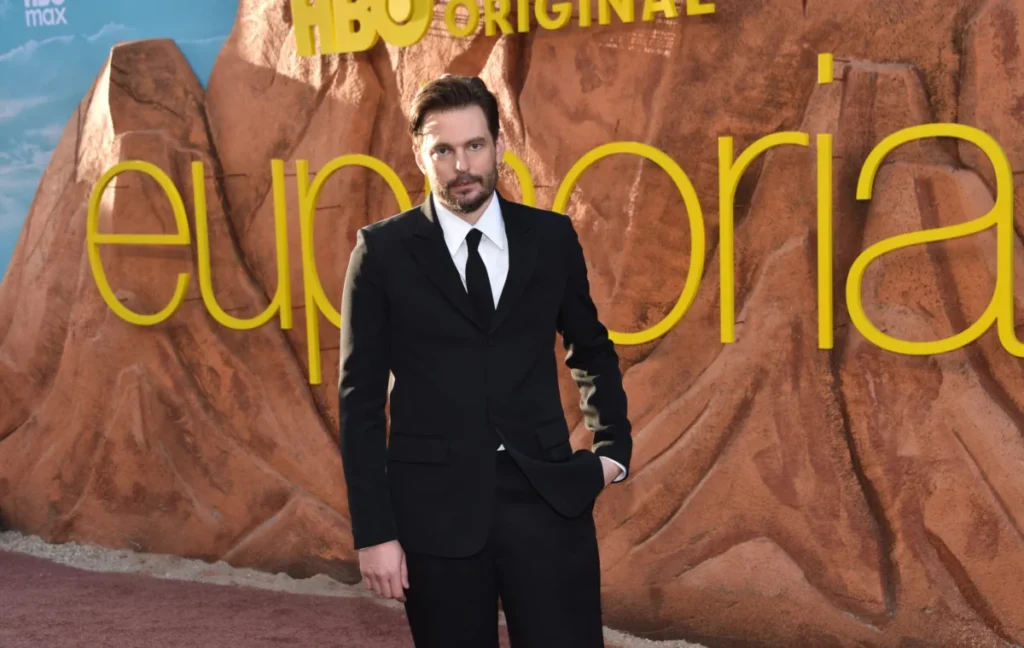
Now, Season 3 emerges from this extended development period with a bold new premise. The characters, once confined by the halls of East Highland High, are no longer teenagers but young adults grappling with post-secondary life. At the season three premiere event in Los Angeles, series creator, writer, and director Sam Levinson articulated the creative impetus behind this significant time jump. "I liked the idea of sort of the wild west of adulthood and this frontier feeling where anything is possible," Levinson remarked, elaborating on the thematic underpinnings of the new season. "That was sort of the backdrop that interested me, is who had these characters become and and what are the consequences to those actions?" This statement signals a mature evolution for the series, moving beyond the immediate anxieties of adolescence to explore the enduring impact of past choices on newfound independence.
Trailers and early promotional materials offer glimpses into these transformed lives. Cassie Howard (Sydney Sweeney) and Nate Jacobs (Jacob Elordi), whose tumultuous relationship was a focal point of Season 2, appear to have taken a drastic step, with scenes hinting at their marriage. This development is particularly striking given Nate’s history of manipulation and Cassie’s emotional vulnerability, suggesting a potentially volatile and complex union. Meanwhile, Lexi Howard (Maude Apatow) and Maddy Perez (Alexa Demie) are depicted pursuing careers in Hollywood, a setting ripe for exploring ambition, exploitation, and the harsh realities of the entertainment industry. The series’ protagonist, Rue Bennett (Zendaya), continues her arduous battle with drug addiction and its pervasive complications. Zendaya’s portrayal of Rue has been a cornerstone of the show, earning her two Primetime Emmy Awards for Outstanding Lead Actress in a Drama Series, and her ongoing struggle remains central to the narrative’s emotional core, raising questions about the long-term journey of recovery and relapse.
Navigating Loss: Tributes to Angus Cloud and Eric Dane
Season 3 arrives under the shadow of profound loss, marking the final appearances for two key actors, Angus Cloud and Eric Dane. Their respective passing has necessitated careful narrative adjustments and imbued the season with an undeniable emotional weight, profoundly impacting both the cast and crew.
Angus Cloud, who portrayed the soft-spoken, morally complex drug dealer Fezco "Fez" O’Neill, tragically passed away in July 2023 at the age of 25. Cloud’s journey to Euphoria was unconventional; he was famously discovered by a casting director on the streets of New York City, a testament to his authentic presence and unique charisma. His character, Fez, quickly became a fan favorite, known for his protective nature towards Rue and his younger brother Ashtray, and his surprising depth despite his involvement in the drug trade. His death sent shockwaves through the entertainment industry and among Euphoria‘s devoted fanbase.
Levinson spoke movingly about Cloud’s impact and the difficult decision regarding Fezco’s storyline. "I loved Angus very deeply and I fought very hard to keep him clean while he was here," Levinson shared with The Hollywood Reporter. "I think when he passed away, it made me sort of step back and go what is the story I want to tell, what is it I want to say? What matters in life? And if I was going to do another season I wanted to make sure that it spoke to kind of a larger idea about meaning and purpose and who we are. It made me want to kind of tackle the idea of faith and belief in something greater than ourselves."
In a poignant and unusual narrative choice, Levinson confirmed the decision to keep Fezco’s character alive within the series. This departure from typically writing out characters whose actors have passed away reflects a deep personal connection and a desire to honor Cloud’s legacy. "I couldn’t keep him alive in real life but I could keep his character alive in the show," Levinson emotionally continued. "I kept him alive and the character has got a great arc. I think he’d be very proud of it." This decision presents a unique storytelling challenge and opportunity, allowing the character to evolve and conclude his arc in a way that respects Cloud’s memory while potentially offering a sense of closure to fans. The implications of Fezco’s continued presence, especially given the dramatic events of the Season 2 finale where his fate hung precariously, will be a central and emotionally charged element of the new season.
Adding to the season’s somber context is the passing of Eric Dane, who portrayed Cal Jacobs, Nate’s complex and deeply closeted father. Dane died in February [2024], following a battle with Amyotrophic Lateral Sclerosis (ALS). Known for his roles in Grey’s Anatomy and The Last Ship, Dane brought a nuanced performance to Cal, whose journey of self-discovery and ultimate breakdown in Season 2 was a standout storyline. His character’s exploration of identity, repressed desires, and the ripple effect of his choices on his family added significant depth to the series.
Levinson recounted his interaction with Dane prior to filming. "Eric called me a few months before shooting to tell me about the ALS diagnosis," Levinson stated. "And I just said, ‘Look Eric, I love you and I promise however you show up we’re going to make it work, we’re going to find a way.’ We just tried to create the most comfortable environment and he’s magnificent in this season." This commitment to supporting Dane and integrating his performance sensitively underscores the familial atmosphere often reported on the Euphoria set despite its demanding production. Dane’s final portrayal of Cal Jacobs will undoubtedly be viewed through the lens of his personal battle, adding another layer of profound meaning to his character’s arc within the show.
Production Challenges and the Cultural Impact of Euphoria
The four-year gap between Euphoria‘s second and third seasons is not merely a logistical delay but a reflection of the intricate challenges inherent in producing a high-profile, artistically ambitious series. Beyond the unforeseen impact of the COVID-19 pandemic, which halted productions worldwide, the show’s extensive rewriting process and the increasingly busy schedules of its now globally recognized cast members played significant roles. Zendaya, in particular, has become one of Hollywood’s most sought-after stars, balancing her Emmy-winning role on Euphoria with blockbuster film franchises like Dune and Spider-Man, as well as other high-profile projects. Similarly, Sydney Sweeney and Jacob Elordi have seen their careers skyrocket, becoming household names with a plethora of films and television series under their belts. Managing the schedules of such in-demand talent for a show that requires extensive ensemble work is a monumental task.
Furthermore, Euphoria has faced its share of scrutiny regarding its production environment. Reports of long working hours, creative differences, and the intensity of the content have occasionally surfaced, though HBO and the cast have largely defended the production as challenging but ultimately rewarding. Levinson’s highly specific and often improvisational directorial style, while contributing to the show’s unique aesthetic, has also been cited as a factor in extended production timelines. These behind-the-scenes dynamics contribute to the narrative of a show that, despite its immense popularity and critical acclaim, is crafted under significant pressure.
Despite these challenges, Euphoria‘s cultural footprint remains undeniable. It has been lauded for its bold storytelling, cinematic visuals, and a soundtrack that consistently tops charts. The series has become a benchmark for contemporary teen dramas, influencing fashion, music, and discussions around youth culture. Its willingness to tackle taboo subjects with an unflinching gaze has resonated with a generation of viewers, sparking important conversations about mental health, substance abuse, and identity in the digital age. The show’s aesthetic, particularly its vibrant makeup and styling, has also spawned countless trends and tributes across social media platforms, solidifying its status as a pop culture phenomenon.
The End of an Era? Speculation on Euphoria‘s Future
Adding another layer of intrigue to the Season 3 premiere is the lingering question of whether this will be Euphoria‘s final season. Zendaya, the show’s undeniable star and an executive producer, recently hinted that the new season might serve as the series’ conclusion, sparking widespread speculation among fans and industry observers. Her comments have fueled discussions about the natural lifespan of a show centered on the specific period of youth, especially with the significant time jump already implemented.
When pressed on the red carpet about the show’s potential end, Sam Levinson offered a characteristically philosophical, albeit evasive, response. "I go into every season like it’s the last season, I really do," he explained. "I write it like it’s the last, when I put down my pencil at the end of the day or when I lock that final sound mix I go is this something I’m proud of? If this was it, am I happy? And I leave the rest on God’s desk." This statement can be interpreted in multiple ways: as a genuine artistic philosophy where each season is crafted with maximal impact, or as a strategic deflection to maintain suspense and allow for future flexibility. From a network perspective, HBO would likely be keen to continue a show as successful and critically acclaimed as Euphoria, especially given its prestige and awards traction. However, the creative vision of its creator and the evolving careers of its cast will ultimately dictate its longevity.
The cast members themselves appear to be in the dark, or at least playing coy. Sydney Sweeney, when asked about the show’s potential conclusion, pleaded innocent, claiming, "Everybody’s been talking about what may or may not happen but I honestly have no idea." Conversely, Alexa Demie offered a more reflective, albeit equally non-committal, perspective, admitting, "I don’t know — it feels like it." These varied responses from the actors only serve to amplify the uncertainty surrounding the show’s future, adding to the dramatic tension surrounding the Season 3 release.
Anticipation and Broader Implications
The return of Euphoria is one of the most highly anticipated television events of the year. The blend of a radical narrative shift, the emotional weight of honoring departed cast members, and the persistent question of the series’ ultimate conclusion creates a potent cocktail of expectation. For HBO, Euphoria represents not just a successful drama but a critical pillar of its prestige programming, capable of attracting both awards recognition and a passionate youth demographic. The performance of Season 3 will undoubtedly influence future decisions regarding the network’s investment in similar edgy, youth-focused content.
The series has consistently pushed boundaries, and its third outing is poised to continue this tradition, albeit with a more mature lens. By confronting the "wild west of adulthood," Euphoria is set to explore themes of responsibility, lasting consequences, and the enduring search for meaning in a complex world. The decision to keep Fezco’s character alive, alongside the sensitive portrayal of Cal Jacobs, underscores a commitment to honoring the actors’ legacies while maintaining narrative integrity. As the characters navigate marriages, careers, and persistent personal demons, viewers are invited to witness a new, perhaps more sober, chapter in their tumultuous lives. The outcome, both narratively and critically, will be keenly observed, determining whether Euphoria can successfully transition its compelling, yet often controversial, storytelling from the high school hallways to the broader, equally treacherous landscape of adult existence.
For now, all eyes are on the upcoming Sunday premiere on HBO, as Euphoria once again invites audiences to delve into its uniquely raw and visually stunning world.