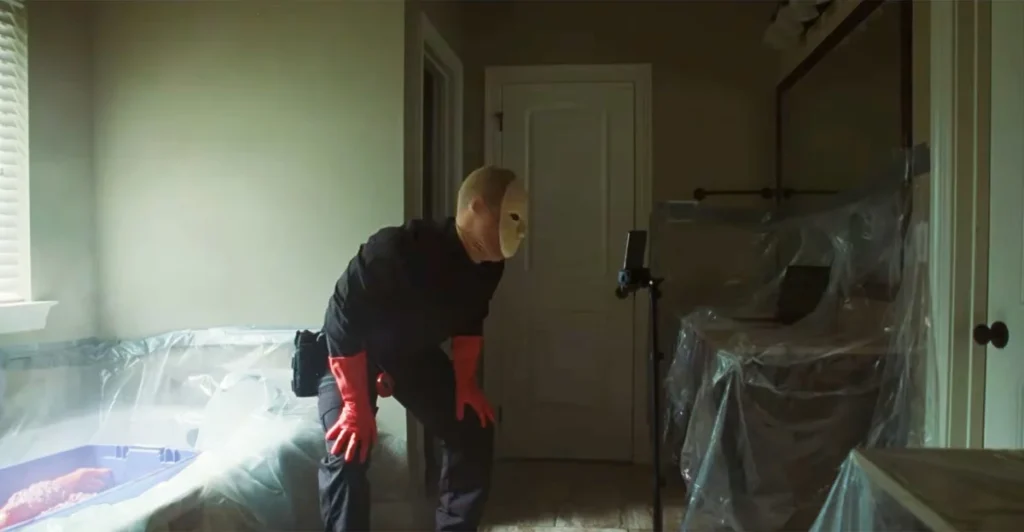

IFC Films has unveiled a second official trailer for its upcoming horror film, Faces of Death, a contemporary meta-horror reimagining of the notorious 1978 cult classic. The trailer, released on March 25, 2026, offers a chilling glimpse into a narrative that blurs the lines between reality and manufactured horror, echoing the controversial legacy of its predecessor. The film is slated for release in select theaters across the United States on April 10, 2026, daring audiences to confront its unsettling themes.
The Meta-Horror Premise: Content Moderation and the Unseen
The new trailer plunges viewers into the world of a content moderator, portrayed by Barbie Ferreira, who works for a major video platform. Her job, ostensibly to filter and categorize online content, takes a horrifying turn when she encounters a series of extremely violent videos that appear to meticulously recreate death scenes from the original Faces of Death. This premise taps into contemporary anxieties surrounding the proliferation of disturbing content online and the psychological toll it can take, particularly on those tasked with its curation. The film’s tagline, "You can’t unsee it," directly alludes to the original film’s purported realism and its impact on viewers, suggesting this remake will similarly push boundaries.
The narrative structure positions the protagonist within a digital landscape where authenticity is constantly in question. As she delves deeper into the disturbing footage, she is forced to grapple with a crucial, and potentially life-threatening, dilemma: is the violence she is witnessing a product of sophisticated digital manipulation, or is it unfolding in real-time? This meta-commentary on the nature of digital media and its potential for deception forms the core of the film’s modern interpretation.

The Legacy of Faces of Death and its Controversial Impact
The original Faces of Death, released in 1978, was a groundbreaking, albeit deeply controversial, film that propelled the "found footage" or "shockumentary" genre into the mainstream. Directed by John Alan Schwartz, the film presented itself as a documentary exploring death across various cultures and circumstances, interspersed with staged or manipulated footage designed to shock and disturb. Its ambiguous presentation of reality, particularly its alleged inclusion of actual death footage, sparked widespread debate and led to bans in numerous countries. The film’s success was largely attributed to its ability to tap into a primal fear and morbid curiosity about mortality, often at the expense of ethical filmmaking practices.
This new iteration, directed by Daniel Goldhaber, known for his work on the critically acclaimed horror film Cam and the timely eco-thriller How to Blow Up a Pipeline, aims to recontextualize the original’s premise for a 21st-century audience. Goldhaber and co-writer Isa Mazzei have expressed their intention to honor the spirit of the original film’s "is it real?" conceit while navigating the legal and ethical landscape of contemporary filmmaking. In a statement to Variety in 2026, they emphasized, "It’s very important to us to honor the parts of that aspect of the original. We have done our best in the movie to do that within the bounds of the law." This suggests a careful approach to depicting violence, likely relying on more conventional horror techniques while maintaining the pervasive sense of dread and uncertainty.
A Star-Studded Ensemble Cast
The film boasts a compelling cast, fronted by Barbie Ferreira, who gained prominence for her role in HBO’s Euphoria. She is joined by Dacre Montgomery, known for his role as Billy Hargrove in Stranger Things. The ensemble also includes Josie Totah, Aaron Holliday, and Jermaine Fowler, with a notable appearance by recording artist Charli XCX. This diverse cast brings a contemporary appeal to the project, potentially drawing in a wider audience beyond traditional horror aficionados. The inclusion of Charli XCX, a prominent figure in pop culture, further signals the film’s intent to engage with a modern, digitally-native audience.
Goldhaber’s Vision: Provocative and Timely Filmmaking
IFC Films has expressed strong confidence in Goldhaber’s direction. Buzz from the studio suggests a deep appreciation for his "unsettling, timely, and provocative" reimagining. This endorsement highlights Goldhaber’s track record of creating films that resonate with contemporary issues and anxieties. Cam, his 2018 directorial debut, explored themes of online identity, exploitation, and the blurred lines between the digital and real worlds, sharing thematic DNA with the new Faces of Death. Similarly, How to Blow Up a Pipeline, released in 2023, tackled urgent environmental concerns with a thrilling and thought-provoking narrative.

The decision to remake Faces of Death by a director known for such thought-provoking work indicates a desire to move beyond mere shock value and delve into the psychological and societal implications of extreme content. The film’s release strategically coincides with a period of heightened awareness regarding the impact of digital media and the ethical considerations surrounding its creation and consumption.
Chronology of Release and Promotional Material
The release of this second trailer follows a series of promotional efforts by IFC Films. The first official trailer was released on an unspecified date prior to March 25, 2026, described as "creepy" and "unsettling." A teaser trailer, offering an earlier look at the film, was also made available, further building anticipation. The studio has also released multiple posters for the film, showcasing a consistent visual aesthetic that emphasizes dread and mystery.
The official release date of April 10, 2026, marks the culmination of this promotional campaign, placing the film’s theatrical debut firmly in the spring movie season. The lack of prior festival premieres, as far as public knowledge extends, suggests IFC Films is opting for a direct theatrical release, aiming to generate buzz through its provocative subject matter and marketing.
Supporting Data and Broader Implications
The remake of Faces of Death arrives at a time when discussions around the impact of violent content on mental health, the ethics of content moderation, and the nature of reality in the digital age are more prevalent than ever. Platforms like YouTube, TikTok, and others constantly grapple with the challenge of moderating user-generated content, a task that is both technically complex and ethically fraught. The film’s premise directly addresses the psychological strain experienced by content moderators, a often-unseen workforce dealing with the most disturbing aspects of online life.

Furthermore, the enduring fascination with the original Faces of Death speaks to a persistent human curiosity about the macabre and the forbidden. The remake has the potential to reignite debates about the responsibility of filmmakers in depicting violence and the fine line between artistic expression and exploitation. By placing the narrative within the context of content moderation, Goldhaber’s Faces of Death can be seen as a commentary on how society consumes and sanitizes violence in the digital era, raising questions about our collective complicity.
The film’s success will likely be measured not only by its box office performance but also by its ability to provoke meaningful dialogue. The "is it real?" question, central to the original, is now amplified by the sophisticated visual effects and deepfake technology available today, making the remake’s exploration of authenticity even more pertinent. The casting of popular contemporary actors also suggests an ambition to reach a younger demographic, who are digital natives and may have a different understanding of online reality and simulated violence.
IFC Films’ decision to release Faces of Death in select theaters suggests a targeted approach, likely aiming for cinephiles and horror enthusiasts who are drawn to challenging and boundary-pushing cinema. The film’s provocative nature, combined with the directorial pedigree of Daniel Goldhaber, positions it as a potentially significant release in the 2026 horror landscape. The question remains whether audiences are prepared for another encounter with the Faces of Death, especially when filtered through the lens of modern technological anxieties and the ever-present specter of digital deception.