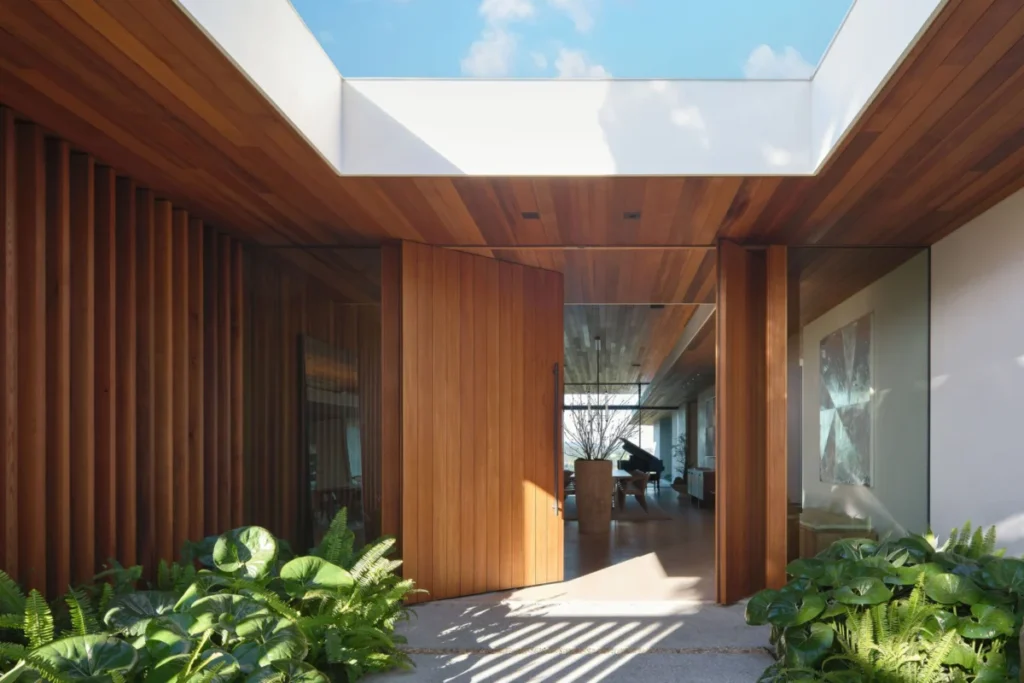

The concept of the "longevity home" has transitioned from a niche interest of biohackers and ultra-wealthy enthusiasts into a central pillar of contemporary architecture and interior design. As the global population shifts its focus from merely extending the number of years lived to maximizing "health span"—the period of life spent in good health—the built environment is being scrutinized as a primary determinant of long-term physiological outcomes. Architects and designers are no longer viewing the home as a passive shelter, but rather as a proactive medical intervention capable of mitigating chronic illness, enhancing cognitive function, and promoting physical vitality through data-driven design and material science.
The Evolution of Wellness Architecture and the Shift Toward Longevity
The trajectory of health-focused design has undergone several distinct phases over the last half-century. In the late 20th century, the "green building" movement prioritized energy efficiency and environmental impact, leading to the rise of certifications like LEED (Leadership in Energy and Environmental Design). By the early 2010s, the focus shifted toward "wellness," characterized by the inclusion of home gyms, meditation rooms, and the initial surge of the at-home sauna market.
Today, the industry is entering a third wave: longevity architecture. This era is defined by a more rigorous, science-backed approach that addresses the biological impact of the home on its inhabitants. According to the Global Wellness Institute, the wellness real estate market was valued at approximately $398 billion in 2022 and is projected to reach nearly $900 billion by 2027. This rapid growth reflects a fundamental change in consumer expectations, where homeowners are increasingly demanding environments that actively support biological optimization.
%20Kevin%20Scott%20-%20Carla%20Ridge0053-2.jpg.jpeg)
The move toward longevity homes is supported by a growing body of evidence regarding the "exposome"—the measure of all the exposures of an individual in a lifetime and how those exposures relate to health. Given that individuals in developed nations spend an average of 90% of their time indoors, the home represents the most significant portion of the human exposome. Consequently, design choices regarding air quality, light exposure, and material toxicity are being re-evaluated as critical health factors rather than mere aesthetic preferences.
Strategic Layouts: The Floor Plan as a Behavioral Catalyst
The foundation of a longevity-focused home begins with the floor plan. Leading architects now argue that the layout of a residence is the primary driver of daily movement and social interaction, both of which are essential for long-term health. Strategic spatial planning can nudge inhabitants toward healthier behaviors without requiring conscious effort.
One of the key strategies in longevity planning is the integration of "active design." This involves the placement of staircases in central, light-filled areas to encourage climbing over elevator use, and the distribution of living spaces to require more walking throughout the day. Furthermore, the "Blue Zones" research, which identifies regions where people live significantly longer, emphasizes the importance of social connectivity. Modern longevity homes are being designed with "social hubs"—kitchens and common areas that facilitate communal dining and face-to-face interaction—while also providing "restorative zones" for solitude and stress reduction.
Spatial planning also addresses the inevitability of aging. Designers are increasingly adopting "Universal Design" principles, ensuring that homes remain functional as mobility changes. This includes wider doorways, zero-threshold entries, and reinforced walls for future grab-bar installations. By designing for all life stages simultaneously, the longevity home reduces the psychological and physical stress associated with retrofitting a home during the later years of life.

The Material Revolution: Eliminating the Toxic Load
Perhaps the most technical aspect of the longevity home is the selection of building materials. For decades, traditional construction has relied on materials that emit volatile organic compounds (VOCs), formaldehyde, and flame retardants. Research from organizations such as the Parsons Healthy Materials Lab has highlighted the cumulative health risks associated with these substances, including respiratory issues, endocrine disruption, and increased cancer risk.
The longevity movement has spurred a demand for "Red List-free" materials—products that do not contain chemicals known to be harmful to human health. This includes the use of lime-based plasters instead of gypsum drywall, solid wood cabinetry without urea-formaldehyde binders, and natural fiber insulation like hemp or wool.
A significant focus has also been placed on nontoxic paints and finishes. The market for low-VOC and zero-VOC paints has matured significantly, with new formulations utilizing plant-based resins and mineral pigments. These alternatives not only eliminate off-gassing but often provide "breathable" surfaces that help regulate indoor humidity, preventing the growth of mold and mildew, which are major triggers for chronic inflammation and respiratory ailments.
Environmental Controls: Air, Water, and Light
To achieve a true longevity environment, the home must function as a high-performance filter against external stressors. This is achieved through sophisticated mechanical systems designed to optimize the internal atmosphere.

Air filtration is a cornerstone of this approach. Beyond standard HVAC systems, longevity homes often employ HEPA (High-Efficiency Particulate Air) filtration and MERV 16-rated filters capable of capturing ultra-fine particles, including allergens, pollutants, and viruses. Some advanced residences now include real-time air quality monitoring systems that automatically increase ventilation when CO2 or particulate levels rise, ensuring that the brain is always supplied with oxygen-rich, clean air.
Water quality is equally prioritized. Point-of-entry filtration systems are becoming standard, removing chlorine, heavy metals, and microplastics from the entire home’s water supply. This protects not only the water intended for consumption but also the water used for bathing, as the skin can absorb significant amounts of contaminants during a shower.
Light is perhaps the most potent biological cue the home provides. Circadian lighting systems, which mimic the shifting color temperature and intensity of natural sunlight throughout the day, are being integrated into longevity homes to regulate the inhabitants’ sleep-wake cycles. By providing bright, blue-enriched light in the morning and warm, dim light in the evening, these systems support natural cortisol and melatonin production, which is fundamental to cellular repair and cognitive health.
The Bedroom as a Restorative Laboratory
In the context of longevity, the bedroom is viewed as the most important room in the house. Sleep is the primary period for metabolic waste clearance in the brain and cellular regeneration. Therefore, the design of the bedroom in a longevity home is focused entirely on sleep hygiene and environmental control.

Acoustic engineering is a primary concern; double or triple-paned windows and specialized wall insulation are used to create a "silent envelope" that prevents sleep disturbances from outside noise. Temperature control is also critical, as medical research suggests that a cooler environment (typically around 65 degrees Fahrenheit) is optimal for deep sleep. Longevity-focused bedrooms often feature independent climate zones and "smart" mattresses that regulate surface temperature.
Furthermore, designers are increasingly implementing "blackout" technologies and eliminating "blue light" sources from the bedroom. This includes the removal of televisions and the use of shielded electrical wiring to reduce electromagnetic field (EMF) exposure, which some wellness practitioners believe can interfere with the body’s bioelectrical systems during rest.
Professional Responses and Industry Standards
The rise of the longevity home has prompted a professional response from the design and medical communities. The WELL Building Standard, managed by the International WELL Building Institute (IWBI), has become the benchmark for this movement. Unlike LEED, which focuses on the building’s environmental footprint, WELL focuses exclusively on human health and wellness.
Designers are now seeking WELL accreditation to signal their expertise in creating health-optimized spaces. "We are seeing a shift where clients no longer just want a beautiful home; they want a home that functions like a piece of medical equipment," says one New York-based architect specializing in wellness real estate. "The conversation has moved from ‘Is this marble pretty?’ to ‘Is this stone sealed with a chemical that will affect my endocrine system?’"

Medical professionals are also entering the design space. "Longevity doctors" are increasingly collaborating with architects to prescribe specific home interventions for their patients, such as medical-grade infrared saunas, cold plunge pools for inflammation management, and hyperbaric oxygen chambers.
Economic and Societal Implications
The broader implications of the longevity home movement extend beyond individual health. As these technologies and materials become more mainstream, their costs are expected to decrease, making health-focused design more accessible to a wider demographic. This shift has the potential to reduce the overall burden on healthcare systems by preventing the onset of chronic lifestyle-related diseases.
Furthermore, the longevity home addresses the "aging in place" crisis. By creating environments that support health and mobility from the outset, society can reduce the reliance on assisted living facilities, allowing individuals to maintain independence and social connections deep into their senior years.
However, the trend also raises questions about the "wellness gap." As longevity-optimized homes become a status symbol for the affluent, there is a risk of further bifurcating health outcomes based on socioeconomic status. Industry analysts suggest that the next challenge for the design community will be to integrate these longevity principles into affordable housing and urban planning, ensuring that the benefits of health-span-extending architecture are available to all.

The emergence of the longevity home marks a definitive turning point in the history of architecture. By synthesizing ancient wisdom regarding natural light and social connection with cutting-edge material science and environmental technology, the design community is redefining the purpose of the home. In this new paradigm, the house is not just where we live; it is how we live longer.