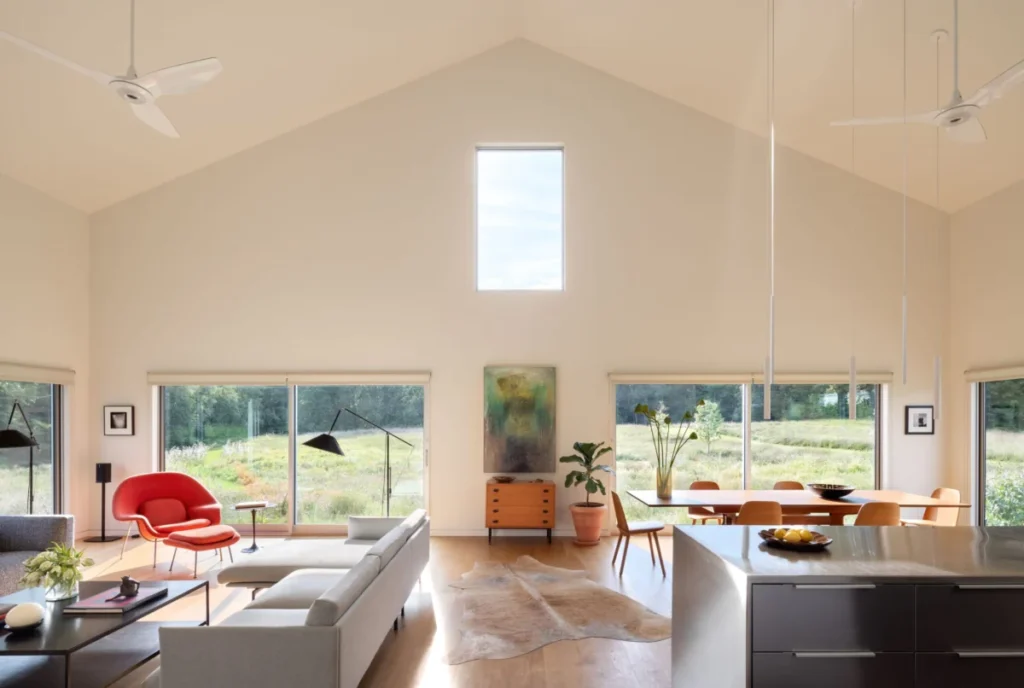

The traditional concept of the home as merely a place of shelter and aesthetic expression is undergoing a radical transformation as medical experts and interior designers converge on a new philosophy: the home as a biological recovery center. This shift reflects a growing understanding that health and longevity are not just the result of occasional visits to a doctor, but are deeply influenced by the environments in which individuals spend upwards of 90% of their time. According to Dr. Dawn Mussallem, a doctor of osteopathic medicine and Chief Medical Officer at the longevity clinic Fountain Life, the modern residence should function as a sanctuary for the nervous, immune, and cardiovascular systems—a place where human biology can actively restore itself rather than constantly defending against environmental stressors.
As the global wellness real estate market continues its rapid expansion—projected by the Global Wellness Institute to reach nearly $900 billion by 2027—the integration of health-focused technology and design is moving from a luxury niche into a standard for high-end residential development. This evolution is driven by an expert-led movement that prioritizes environmental purity, physical resilience, and psychological restoration. By examining the choices of leading longevity experts and designers, a blueprint emerges for the "longevity home," a space engineered to extend the human healthspan through deliberate interventions in air, water, light, and movement.
The Environmental Foundation: Purifying Air, Water, and Light
For wellness-focused designers, the most critical elements of a healthy home are often the most invisible. Ámbar Margarida, a principal designer specializing in wellness environments, identifies water, air, and light as the fundamental pillars of daily health. The integration of high-performance filtration systems is no longer viewed as optional but as a necessary defense against modern contaminants. Margarida utilizes third-party verified water filtration systems, such as those from Epic Water Filters, to remove per- and polyfluoroalkyl substances (PFAS), often referred to as "forever chemicals," which have been linked to various metabolic and hormonal disruptions.
The importance of water quality is echoed by Dr. Mussallem, who notes that water touches nearly every biological interface, from the fluids we ingest to the steam we inhale during a shower. Beyond filtration, the focus shifts to air quality and light. Modern homes are increasingly incorporating Energy Recovery Ventilators (ERVs) and high-efficiency particulate air (HEPA) purifiers. Designer Lisa Sternfeld notes that an ERV provides a constant supply of fresh, filtered air, which fundamentally alters the "feel" of a home, improving sleep quality and respiratory comfort.

Lighting design has also moved toward "circadian-synced" systems. Using tunable white lighting, such as CREE’s LED technology, homeowners can mimic the natural progression of sunlight. These systems provide bright, blue-enriched light in the morning to suppress melatonin and boost alertness, transitioning to warmer, amber tones in the evening to facilitate natural sleep cycles. This alignment with the body’s internal clock is considered a cornerstone of long-term metabolic and cognitive health.
Physical Resilience: Integrating Strength and Movement into Daily Life
A central theme among longevity experts is the prioritization of muscle mass as a primary indicator of healthy aging. Dr. Matt Kaeberlein, a leading researcher in the biology of aging, emphasizes that resistance training is often underappreciated in the context of longevity. To combat sarcopenia—the age-related loss of muscle mass and strength—experts are moving away from tucked-away basement gyms toward integrated, high-tech movement spaces.
Dr. Frank Lipman, a pioneer in functional medicine, highlights the Tonal home gym as a game-changer for maintaining strength. Because muscle mass naturally begins to decline after the age of 30, having accessible, data-driven resistance training equipment within the home environment reduces the friction to exercise. Similarly, Arianna Huffington, founder of Thrive Global, utilizes a strategy of "habit stacking" to maintain cardiovascular health. By placing a treadmill, bike, and elliptical in areas where she can engage in "temptation bundling"—such as watching favorite television series only while exercising—she transforms a high-effort task into a sustainable daily habit.
Thermal Therapy: The Rise of the In-Home Recovery Suite
One of the most significant trends in longevity design is the installation of "recovery suites" that utilize thermal stress to trigger biological benefits. Dr. Mark Hyman and Dr. Frank Lipman both advocate for the use of infrared saunas and cold plunges as tools for detoxification, muscle recovery, and nervous system regulation.
The scientific rationale for these additions is robust. Sauna bathing is associated with improved endothelial function (the health of the blood vessel lining), reduced arterial stiffness, and lower systemic inflammation. Dr. Mussallem points out that these physiological responses mimic some of the benefits of exercise, providing a potent tool for cardiovascular health. In high-end designs, such as Google Chief Design Officer Ivy Ross’s home, these elements are paired with traditional materials like hinoki wood soaking tubs, blending ancient restorative rituals with modern medical insights.

The concept of the "recovery suite" is also expanding to include steam rooms. Designers like Margarida note that the research surrounding the cardiovascular and stress-reduction benefits of steam is compelling, turning what was once a luxury spa feature into a regular, restorative ritual that supports long-term heart health and skin integrity.
Psychological Well-being and the Biophilic Connection
While high-tech interventions dominate much of the longevity conversation, experts also stress the importance of the psychological and sensory environment. Ximena Rodriguez, a leader in interior design, argues that even a home with perfect air quality will fail to support health if it does not provide a sense of calm and inspiration. Her approach emphasizes biophilic design—the integration of living plants—and the use of high-quality, natural materials.
Research has consistently shown that indoor plants can reduce stress levels, improve mood, and even provide minor air purification benefits. However, the impact is largely psychological; the presence of nature indoors helps to regulate the autonomic nervous system, moving the body from a "fight or flight" sympathetic state into a "rest and digest" parasympathetic state. Rodriguez also advocates for the inclusion of handmade objects and meaningful treasures from travel, which anchor the resident in positive memories and meaningful experiences, fostering a sense of emotional well-being that is essential for longevity.
The Frontier of Nutrition and Artificial Intelligence
Looking toward the future, the longevity home is expected to become smarter and more proactive in managing nutrition. Dr. Kaeberlein suggests that the next major leap in home wellness will involve Artificial Intelligence (AI). By using AI-integrated cameras in kitchens and refrigerators, systems could accurately track nutritional intake, manage meal plans, and automate the ordering of high-quality, unprocessed foods.
The elimination of ultra-processed foods is a primary goal for longevity advocates. An AI-managed kitchen could act as a digital gatekeeper, ensuring that the home environment supports healthy eating patterns rather than sabotaging them. This reflects a broader trend of using technology to automate healthy choices, reducing the "decision fatigue" that often leads to poor lifestyle habits.

Sleep Hygiene and Digital Detoxification
The final, and perhaps most critical, component of the longevity home is the dedicated sleep environment. Dr. Mussallem describes the ideal bedroom as a sanctuary characterized by complete darkness, precise temperature control, and balanced humidity. Scientific consensus suggests that cooler environments (typically between 60 and 67 degrees Fahrenheit) are superior for deep, restorative sleep, which is when the brain’s glymphatic system clears out metabolic waste.
To protect this environment, experts like Arianna Huffington advocate for physical barriers between technology and the bedroom. The use of products like the "Phone Bed Charging Station"—which keeps devices outside the sleeping area—facilitates a digital detox. By removing the blue light and psychological stimulation of smartphones from the bedroom, residents can significantly improve sleep latency and quality, directly impacting cognitive longevity and emotional resilience.
Broader Implications and the Future of Residential Design
The transition of the home into a recovery center represents a fundamental shift in how society views the relationship between architecture and health. It moves the needle from "reactive" healthcare—treating illness after it occurs—to "proactive" health optimization. As the data supporting these interventions becomes more widely accepted, we can expect to see these features trickle down from bespoke luxury homes into broader residential developments.
The implications for urban planning and architecture are profound. Future homes may be rated not just on their energy efficiency or square footage, but on their "biological performance." This could lead to new standards in building codes regarding air filtration, non-toxic building materials, and the integration of communal wellness spaces in multi-family housing.
Ultimately, the longevity home is about creating an environment that works for the human body rather than against it. By prioritizing the fundamentals of air, water, and light, while integrating tools for movement, recovery, and psychological peace, the modern residence becomes the most powerful tool in the quest for a longer, healthier life. As Dr. Mussallem concludes, the goal is to create a space where biology can truly restore, providing the foundation for a life lived to its fullest potential.