
The traditional approach to residential design often treats wellness as a secondary consideration, a luxury to be squeezed into a spare corner or a basement long after the structural blueprints have been finalized. However, a growing movement of architects, neuroscientists, and medical professionals is advocating for a fundamental shift in how we conceive of the domestic environment. They argue that longevity and health should be integrated into the very DNA of a home’s floor plan, transforming the house from a mere shelter into a form of "behavioral architecture" that actively shapes the nervous system and daily habits of its inhabitants.
This evolution in design philosophy posits that the home is the most powerful environmental influence an individual encounters. According to Elise Joan, the founder of the longevity program The Ageless Protocol, the physical layout of a home can actually dictate metabolic function, hormone regulation, and psychological resilience. As the global wellness real estate market continues to expand—reaching an estimated $398 billion in 2023 according to the Global Wellness Institute—the focus is moving beyond high-tech gadgets toward the fundamental elements of space, light, and flow.
The Science of Siting and Circadian Synchronization
The integration of health into the floor plan begins long before the first wall is framed. It starts with siting—the strategic placement of a building on its lot to maximize its relationship with the sun and the surrounding environment. Lisa Sternfeld, a WELL-accredited designer and founder of the studio WLLW, emphasizes that spending time on a site at various hours of the day is critical for understanding how light moves across the land. This is not merely an aesthetic choice; it is a physiological necessity.

Natural light serves as the primary external cue for the human circadian rhythm, the internal clock that regulates sleep-wake cycles, cortisol production, and mitochondrial function. Dr. Nisha Chellam, an internist with the functional medicine platform Parsley Health, explains that morning light is essential for "anchoring" this rhythm. Floor plans that prioritize east-facing bedrooms allow inhabitants to wake up with the rising sun, triggering a natural cortisol spike that boosts alertness and mood stability. Conversely, designing for darkness in the evening facilitates the production of melatonin, ensuring the deep, restorative sleep necessary for cellular repair and long-term health.
Beyond light, the orientation of a home serves to mitigate external stressors. By directing views toward natural greenery and orienting living spaces away from noise pollution, architects can lower the baseline "allostatic load"—the wear and tear on the body caused by chronic stress. A grounded sense of arrival, designed through a deliberate entry sequence, prepares the body to transition from the external world into a state of recovery.
Neuroaesthetics and the Power of Architectural Flow
The emerging field of neuroaesthetics—the scientific study of how the brain responds to aesthetic experiences—is increasingly informing high-end residential architecture. Suchi Reddy, founder of the New York design firm Reddymade, applies these principles to ensure that a home’s layout reduces the cognitive and physical load on its occupants. The goal is to create a sense of "flow," a coalescence of scale, proportion, and transition that allows the inhabitant to exist within the space without having to "fight" against it.
A critical component of this flow is the threshold. In neuroaesthetic terms, a foyer or entry hall acts as a "decompression zone." This physical transition allows for a psychological shift, signaling the brain to move from the high-alert state of the professional world to the relaxed state of the domestic world. When a floor plan facilitates this "exhale," it supports the parasympathetic nervous system, which is responsible for rest and digestion.

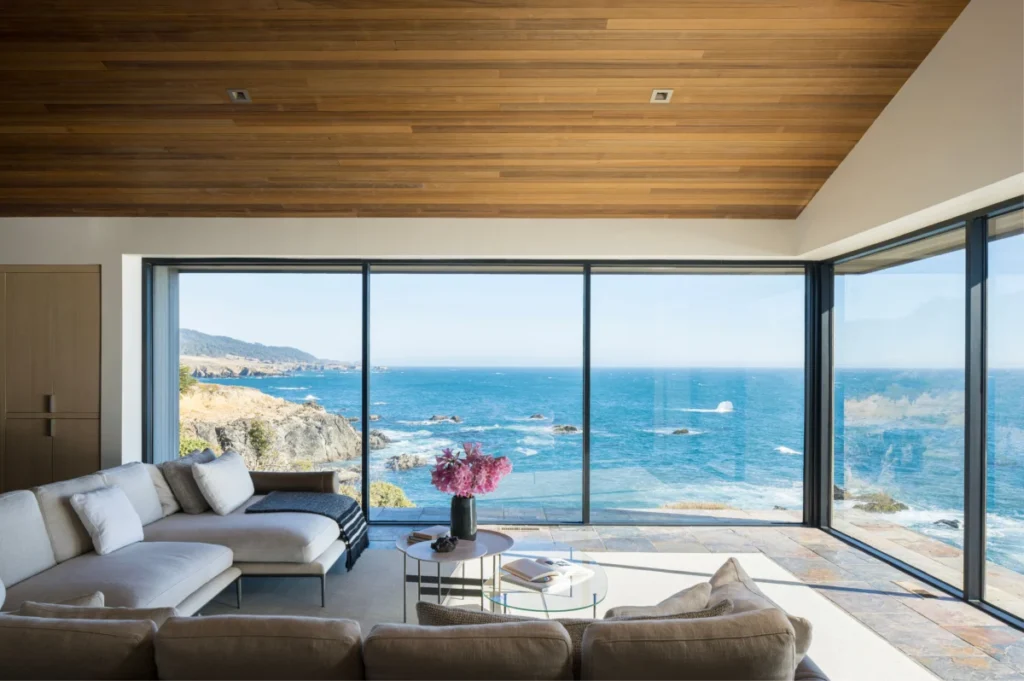
In a recent project in Sea Ranch, California, Reddy’s firm demonstrated this by swapping the traditional locations of the bedroom and living room. By capitalizing on Pacific Ocean vistas and creating a more intentional entry sequence, the design prioritized visual grounding and environmental connection. The result is a layout that fosters a sense of psychological well-being, which research suggests is a primary indicator of physical longevity.
The Rise of the Domestic Wellness Suite
As "biohacking" and proactive health management move into the mainstream, homeowners are increasingly requesting dedicated wellness spaces. However, the efficacy of these spaces depends entirely on their proximity to daily routines. Dr. Chellam notes that habits like sauna use and contrast therapy (alternating between heat and cold) are only sustainable if they are integrated into the floor plan with "adjacency" in mind.
A sauna placed near the primary bathroom, for instance, is far more likely to be used regularly than one tucked away in a remote part of the house. Similarly, the placement of a cold plunge pool must be strategic. Because contrast therapy is energizing, it is best performed earlier in the day; placing these facilities near morning transition areas—such as a home gym or a breakfast nook—aligns the physical practice with the body’s natural energy peaks.
The chronology of home gym design has also shifted. Historically, fitness equipment was relegated to windowless basements, often leading to abandonment of exercise routines. Today’s longevity-focused floor plans treat the fitness area as a central mezzanine or a light-filled pavilion. Sally Augustin, PhD, a psychologist at Design with Science, explains that a visible workout area provides a "nonverbal signal" that guides behavior. When a treadmill or yoga studio is in the direct line of sight between the bedroom and the kitchen, it remains "top of mind," making the choice to exercise a path of least resistance rather than a chore.

Metabolic Health and the "Aired Out" Kitchen
The kitchen is perhaps the most complex area of the home when designing for longevity, as it must balance functionality with air quality and behavioral psychology. Research from the Harvard T.H. Chan School of Public Health has highlighted that indoor air can be two to five times more polluted than outdoor air, largely due to cooking emissions. Nitrogen dioxide and particulate matter from gas ranges are significant contributors to respiratory issues and systemic inflammation.
Architect Suchi Reddy advocates for putting as much distance as possible between cooking areas and sleeping quarters to protect air quality in rest zones. Furthermore, modern floor plans are increasingly incorporating high-performance mechanical ventilation and induction cooktops as standard features for longevity.
Beyond air quality, the kitchen layout can be used to nudge inhabitants toward healthier eating habits. Lisa Sternfeld recommends "behavioral design" elements, such as shallow produce storage and breathable pantry zones that keep fresh, whole foods visible. When healthy ingredients are within easy reach and visually apparent, the brain is more likely to select them over processed options hidden in deep cupboards. The addition of a "potager" or kitchen garden directly accessible from the cooking area further encourages the use of hyper-local, nutrient-dense ingredients while providing a restorative connection to nature.
The Economic and Social Implications of Wellness Architecture
The shift toward longevity-focused design is not merely a trend for the ultra-wealthy; it represents a broader change in the valuation of real estate. Data from the American Society of Interior Designers (ASID) suggests that homes with integrated wellness features—such as advanced air filtration, circadian lighting, and non-toxic materials—command a premium in the market and sell faster than traditional homes.

Furthermore, this movement has significant implications for public health. As the global population ages, the "Age-in-Place" movement is gaining momentum. Floor plans that prioritize accessibility, natural light, and cognitive ease allow older adults to maintain independence longer, reducing the burden on healthcare systems. The integration of "soft" wellness features, such as biophilic elements and acoustic dampening, has been shown to reduce the symptoms of dementia and cognitive decline.
From a structural perspective, the industry is seeing a move toward more flexible, modular floor plans. The pavilion-style home in Venice, California, by Curious Minds Los Angeles, exemplifies this. By organizing the home as a series of connected pavilions, the architects maximized access to light and air for every room, creating a template for urban living that prioritizes biological needs over maximum square footage.
A New Standard for Residential Design
The convergence of architecture, neuroscience, and medicine is creating a new standard for what constitutes a "well-designed" home. It is no longer enough for a house to be beautiful; it must be a functional partner in the inhabitant’s health journey. By treating the floor plan as a tool for behavioral architecture, designers can create environments that naturally encourage movement, foster deep sleep, and reduce the physiological impact of stress.
As we look toward the future of residential development, the focus will likely continue to shift away from superficial amenities and toward the fundamental qualities of the built environment. The "longevity home" is not a house filled with gadgets, but a house designed with an intimate understanding of human biology. In the words of Suchi Reddy, "The less load your environment puts on you, the less you have to fight against it in order to survive." In the pursuit of a long and healthy life, the floor plan may well be the most important prescription a person can receive.