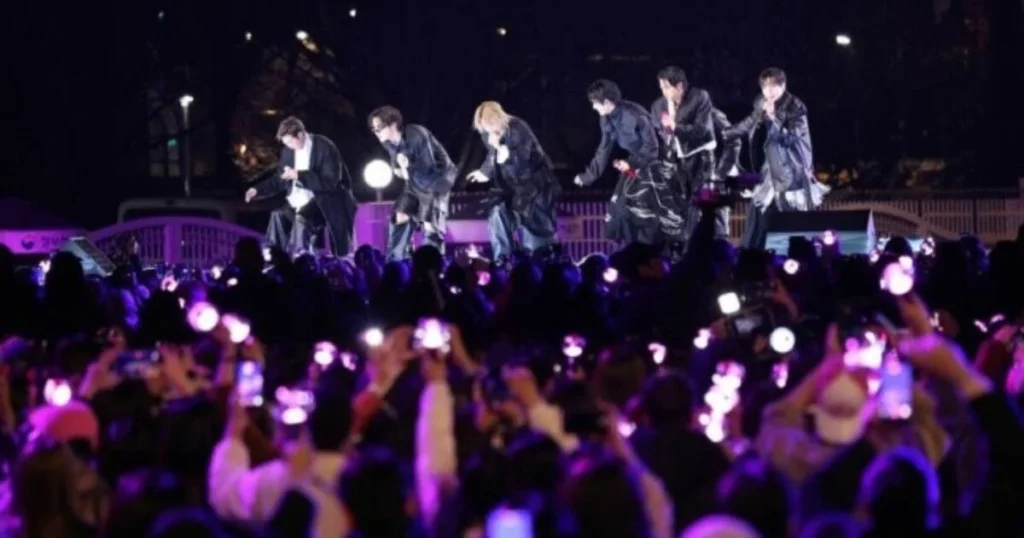

The landscape of the global K-pop phenomenon is undergoing a significant demographic transformation, as evidenced by recent data surrounding BTS’s latest comeback event. On March 21, 2026, the heart of Seoul was transformed into a sea of purple as BTS held a massive comeback concert at Gwanghwamun Square. While the event was a celebration of the group’s enduring legacy and their continued activity nearly 13 years after their debut, the most striking revelation came not from the stage, but from the analytical data regarding who was in the audience. According to a comprehensive report by the data technology company IGAWorks, the core demographic of the BTS fandom has shifted from the youth-centric base of the early 2010s to a more mature, middle-aged audience. The findings suggest that the "ARMY" (BTS’s official fandom) is aging alongside the artists, creating a multi-generational cultural force with unprecedented economic influence.
The statistical analysis provided by IGAWorks focused on the geographical area within a one-kilometer radius of Gwanghwamun between the hours of 5:00 PM and 10:00 PM on the day of the concert. During this five-hour window, a total of 163,964 individuals were identified within the designated zone. To ensure the accuracy of the data in reflecting concert-goers rather than local commuters, the analysis utilized mobile data and location information while specifically excluding users whose primary daily activity area is registered in the Jongno District. This methodology allowed researchers to isolate visitors who traveled specifically for the event, providing a clearer picture of the fandom’s composition.
A Nationwide Draw and Geographic Diversity
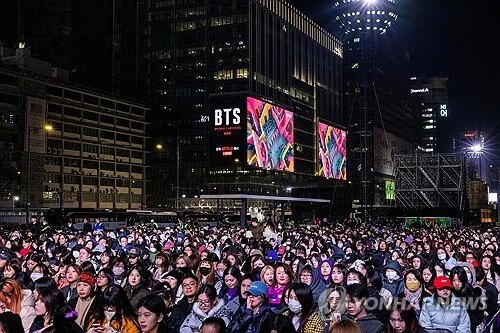
One of the most notable aspects of the attendance data was the scale of domestic travel involved. Of the total attendees, 41,570 were identified as residents from outside the Seoul metropolitan area. This figure indicates that approximately 25% of the crowd traveled from provincial regions to witness the comeback in the capital. The influx of tens of thousands of people from across South Korea highlights the "event tourism" power that BTS continues to wield. The logistical pressure of such a gathering necessitated significant police control and crowd management protocols, which further reinforced the conclusion that the vast majority of the 163,964 people in the area were there specifically for the BTS performance or related festivities.
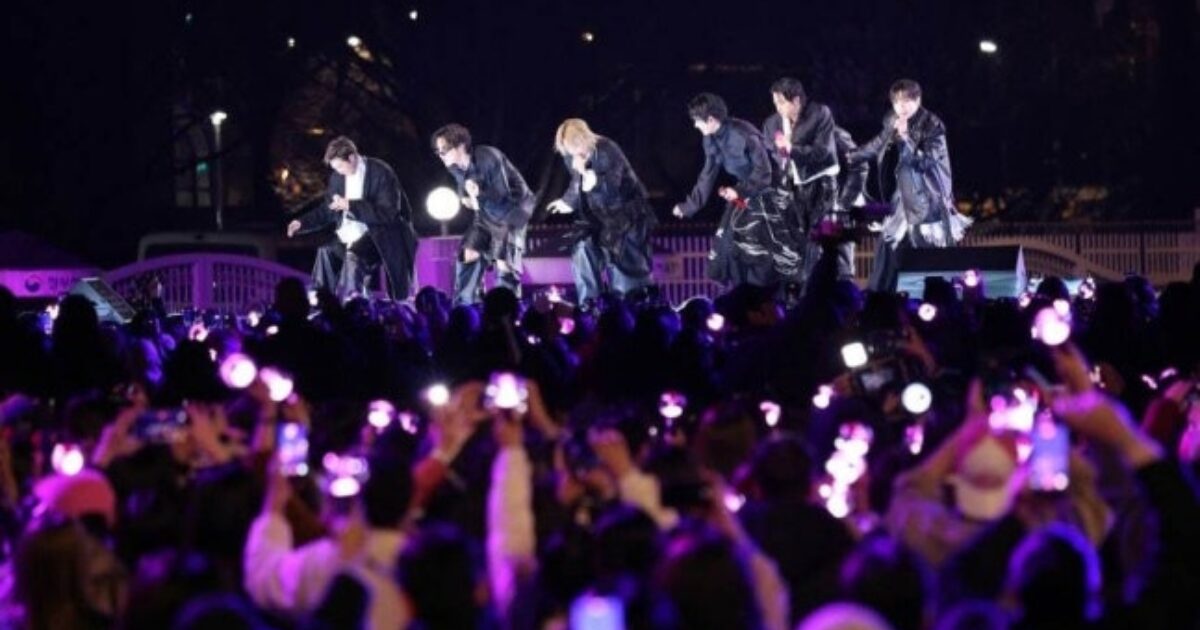
The concentration of visitors in Gwanghwamun—a site of historical and political significance in Korea—further underscored the group’s status as a national cultural icon. The ability to draw over 160,000 people to a single outdoor urban center for a comeback showcase remains a feat rarely seen in the global music industry, particularly for a group entering its second decade of activity.
The Rise of the 40s and 50s Demographic
The most surprising revelation from the IGAWorks report was the age distribution of the attendees. For years, K-pop was stigmatized as a genre exclusively for teenagers and young adults in their early 20s. However, the Gwanghwamun data tells a different story. Women in their 40s emerged as the single largest demographic group, accounting for 21.79% of the total visitors. When combined with men in their 40s, who made up 13.30% of the crowd, the 40s age group represented over a third of the entire audience.
The trend of maturity continued into the 50s and 30s brackets. Women in their 50s accounted for 12.15% of the attendance, narrowly surpassing women in their 30s, who made up 12.05%. Collectively, individuals between the ages of 30 and 59 formed the overwhelming core of the event’s demographic. In contrast, the proportion of attendees in their teens and 20s was significantly lower than historical K-pop averages. While women still outnumbered men across all age groups, the participation of men in their 30s, 40s, and 50s was notably higher than in previous years, suggesting that BTS’s message of "Love Yourself" and their exploration of adulthood has resonated deeply with male listeners as well.
The 13-Year Evolution: From Youth to Maturity
Industry analysts point to the timeline of BTS’s career as a primary factor in this demographic shift. Having debuted in June 2013, BTS is now approaching their 13th anniversary. A fan who was 20 years old at the time of the group’s debut is now 33. A fan who discovered the group during their global "Love Yourself" era in 2017 while in their mid-30s is now in their mid-40s. This "aging up" of the fandom is a natural progression, but it also reflects the group’s ability to retain their audience over a long period—a rarity in the fast-paced K-pop industry where groups often face a "seven-year itch" or declining relevance after their initial peak.
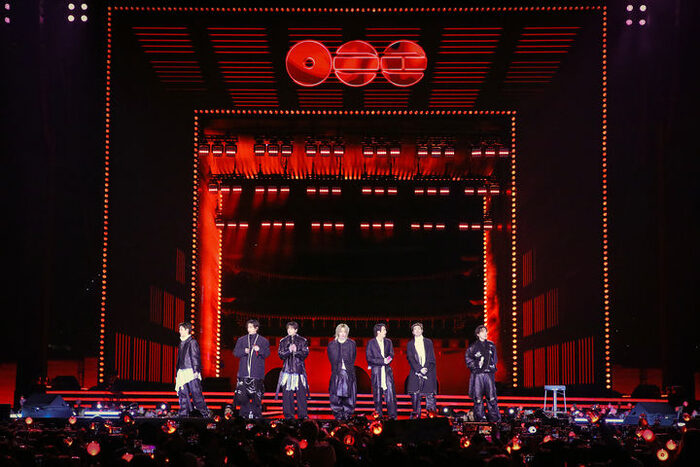
Furthermore, the period between 2023 and 2025, which saw the members of BTS fulfill their mandatory South Korean military service, acted as a transitional phase. During this time, the fandom matured, and the anticipation for a full-group comeback in 2026 reached a fever pitch. The Gwanghwamun concert served as a symbolic homecoming, attracting those who had followed the group’s journey from "bulletproof boy scouts" to global diplomats and seasoned artists.
Economic Implications and Spending Power
The shift toward an older demographic carries profound implications for the cultural industry and the broader South Korean economy. Fans in their 30s, 40s, and 50s generally possess significantly higher disposable income and spending power than students or early-career professionals in their teens and 20s. This economic reality is expected to reshape how K-pop content is marketed and sold.
Industry experts anticipate a surge in demand for premium concert experiences, high-quality merchandise, and exclusive content. While younger fans are often credited with driving social media engagement and digital streaming numbers, older fans are more likely to invest in physical albums, expensive "VVIP" concert tickets, and luxury brand collaborations associated with the group members. "The BTS fandom is no longer limited to a specific age group and is expanding across all generations," commented an industry official. "This shift is likely to influence not only the concert market but also the structure of content consumption in the future. We are seeing a move toward ‘lifestyle fandom,’ where the music is just one part of a broader consumer relationship."
Public Reaction and Internal Critique
The release of the IGAWorks statistics sparked a lively debate across online communities and social media platforms. On the popular Korean forum theqoo, netizens expressed shock at the high percentage of middle-aged attendees. Some users noted that the BTS fandom now appears "older" than those of many third-generation idol groups, which typically maintain a younger fan base.
However, the data also invited criticism toward HYBE, the parent company of BTS’s label, Big Hit Music. A portion of the online community expressed concern that the company was not doing enough to recruit younger fans, potentially leading to a long-term decline in the group’s "trendiness." "If the fandom continues to age without a fresh influx of younger listeners, the group risks becoming a ‘nostalgia act’ rather than a contemporary force," one commenter noted. Others defended the statistics, arguing that the presence of older fans is a testament to the depth and longevity of BTS’s artistry, which transcends the "disposable" nature of typical pop music.
The Future of Multi-Generational Fandoms
The Gwanghwamun comeback concert may be a harbinger of a new era in the global music industry. As K-pop matures as a genre, other groups may follow in BTS’s footsteps, maintaining a loyal audience that grows with them. This phenomenon mirrors the career trajectories of legendary Western acts like U2, The Rolling Stones, or Elton John, whose concerts attract multi-generational crowds ranging from grandchildren to grandparents.
For BTS, the data confirms their status as a "national group" in South Korea. Their music, which often touches on themes of societal pressure, mental health, and the search for meaning in adulthood, has successfully bridged the gap between generations. The IGAWorks report concludes that the purpose of the analysis was not merely to measure the size of the crowd, but to understand the evolving characteristics and movement patterns of modern consumers.
As BTS continues their 2026 activities, the industry will be watching closely to see how HYBE and other major labels adapt to this "silver economy" within the K-pop space. The Gwanghwamun data proves that the power of the "Purple Ribbon" is no longer just a teenage craze; it is a sophisticated, high-spending, and deeply loyal demographic that is redefining what it means to be a fan in the 21st century. The legacy of BTS is being rewritten not just by the records they break, but by the diverse and maturing community that continues to stand by them over a decade into their career.