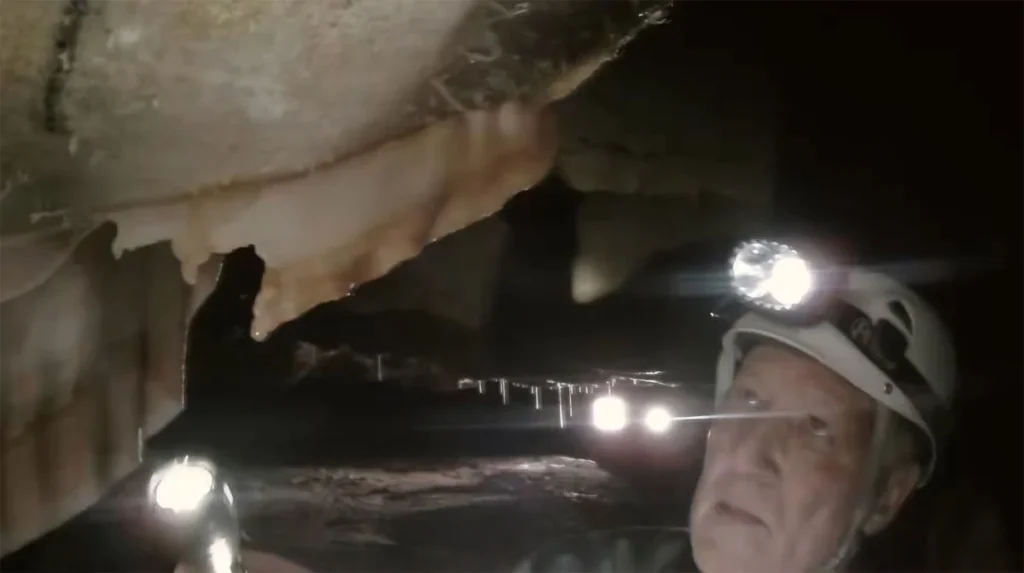

IFC is set to re-release Werner Herzog’s seminal 2010 documentary, Cave of Forgotten Dreams, in a breathtaking 6K restoration, offering audiences a chance to experience the earliest known human artwork as never before. The critically acclaimed film, initially lauded for its groundbreaking 3D cinematography and unprecedented access to France’s Chauvet Cave, will return to select theaters on April 15th and 19th, 2026, with a wider digital release scheduled for April 21st. This marks a significant event, bringing a masterpiece of cinematic anthropology and art history back to the forefront, fifteen years after its initial theatrical run.
The re-release is not merely a revival but a technological leap forward. The new 6K restoration promises to elevate the visual fidelity of the documentary, enhancing the intricate details of the Paleolithic paintings that have remained preserved for over 30,000 years. This meticulous restoration, spearheaded by digital restoration artist Paul Marengo and 3D Pablo artist Murray Wren, aims to immerse viewers in the "mysterious natural cathedral" of Chauvet Cave with a clarity and depth that was unimaginable during the film’s original release. The restoration for IMAX further signifies a commitment to delivering a powerful, large-screen cinematic event, underscoring the enduring impact and artistic merit of Herzog’s vision.
A Glimpse into Humanity’s Dawn
Cave of Forgotten Dreams chronicles Werner Herzog’s extraordinary journey into the Chauvet Cave in the Ardèche region of Southern France. Discovered in 1994, the cave contains an unparalleled collection of prehistoric art, including depictions of animals such as lions, rhinos, bears, and horses, dating back to the Aurignacian period, approximately 30,000 to 32,000 years ago. The sheer age and pristine condition of these artworks make them invaluable windows into the cognitive and artistic capabilities of early humans.

Herzog, known for his distinctive cinematic style and profound philosophical inquiries, was granted exceptionally rare permission by the French government to film within the cave. This access was highly restricted due to the need for stringent preservation measures. At the time of filming, fewer people had entered the Chauvet Cave than had walked on the moon, a testament to its protected status and the profound significance of its contents. Herzog and a minimal crew of four utilized custom-built, small-format digital cameras to navigate the delicate environment without compromising the cave’s integrity. The resulting footage captured not only the ancient art but also the awe-inspiring geological formations of the cave itself, creating a profound juxtaposition of natural and human-made wonders.
The Chronology of a Cinematic Achievement
The journey of Cave of Forgotten Dreams began with its discovery and subsequent recognition of its immense scientific and artistic value.
- December 18, 1994: Chauvet Cave is discovered by three speleologists: Jean-Marie Chauvet, Éliette Brunel Deschamps, and Christian Hillaire.
- 1995 onwards: Initial research and dating of the cave art begin, revealing its extraordinary age. Access is severely restricted to protect the site.
- 2010: Werner Herzog, a filmmaker renowned for his documentaries exploring the human condition and the natural world, is granted unprecedented access to film within Chauvet Cave. He assembles a small crew and utilizes specialized equipment to capture the cave’s art and environment.
- September 2010: Cave of Forgotten Dreams premieres at the Toronto International Film Festival (TIFF), generating significant buzz for its subject matter and Herzog’s masterful direction.
- April 8, 2011: The documentary is released theatrically in the United States, widely praised by critics for its visual splendor, intellectual depth, and unique 3D presentation. It garners numerous awards and accolades, solidifying its place as a landmark documentary.
- March 27, 2026: IFC announces a forthcoming 6K restoration and re-release of Cave of Forgotten Dreams, highlighting the enhanced visual quality and the return to theatrical exhibition.
- April 15 & 19, 2026: The restored film is scheduled for limited theatrical screenings in IMAX format.
- April 21, 2026: The 6K restored version becomes available for wider digital viewing.
This timeline underscores the long gestation of the film’s appreciation and the significant effort involved in its preservation and re-presentation to a new generation of viewers.
Supporting Data and Scientific Context
The significance of the Chauvet Cave art extends far beyond its aesthetic appeal. Scientific dating methods, including radiocarbon dating, have placed the creation of the majority of the artwork between 30,000 and 32,000 years ago, with some elements possibly dating as far back as 36,000 years. This places the art within the Upper Paleolithic period, a time of profound human innovation and migration across Europe.

The paintings themselves offer a fascinating insight into the worldview of these early humans. The detailed renderings of animals, often depicted with a remarkable sense of movement and anatomical accuracy, suggest a deep understanding of the natural world and a sophisticated level of observation. The use of perspective and shading, as well as the integration of the art with the cave’s natural contours, demonstrates a level of artistic skill that challenges previous assumptions about the capabilities of prehistoric peoples.
The cave’s unique geological composition, particularly its high content of calcite, has contributed to the exceptional preservation of the artwork. The absence of significant human habitation within the cave after its initial use further protected the paintings from the detrimental effects of smoke, pollution, and physical disturbance. This natural preservation, combined with the strict conservation protocols implemented during and after the discovery, has allowed the art to survive in a state of remarkable clarity.
The documentary’s exploration of these artworks is enhanced by Herzog’s characteristic philosophical musings. He often juxtaposes the ancient art with modern scientific endeavors, probing questions about humanity’s place in the universe, the nature of consciousness, and the enduring impulse to create and document. The film’s title itself, Cave of Forgotten Dreams, alludes to the lost narratives and forgotten aspirations of our distant ancestors, whose artistic expressions offer a tangible connection to their inner lives.
Official Responses and Industry Reactions
While specific official statements from IFC regarding the 2026 re-release were not detailed in the original report, the decision to invest in a high-definition restoration and theatrical re-release strongly suggests a belief in the film’s continued cultural and commercial relevance. IFC, a distributor known for its commitment to independent and art-house cinema, recognizes the enduring appeal of Werner Herzog’s work and the unique value proposition of Cave of Forgotten Dreams.

Industry analysts would likely view this re-release as a strategic move to capitalize on the growing market for restored classics and premium cinematic experiences, particularly with the IMAX format. The timing, coinciding with a period where audiences may be seeking profound and visually spectacular content, further bolsters this interpretation. The appeal of a documentary that offers both historical significance and cutting-edge visual technology is considerable.
Furthermore, the re-release serves as a powerful reminder of the importance of preserving and re-exhibiting cinematic heritage. In an era dominated by streaming and ephemeral digital content, theatrical re-releases of restored films offer a crucial opportunity for audiences to engage with cinematic history on a grand scale, appreciating the artistry and technical achievements of past productions.
Broader Impact and Implications
The 6K restoration and re-release of Cave of Forgotten Dreams carries several significant implications:
- Enhanced Appreciation of Prehistoric Art: The improved visual fidelity will allow audiences to discern finer details in the Chauvet Cave paintings, fostering a deeper understanding and appreciation of the skill and intent of Paleolithic artists. This could spark renewed interest in archaeology, anthropology, and art history among the general public.
- Revival of 3D Cinema: While 3D cinema has had a fluctuating history, the original release of Cave of Forgotten Dreams was celebrated for its masterful and immersive use of the technology. This re-release, particularly in IMAX 3D, could reignite interest in the artistic potential of 3D filmmaking, showcasing its ability to enhance documentaries and immersive storytelling.
- Werner Herzog’s Enduring Legacy: This re-release solidifies Werner Herzog’s position as one of the most vital and influential documentary filmmakers of all time. It provides a platform for his profound observations on humanity and nature to reach new audiences and be re-evaluated by long-time admirers. His prolific career, marked by a consistent output of thought-provoking films, continues to inspire and challenge.
- The Importance of Film Preservation: The effort to restore and re-release Cave of Forgotten Dreams highlights the critical need for ongoing investment in film preservation. Such initiatives ensure that cinematic masterpieces are not lost to time but are made accessible to future generations, offering invaluable insights into culture, history, and the human experience.
- A Cinematic Event for a New Era: By bringing this film back to the big screen, especially in a premium format like IMAX, IFC is curating a distinct cinematic event. This encourages communal viewing experiences and offers an antidote to the solitary nature of much contemporary media consumption. The invitation to "Go see it on the big screen! Do not miss it" from the original report underscores this intent to create a must-see cultural moment.
In essence, the re-release of Cave of Forgotten Dreams is more than just a screening of an old film; it is an invitation to connect with the very origins of human creativity and consciousness, presented with the technological advancements that allow us to see and understand this ancient legacy with unprecedented clarity. It is a testament to the enduring power of art, the relentless curiosity of the human spirit, and the visionary artistry of Werner Herzog.