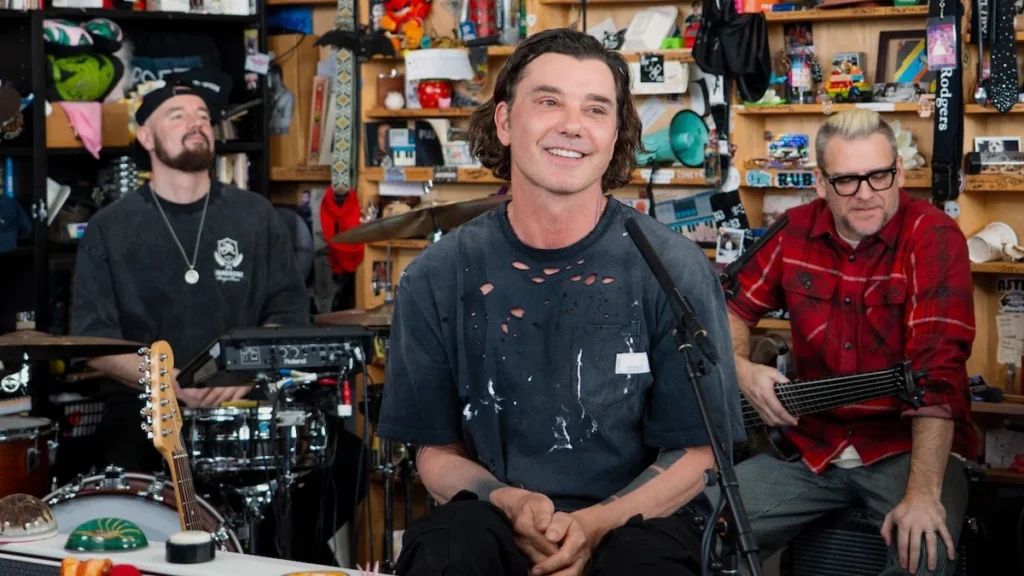

The Tiny Desk Phenomenon: A Platform for Reimagination
NPR’s Tiny Desk Concert series has, since its inception in 2007, evolved from a spontaneous office jam session into a global cultural phenomenon, celebrated for its unique ability to present artists in an unadorned, intimate setting. What began with a casual performance by folk singer Laura Gibson at the desk of All Songs Considered host Bob Boilen, frustrated by a noisy club concert experience, has blossomed into a revered platform. The series’ premise is deceptively simple: artists perform acoustically or semi-acoustically at Boilen’s desk in the NPR office, surrounded by shelves of CDs and office ephemera. This informal backdrop, however, fosters an unparalleled sense of connection and authenticity between the artist and the audience, both in the room and, crucially, through the millions of views garnered on YouTube.
The success of Tiny Desk lies in its radical departure from conventional concert experiences or heavily produced music videos. It demands a different kind of performance, one that often necessitates reimagining existing material or debuting new songs in a raw, vulnerable state. This format has proven to be a powerful equalizer, bringing together an incredibly diverse array of musicians—from burgeoning indie artists to Grammy-winning superstars across genres like hip-hop, jazz, classical, folk, and rock. Notable past performances include Adele, Taylor Swift, Mac Miller, Anderson .Paak, and The National, each contributing to the series’ reputation as a crucible for artistic integrity and unexpected reinterpretations. For many artists, a Tiny Desk appearance offers an opportunity to connect with new demographics, reintroduce their music to existing fans, and demonstrate their musical prowess beyond studio polish. The series averages hundreds of millions of views annually, making it an invaluable promotional and artistic vehicle in the modern music landscape, fostering a unique blend of critical acclaim and widespread popular appeal.
Bush’s Enduring Legacy: From Grunge Ascendancy to Modern Reinvention
Bush emerged onto the global music scene in the mid-1990s, quickly establishing themselves as one of the defining bands of the post-grunge era. Their meteoric rise was spearheaded by their 1994 debut album, Sixteen Stone, which became a multi-platinum success, selling over six million copies in the United States alone. The album, a potent blend of melodic hooks, brooding lyrics, and powerful guitar riffs, spawned a string of hit singles that became anthems for a generation, including "Comedown," "Glycerine," "Machinehead," and "Little Things." Sixteen Stone resonated deeply with audiences navigating the cultural shifts following the peak of grunge, offering a more accessible yet still emotionally charged alternative rock sound. The band, fronted by the charismatic Gavin Rossdale, was often compared to Nirvana and Pearl Jam, yet they carved out their own distinct identity with a more polished production and a sound that leaned into atmospheric textures while retaining raw energy.
Following their explosive debut, Bush continued to build on their success with subsequent albums. Razorblade Suitcase (1996), produced by Steve Albini, debuted at number one on the Billboard 200, showcasing a grittier, more raw sound that pleased critics and fans alike. Albums like The Science of Things (1999) and Golden State (2001) continued to evolve their sonic palette, exploring electronic elements and expanding their lyrical themes. "Out of This World," featured in the Tiny Desk set, hails from Golden State, representing a period where the band was experimenting with broader musical textures while maintaining their signature introspective lyrical style. Despite a hiatus that began in 2002, the band reunited in 2010 and has since released a consistent stream of new material, including The Sea of Memories (2011), Man on the Run (2014), Black and White Rainbows (2017), and The Kingdom (2020). Their most recent offering, the 2025 album I Beat Loneliness, marks a fresh chapter, demonstrating the band’s continued creative vitality and willingness to explore new sonic territories. The title track from this album closed out their Tiny Desk set, serving as both a nod to their current artistic direction and a bridge to their storied past.
The band’s longevity can be attributed to several factors: Rossdale’s distinctive vocal delivery and poignant songwriting, the consistent musicianship of the lineup, and their ability to adapt while staying true to their core identity. Their career trajectory, marked by peaks of commercial success, periods of introspection, and triumphant returns, positions them uniquely to leverage platforms like Tiny Desk. It allows them to demonstrate their artistic evolution and the enduring quality of their catalog to both long-time devotees and a new generation of listeners who may be discovering their music for the first time.
A Transformative Performance: Deconstructing the Bush Sound
The Bush Tiny Desk performance was a masterclass in reinterpretation, a deliberate act of deconstruction that unveiled the skeletal beauty of their compositions. The band consciously moved away from the stadium-rock grandeur and the dense, distorted textures typically associated with their post-grunge sound. Instead, they embraced an "atmospheric ambiance," characterized by prominent reverb, subtle noise elements, and a spacious arrangement that allowed each instrument and vocal nuance to breathe. This stylistic pivot was not merely a reduction but a sophisticated re-orchestration, highlighting the melodic ingenuity and lyrical depth that have always been the bedrock of Bush’s appeal.
The setlist thoughtfully spanned their career, showcasing how this new approach could equally illuminate classic hits and introduce new material. "Machinehead," one of their most recognizable anthems from Sixteen Stone, was transformed. Stripped of its driving, distorted guitar riff, the song’s underlying rhythmic complexity and Rossdale’s urgent vocal delivery took center stage. The atmospheric treatment allowed the lyrical narrative of alienation and searching for identity to resonate with a newfound intimacy, proving that the song’s power extends beyond its original sonic aggressive facade.
Perhaps the most striking moment of the entire performance, and indeed one that quickly became a talking point among viewers, was the rendition of "Glycerine." Already a tender ballad in its original form, the Tiny Desk version elevated its vulnerability to an extraordinary degree. Central to this transformation was an extended a cappella stretch in the middle of the song. With the instrumentation falling away, Rossdale’s voice, raw and unadorned, carried the emotional weight of the lyrics, rendering the already poignant narrative of fragile love and loss even more spare and open. This segment demonstrated a profound trust in the song’s melodic and lyrical integrity, a bold move that paid off by deepening the emotional connection with the audience. It was a testament to the fact that great songwriting transcends genre and arrangement.
"Out of This World," from the 2001 album Golden State, benefited immensely from the intimate setting. The original track featured a more expansive, almost space-rock quality, but the Tiny Desk version brought its melancholic beauty into sharper focus. The delicate interplay between Chris Traynor’s guitar textures and Joshy Soul’s keyboard contributions created a sonic tapestry that felt both ethereal and grounded. This performance underscored the song’s sophisticated harmonic structure and its evocative imagery, proving its enduring relevance within the band’s catalog.
The set concluded with the title track from their most recent album, 2025’s I Beat Loneliness. Introducing new material in such a stripped-down, exposed format is a deliberate choice for any band, and for Bush, it was a declaration of artistic confidence. The atmospheric arrangement allowed the song’s lyrical themes and melodic contours to be immediately accessible, setting a precedent for how this new material might be received and interpreted. It demonstrated that even their freshest compositions possess the inherent "songwriting bones" to withstand a radical recontextualization, signaling a continued commitment to both evolution and authenticity.
The synergy within the band was palpable throughout the performance. Gavin Rossdale’s vocals, often characterized by their gravelly tenderness and powerful range, adapted effortlessly to the quieter dynamics. Chris Traynor’s guitar work, usually a powerhouse of riffs and solos, here showcased a nuanced understanding of texture and space, using effects to build ambiance rather than brute force. Corey Britz’s bass lines provided a subtle yet firm foundation, while Nik Hughes’ drumming was restrained and precise, serving the song’s emotional core rather than driving it with overt power. Joshy Soul’s keyboard contributions were crucial in crafting the overarching atmospheric sound, adding layers of depth and ethereal beauty that rounded out the ensemble’s reimagined sound. This collective effort highlighted not just individual talent, but the cohesive artistic vision that continues to define Bush.
The Strategic Timing: Album Promotion and Tour Launch
The timing of Bush’s Tiny Desk Concert was meticulously strategic, serving as a powerful promotional launchpad for two significant forthcoming endeavors: their 2025 album I Beat Loneliness and their extensive North American tour scheduled for the same year. In an increasingly fragmented media landscape, a high-profile appearance on a platform like Tiny Desk offers an unparalleled opportunity to generate buzz and reach a diverse, engaged audience.
The decision to feature the title track from I Beat Loneliness prominently in the set was a calculated move. By introducing this new material in an intimate, highly shareable format, Bush provided fans with an early, compelling glimpse into their latest creative output. This direct exposure, bypassing traditional radio or music video premieres, allows for an immediate and authentic connection with listeners, fostering anticipation for the full album release. The atmospheric reinterpretation of their sound on Tiny Desk also suggests a potential sonic direction for the new record, or at least demonstrates the versatility of its compositions.
Furthermore, the Tiny Desk performance served as an ideal prelude to their upcoming North American tour. Supported by acclaimed acts Mammoth and James and the Cold Gun, the tour is poised to bring Bush’s dynamic live show to stages across the continent. Announcing the tour dates and ticket availability shortly after or concurrent with the Tiny Desk release creates a direct pathway from newfound interest to tangible engagement. Viewers, particularly those who might be rediscovering Bush or encountering them for the first time, are immediately presented with the opportunity to experience the band’s full energy in a live concert setting. This synergy between digital content and live performance is a cornerstone of modern music marketing, leveraging the viral potential of online platforms to drive real-world attendance and album sales. The Tiny Desk concert effectively acts as a high-quality, long-form commercial, showcasing the band’s current artistic vitality and providing a compelling reason for fans to purchase tickets and explore their new music.
Broader Implications and Industry Impact
Bush’s Tiny Desk Concert carries several broader implications for the band, the NPR series, and the wider music industry. For Bush, the performance serves as a powerful testament to their artistic longevity and their willingness to evolve. By reimagining their classic tracks and debuting new material in such a stripped-down format, they reinforce their status as serious musicians whose work stands up to intense scrutiny. This move can attract a new generation of listeners who appreciate the authenticity and intimacy of the Tiny Desk platform, potentially expanding their fanbase beyond their traditional demographic. It also offers a fresh perspective for long-time fans, reigniting their appreciation for the band’s songwriting prowess and showcasing their enduring creative spirit. Critically, it could lead to renewed interest from music critics and industry observers, prompting a reevaluation of their contributions to alternative rock.
For NPR’s Tiny Desk Concert series, the inclusion of a band like Bush underscores its continued relevance and its ability to attract acts from diverse eras and genres. By featuring established rock veterans alongside contemporary artists, Tiny Desk maintains its reputation as a democratic and influential platform. It demonstrates that the series is not solely focused on emerging talent but also provides a vital space for seasoned artists to present their work in a new light, thereby enriching the cultural tapestry of the series itself. The widespread positive reception to such a transformative performance only solidifies Tiny Desk’s standing as a premier destination for intimate musical experiences.
More broadly, this performance highlights the enduring power of live, authentic music in an increasingly digital and often overproduced landscape. It reinforces the idea that the core essence of a song—its melody, lyrics, and emotional resonance—can transcend its original arrangement. In an era where streaming dominates and attention spans are fleeting, performances like Bush’s Tiny Desk appearance remind the industry and consumers alike of the profound impact of raw musical talent and the art of reinterpretation. It suggests that established bands can find new avenues for expression and connection by embracing platforms that prioritize intimacy and artistic vulnerability, thereby extending their careers and inspiring new creative directions across the industry.
Audience Reception and Critical Acclaim
While direct, aggregated audience reactions and formal critical reviews are still unfolding, the general sentiment surrounding Tiny Desk Concerts offers strong indicators of how Bush’s performance is being received. Historically, Tiny Desk performances that feature significant reinterpretations of an artist’s catalog tend to garner widespread praise for their bravery and artistry. Fans often express delight at hearing familiar songs in a new light, while newcomers are often impressed by the raw talent on display.
Early indications from social media and online forums suggest a largely positive response to Bush’s set. Viewers are particularly highlighting the "Glycerine" a cappella segment as a moment of profound vulnerability and musical excellence, reinforcing the power of Rossdale’s songwriting. The atmospheric re-imagining of "Machinehead" has also been commended for showcasing the song’s underlying strength. Industry observers are likely to laud the band’s strategic use of the platform to promote their new album and tour, recognizing it as a savvy move that speaks to their continued relevance and adaptability. This performance is expected to generate significant discussion about Bush’s evolution and their enduring legacy, further solidifying their place in the annals of rock music.
In conclusion, Bush’s appearance on NPR’s Tiny Desk Concert is more than just another performance; it is a meticulously crafted artistic statement. By consciously shedding the aggressive sonic identity of their past for an atmospheric, intimate reinterpretation, the band not only showcased the timeless quality of their songwriting but also demonstrated a remarkable capacity for reinvention. This powerful performance, strategically timed with their new album and upcoming tour, serves as a pivotal moment, re-energizing their fanbase, engaging new listeners, and reaffirming Bush’s status as a dynamic and enduring force in the global music landscape.