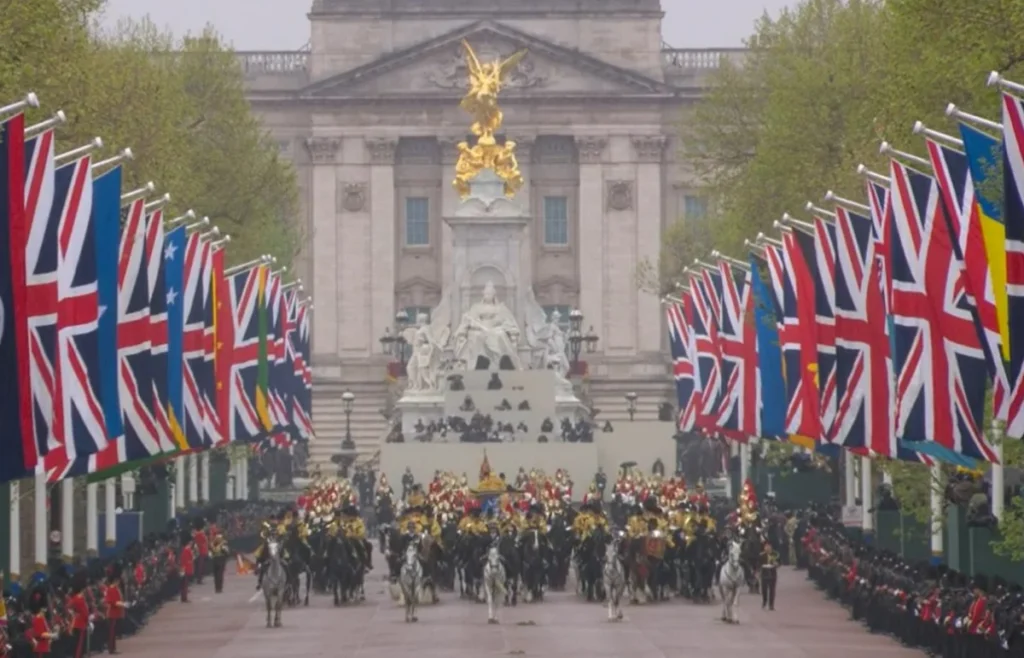

Buckingham Palace is reportedly expressing significant concern following the revelation of substantial staff reductions within the BBC’s dedicated Events team, a unit instrumental in broadcasting some of the United Kingdom’s most pivotal royal occasions. The decision, which has come to light in recent days, sees the team responsible for covering major national events, particularly those involving the Royal Family, facing a drastic downsizing. This move raises questions about the future quality and prominence of coverage for significant royal milestones and unexpected national moments of mourning.
A Drastic Reduction in Expertise
The core of the BBC’s Events team, which has historically been responsible for delivering comprehensive and high-profile coverage of key royal moments, is set to be reduced from six full-time staff members to just one. This single individual will be Claire Popplewell, a highly decorated journalist and producer who has been at the forefront of many of the team’s most significant broadcasts. Popplewell’s extensive experience and award-winning work have cemented her reputation in covering complex and sensitive events.
In recent years, the BBC Events team has been at the helm of broadcasting some of the most historically significant moments for the British monarchy and the nation. This includes the funeral of Her Majesty Queen Elizabeth II, a period of national mourning that captivated the world, and the recent Coronation of His Majesty King Charles III, an event steeped in tradition and pageantry. Furthermore, the team has been responsible for broadcasting other major royal celebrations, such as the wedding of the Prince and Princess of Wales, events that draw immense public attention both domestically and internationally.
The BBC, in its defence of the cuts, has stated that it is standard practice to engage a wide array of freelance staff to supplement full-time teams during large-scale events. This approach, they argue, allows for flexibility and the scaling of resources according to the demands of specific broadcasts. However, the significant reduction in permanent staff, particularly those with specialized knowledge of royal protocol and event management, has sparked apprehension.
Concerns Over Coverage of Unforeseen Events
The primary concern voiced by Buckingham Palace, and echoed by royal commentators, centres on the BBC’s capacity to adequately cover unforeseen and highly demanding events. The year 2022 served as a stark reminder of this vulnerability, with the nation embarking on an extended period of mourning following the passing of Queen Elizabeth II. The BBC’s coverage during this time was extensive, spanning numerous days and encompassing the lying-in-state, which saw the Royal Family, world leaders, and dignitaries gather, culminating in the state funeral broadcast on September 19, 2022. This period required immense logistical planning, editorial expertise, and a deep understanding of the sensitive nature of royal mourning.
The worry is that a significantly diminished core team may struggle to marshal the necessary resources and maintain the high production standards required for such intense and often unpredictable periods. While the BBC’s statement emphasizes the use of freelancers, the strategic oversight, historical context, and immediate decision-making required during a crisis are often the domain of experienced, permanent staff. The potential for a decline in production quality or a reduction in the prominence of these events in the BBC’s programming schedule is a tangible worry for the Palace.
A Look at Future Royal Milestones and Their Predictability
The nature of future royal events also plays a role in this assessment. Major royal weddings, which historically have been significant broadcast events, are likely to be few and far between in the coming years. The primary candidates for such coverage would be the younger generation of royals: Prince George, currently 12 years old, Princess Charlotte, soon to be 11, and Prince Louis, aged 7. Given the typical age at which royal marriages occur, it is plausible that another major royal wedding of this magnitude might not be anticipated for at least a decade, and potentially two.
Conversely, significant anniversaries and milestones, such as jubilees, offer more predictable timelines. The next potential jubilee for a reigning monarch would be the Silver Jubilee of King Charles III in 2047, marking 25 years since his accession. Such events, along with planned weddings, typically provide ample notice for extensive planning and production. It is the less predictable events, such as the death of a monarch or senior royal, that pose the greatest challenge. The concern is that these sudden, highly sensitive periods of national grief and reflection might not receive the same level of nuanced and meticulously produced coverage due to the reduced capacity of the BBC’s core Events team.
The Financial Context of the BBC Cuts
These proposed changes at the BBC are not occurring in isolation but are part of a broader financial strategy. The corporation is facing significant pressure to reduce its annual budget by over £500 million. This necessitates a re-evaluation of operational costs across various departments, including news and current affairs. The BBC Studios, the BBC’s production and distribution arm, has indicated that these changes are part of a strategic effort to maintain creative strength and deliver high-quality programming while managing costs in a competitive and rapidly evolving media landscape.
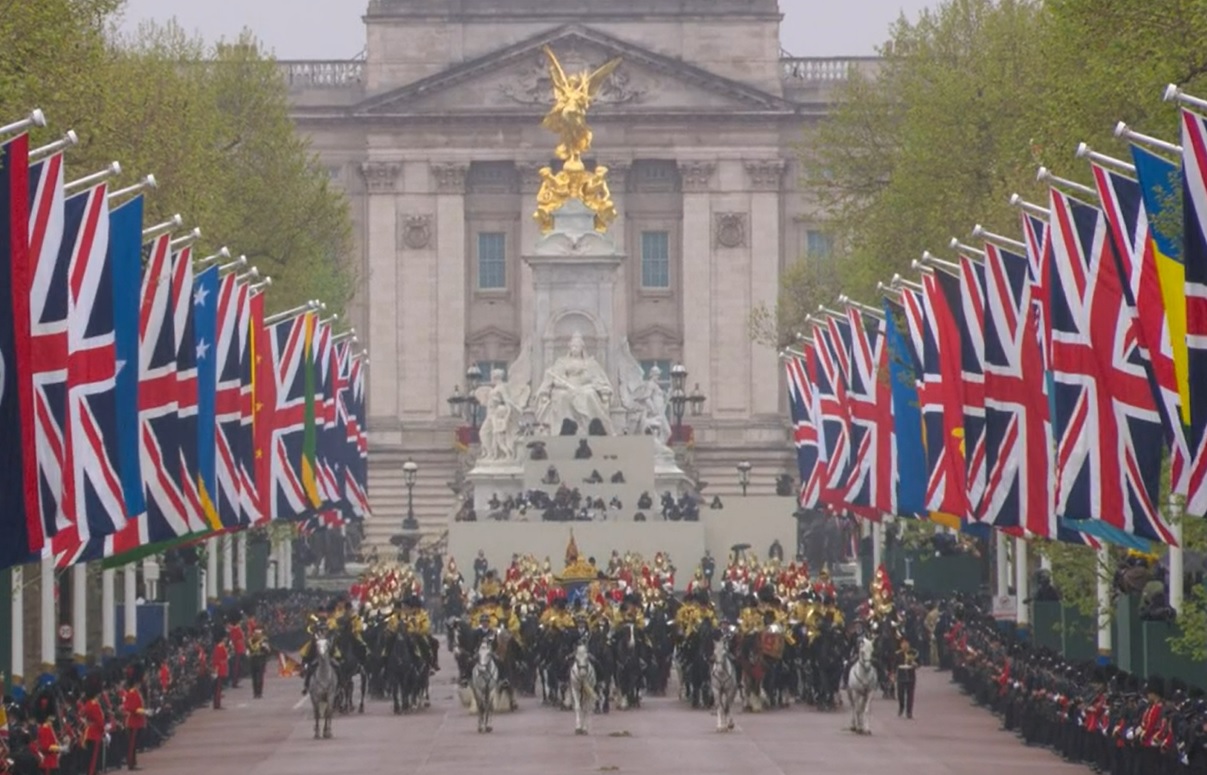
A spokesperson for BBC Studios stated, "We’re proposing some changes that will help us stay strong creatively and continue to deliver a range of high-quality programmes – whilst managing our costs in a challenging and fast-moving market." This statement underscores the economic realities facing the BBC, which, like many public service broadcasters globally, is grappling with declining revenues, shifting audience consumption habits, and the need for digital transformation.
Historical Context of BBC Royal Coverage
The BBC has a long and intricate history of covering royal events, dating back to the early days of radio and television broadcasting. Its role has evolved from simple reporting to providing comprehensive, multi-platform coverage that aims to inform, engage, and reflect national sentiment. The coronation of Queen Elizabeth II in 1953, for instance, was a landmark television event, bringing the pageantry and solemnity of the occasion into British homes in a way that had never before been possible. This established a precedent for the BBC as the primary broadcaster of such significant national ceremonies.
Over the decades, the BBC’s royal coverage has been characterized by its access, its ability to provide in-depth historical context, and its handling of sensitive moments. The team responsible for these broadcasts has developed a unique set of skills, including understanding royal protocol, navigating complex relationships with the Palace, and producing programming that balances public interest with respect for the institution. The continuity of this expertise within a permanent team is often seen as crucial for maintaining the quality and integrity of this specialized form of journalism.
The Role of Freelancers and Potential Gaps
While the BBC’s reliance on freelance staff for major events is a common industry practice, the sheer scale of the proposed reduction in full-time personnel raises questions about the potential for gaps in critical areas. Freelancers, while bringing diverse skills and experience, may not possess the same institutional knowledge or the deep-seated understanding of specific royal traditions and sensitivities that a permanent team cultivates over years.
The concern is that during a fast-breaking, high-pressure event, such as a sudden royal death, a core team of experienced staff acts as a crucial anchor. They can rapidly assess needs, deploy resources, manage editorial direction, and ensure a consistent tone and quality of output. If this core team is reduced to a single individual, the ability to manage such a crisis effectively, while simultaneously overseeing other ongoing broadcast commitments, could be severely tested. The risk is that the nuanced storytelling and meticulous attention to detail that has characterized past royal broadcasts might be compromised.
Broader Implications for Public Broadcasting and National Identity
The cuts to the BBC’s Royal Events team are symptomatic of a wider debate about the role and funding of public service broadcasting in the 21st century. In an era of fragmented media consumption, with a proliferation of news sources and entertainment options, public broadcasters like the BBC are tasked with the challenging mission of providing universally accessible, high-quality content that serves the public interest and reflects national identity.
Royal events, whether celebratory or somber, are intrinsically linked to the narrative of the United Kingdom. They evoke a sense of shared history, national pride, and collective experience. The way these events are covered by a trusted national broadcaster can significantly shape public perception and understanding. If the coverage of these significant national moments is perceived to decline in quality or prominence, it could have a subtle but profound impact on how these aspects of national identity are communicated and preserved for future generations.
The BBC’s mandate includes informing the public about matters of national importance. The Royal Family, by virtue of its constitutional role and historical significance, remains a central element of the United Kingdom’s national story. Therefore, any perceived weakening of the BBC’s capacity to cover these events adequately could be seen as a diminishment of its ability to fulfil this core public service obligation.
Future Scenarios and Potential Mitigations
Looking ahead, the BBC will need to demonstrate how its new operational model will effectively manage the coverage of both predictable and unpredictable royal events. The reliance on Claire Popplewell as the sole full-time member of the team will place an immense responsibility upon her. The effectiveness of the freelance strategy will be crucial, and the BBC will need to ensure robust recruitment, training, and management of its freelance pool to maintain a high standard of output.
Buckingham Palace’s concerns, while rooted in a desire for assured quality coverage, also reflect the symbiotic relationship between the monarchy and public broadcasters. This relationship has, for decades, ensured that major royal moments are widely disseminated and understood by the public. The current changes at the BBC signal a potential shift in this dynamic, one that will be closely watched by both the Palace and the wider public in the years to come. The challenge for the BBC will be to navigate these financial pressures without compromising its commitment to delivering comprehensive and impactful coverage of events that hold significant national and historical weight. The success of this new model will ultimately be judged by the quality and reach of its broadcasts during the next major royal event, whenever and whatever it may be.