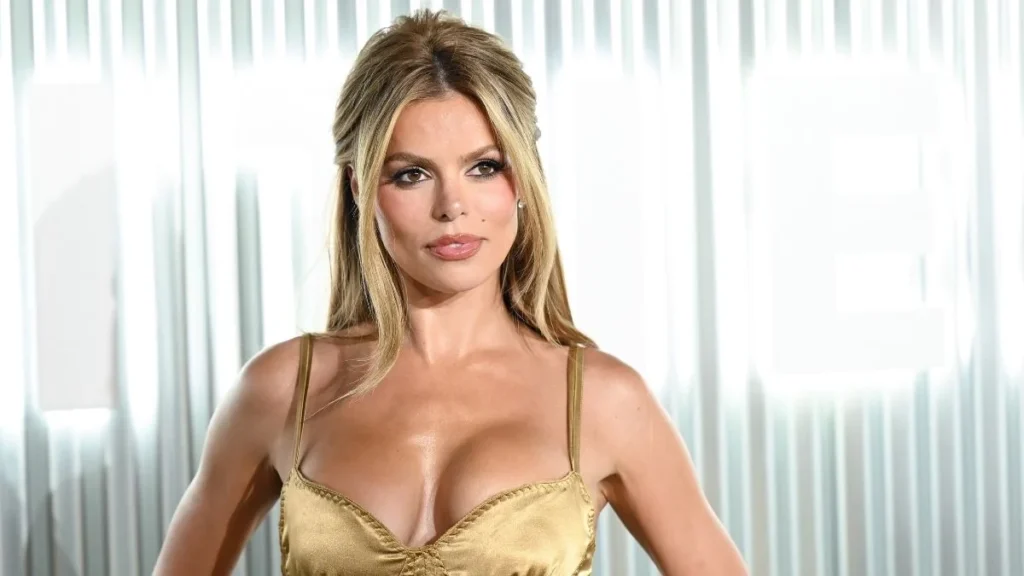

The landscape of television production is undergoing a significant transformation, and nothing exemplifies this shift more than the recent casting announcements for the highly anticipated reboot of the iconic series Baywatch. At the center of this cultural conversation is Brooks Nader, a prominent model and social media personality who has recently stepped into the iconic red swimwear synonymous with the franchise. Following her casting in the FOX series, Nader has encountered a wave of online scrutiny and criticism regarding her transition from the world of modeling and digital influence to scripted television. However, in a series of recent statements, Nader has addressed her detractors with a firm defense of the modern "multi-hyphenate" career path, signaling a new era for the entertainment industry where digital reach is as valuable as traditional acting credentials.
The Evolution of the Baywatch Legacy and the New FOX Reboot
The original Baywatch, which premiered in 1989 and ran until 2001, remains one of the most-watched television shows in global history. At its peak, the series was broadcast in over 140 countries and reached an estimated weekly audience of 1.1 billion people. The show was instrumental in launching the careers of stars like Pamela Anderson and David Hasselhoff, cementing the "slow-motion run" and the red swimsuit as permanent fixtures of pop culture.
The upcoming FOX reboot aims to capture the essence of the original while modernizing its themes and cast for a Generation Z and Millennial audience. This modernization includes the strategic casting of individuals who command massive digital audiences. Brooks Nader, known primarily for her work with Sports Illustrated Swimsuit and her significant presence on Instagram, represents this new strategy. Joining her in the principal cast is Noah Beck, a social media titan who rose to fame on TikTok, and Olivia "Livvy" Dunne, the LSU gymnast and NIL (Name, Image, and Likeness) pioneer who will appear in a recurring role as a junior lifeguard.
Brooks Nader Addresses the Influencer Versus Actor Debate
The backlash against Nader’s casting primarily stems from traditionalist viewers who argue that the roles should be reserved for classically trained actors rather than social media influencers. In an interview with The Daily Mail, Nader dismissed these concerns, arguing that the industry’s definition of talent has fundamentally changed. She noted that the current media environment allows for a fluidity that did not exist during the show’s original run in the 1990s.
"I think the times are different and everyone is so multi-hyphenate now, and you can be both an actor and an influencer and have influence," Nader stated. She framed the rise of social media not as a distraction from the craft of acting, but as a revolutionary tool for self-expression and career building. Nader pointed out that in the 1990s, talent lacked the direct-to-consumer platforms available today, which limited their ability to shape their own narratives or build independent brands.
By labeling herself and her castmates as "multi-hyphenates," Nader is tapping into a broader trend in Hollywood. The distinction between "content creator" and "professional actor" is increasingly blurred as studios prioritize "built-in audiences." Nader believes that the diverse platforms represented by the new cast—ranging from TikTok to high-fashion modeling—will bring a unique "vibe" and energy to the show that traditional casting might lack.
A Chronology of the Baywatch Revival
The path to the FOX reboot has been a long one, marked by various attempts to revitalize the brand. Understanding the timeline of the franchise helps contextualize why the current casting choices are so pivotal for the network.
- 1989–1990: Baywatch premieres on NBC but is canceled after just one season due to low ratings and the studio’s high production costs.
- 1991–2001: David Hasselhoff and the producers revive the show for the first-run syndication market. It becomes a global phenomenon, spawning spin-offs like Baywatch Nights and the filmed-in-Hawaii finale seasons, Baywatch: Hawaii.
- 2017: A big-screen film adaptation starring Dwayne "The Rock" Johnson and Zac Efron is released. While it was a modest commercial success, grossing over $177 million worldwide, it received mixed reviews for its comedic, self-parodying tone.
- 2023: Reports begin to circulate that Fremantle, the production company that owns the rights to the series, is exploring a serious television reboot.
- 2024: FOX officially announces it has secured the rights to the reboot, promising a "prestige drama" approach rather than a campy parody.
- Early 2025: Casting begins, with Brooks Nader, Noah Beck, and Livvy Dunne announced as part of the ensemble. The announcement immediately triggers a divide between nostalgic fans and younger audiences.
- March 2025: Production begins on location, and Nader’s first promotional images in the iconic red monokini go viral, leading to the current cycle of public discourse and her subsequent defense of the project.
The Economic Logic Behind Influencer Casting
The decision to cast Nader, Beck, and Dunne is not merely a creative one; it is driven by the rigorous economic data of the modern streaming and broadcast era. In an age where traditional television ratings are declining, networks are desperate for "guaranteed" eyeballs.
The combined social media following of the lead cast members exceeds 50 million people. For FOX, this represents a massive, built-in marketing machine. Every time Nader or Beck posts a "behind-the-scenes" look at the set, they are reaching millions of potential viewers more effectively than a traditional television commercial might.
Market analysts suggest that the "Influencer-to-Actor" pipeline is a response to the fragmentation of media. According to industry reports, nearly 60% of Gen Z viewers are more likely to watch a show if their favorite social media personality is involved. By casting Nader, the production ensures that the show remains relevant in digital conversations, trending on platforms like TikTok and Instagram long before the first episode even airs.
Industry Reactions and the "Professionalization" of Influencers
While the public may be divided, industry insiders have offered a more nuanced take on the situation. Casting directors have noted that the transition from modeling or TikTok to acting requires a specific set of skills that Nader and Beck have been honing for years.
"Being a successful influencer today requires a high level of production knowledge, branding, and on-camera presence," says media analyst Sarah Jenkins. "Brooks Nader isn’t just a face; she is a brand manager. That level of professional discipline translates well to the rigors of a television set, where consistency and public image are paramount."
Furthermore, Nader’s confidence in the project’s ability to do "everyone justice" suggests a deep respect for the source material. She has emphasized that the cast is "stacked with amazing talent," implying that the show will balance digital stars with veteran actors to ensure a high-quality production. This hybrid approach—combining the reach of influencers with the stability of experienced television producers—is becoming the blueprint for modern reboots.
Broader Implications for the Future of Television
The controversy surrounding Brooks Nader and the Baywatch reboot highlights a significant turning point in the entertainment industry. We are moving away from an era where "stardom" was granted by a small group of studio executives and toward an era where "stardom" is built independently by the talent themselves.
Nader’s argument—that social media allows talent to "use their voice for good"—reflects a desire for agency. For decades, actors were often at the mercy of the roles they were offered. Today, someone like Nader enters a project with her own platform, her own audience, and her own leverage. This shifts the power dynamic between the talent and the studio.
However, the success of this model remains to be seen. The ultimate test for the Baywatch reboot will not be the number of Instagram likes Nader receives, but whether the show can deliver compelling storytelling that keeps viewers coming back week after week. If the show succeeds, it will validate the "multi-hyphenate" model and likely lead to a flood of similar casting decisions across the industry. If it fails, it may serve as a cautionary tale that digital popularity does not always translate to narrative television success.
Conclusion: A New Horizon for the Beach
As production continues on the Baywatch reboot, Brooks Nader remains focused on the work ahead. Her refusal to be intimidated by online criticism serves as a testament to her confidence in the project and the changing nature of celebrity. By embracing her status as a multi-hyphenate, she is not only defending her own career but also paving the way for a new generation of talent who refuse to be confined to a single box.
The red monokini, once a symbol of 90s television glamour, has now become a symbol of the digital age’s influence on traditional media. Whether audiences are ready or not, the new Baywatch is set to ride a wave of digital engagement, with Brooks Nader leading the charge into a new and uncertain cultural landscape. As she noted in her closing remarks to the press, the goal is to honor the iconicity of the past while bringing a fresh, modern "vibe" that reflects the world as it is today—connected, vocal, and unapologetically multi-dimensional.