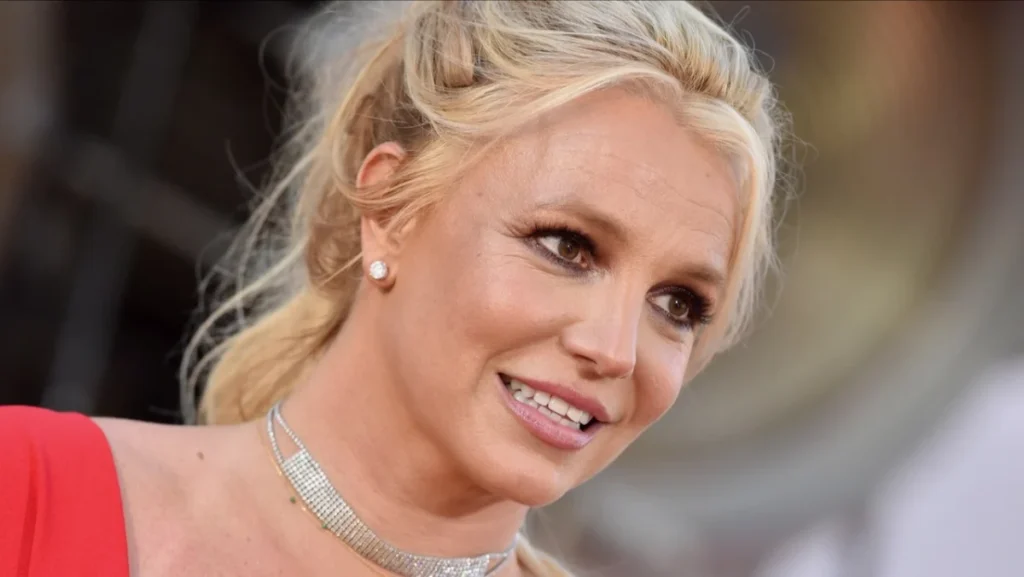

Global pop icon Britney Spears has reportedly entered a treatment facility to address substance abuse issues, a development that has once again brought the star’s personal struggles into the public spotlight. Sources close to the situation, as initially reported by entertainment news outlet TMZ on April 12, 2026, indicate that the 44-year-old singer’s decision to seek professional help was voluntary and came after significant encouragement from her family. This move follows a period of renewed public concern for Spears, particularly in the wake of her arrest last month for driving under the influence (DUI) in Ventura County, California, for which she is scheduled to appear in court on May 4th.
The recent DUI arrest served as a critical catalyst, intensifying discussions among her inner circle about her well-being and the necessity for intervention. Details surrounding the March 2026 incident in Ventura County remain under wraps, with official reports yet to specify the exact charges beyond DUI, such as reckless driving or property damage if applicable. However, the arrest itself, a high-profile legal entanglement for Spears in recent years, appears to have underscored the urgency of addressing underlying challenges. Family members, whose identities have not been disclosed, are said to have presented a united front, appealing to Spears to prioritize her health and seek comprehensive care. Their collective encouragement reportedly played a pivotal role in her voluntary decision to check into the treatment center, signaling a potential shift towards a more stable path.
A Decades-Long Public Struggle: A Brief Chronology
Britney Spears’s journey has been inextricably linked with public scrutiny, a narrative spanning decades that encompasses unprecedented global fame, intense personal challenges, and a landmark legal battle. Understanding her current situation requires a contextual look at her tumultuous past, which has frequently played out in the unforgiving glare of the media.
Early Career and Meteoric Rise
Britney Spears burst onto the music scene in the late 1990s, almost immediately captivating audiences worldwide with her debut album "…Baby One More Time" in 1999. Her subsequent albums, provocative music videos, and dynamic performances quickly cemented her status as the "Princess of Pop," a cultural phenomenon who redefined pop music for a new generation. This meteoric rise, however, came with immense pressure. From a young age, Spears was subjected to relentless media attention, a constant invasion of privacy, and the demanding schedule of a global superstar, factors that many observers now believe laid the groundwork for future struggles. The expectation to maintain an immaculate public image while navigating the complexities of young adulthood created an unsustainable environment.
The 2007-2008 Crisis and Conservatorship
The pressures of fame culminated in a highly publicized personal crisis between 2007 and 2008. During this period, Spears experienced a series of widely reported public breakdowns, including the infamous head-shaving incident, frequent confrontations with paparazzi, and two involuntary hospitalizations for mental health evaluations. These events, broadcast globally, painted a picture of a star in profound distress. In February 2008, following these crises, a conservatorship was established by the Los Angeles Superior Court, granting her father, Jamie Spears, and attorney Andrew Wallet legal control over her finances, personal life, and medical decisions. The conservatorship, initially presented as a temporary measure to protect her during a vulnerable time, would ultimately last for nearly 14 years, profoundly shaping her life and career.
Years Under Conservatorship and "Free Britney" Movement
Despite living under the strictures of the conservatorship, Spears continued to release successful albums, embark on world tours, and maintain a highly lucrative Las Vegas residency, demonstrating her enduring artistic prowess. However, beneath the surface of professional success, questions about her autonomy and well-being persisted. By the mid-2010s, an online movement known as "Free Britney" began to gain traction, spearheaded by fans and activists who believed the conservatorship was abusive and unnecessary. This movement amplified concerns about her lack of personal freedom, her inability to make basic life choices, and the alleged misuse of her finances. The "Free Britney" movement grew exponentially, drawing celebrity support and international media attention, turning what was once a private legal matter into a global human rights discussion.
Legal Battles and Termination
The "Free Britney" movement reached a crescendo in 2019 when Spears publicly expressed her desire to have her father removed as conservator. The subsequent legal battles brought unprecedented details to light. In an emotional and explosive testimony in June 2021, Spears publicly alleged severe abuse under the conservatorship, claiming she was forced to work, denied control over her reproductive health, and prevented from marrying or having more children. Her testimony galvanized public support and led to swift legal action. After multiple court hearings and a shift in legal representation, the Los Angeles Superior Court officially terminated the conservatorship on November 12, 2021. The ruling was met with widespread celebration from fans and advocates, marking a pivotal moment in her life and sparking broader conversations about conservatorship laws and individual autonomy.
Post-Conservatorship Life and Recent Challenges
The termination of her conservatorship ushered in a new chapter of freedom and self-determination for Spears. She has since been vocal about her experiences, sharing her journey of healing and adjustment through social media and a highly anticipated memoir. However, the transition to complete autonomy after nearly 14 years of controlled living has not been without its challenges. Reports of family disputes, continued public scrutiny, and a perceived struggle to fully adapt to life without the structured oversight have occasionally surfaced. While celebrating her newfound liberty, navigating personal relationships, financial independence, and the ongoing glare of the public eye has presented its own set of unique difficulties, culminating in the recent DUI arrest and subsequent entry into rehab.
Understanding Substance Abuse Treatment and Public Figures
The decision by a high-profile individual like Britney Spears to enter a rehabilitation facility for substance abuse is a complex one, shedding light on both the universal nature of addiction and the unique pressures faced by celebrities.
The Nature of Treatment Facilities
Substance abuse treatment facilities, commonly known as rehab centers, provide structured environments designed to help individuals overcome addiction. The process typically begins with detoxification, medically supervised to manage withdrawal symptoms safely. Following detox, patients engage in various therapeutic modalities, including individual counseling, group therapy, and cognitive-behavioral therapy (CBT), aimed at identifying the root causes of addiction, developing coping mechanisms, and preventing relapse. Facilities often offer holistic approaches, incorporating mindfulness, exercise, and nutritional guidance. Inpatient programs, like the one Spears has reportedly entered, offer a residential setting for intensive, round-the-clock care, providing a safe space away from external triggers and distractions. Aftercare planning, including outpatient programs, support groups, and sober living arrangements, is a crucial component to ensure sustained recovery upon discharge. For public figures, these facilities often prioritize discretion and privacy to allow patients to focus on their recovery without media intrusion.
The Pressures on Celebrities
Celebrities, despite their wealth and perceived glamour, face unique psychological and emotional pressures that can significantly contribute to or exacerbate substance abuse issues. The constant scrutiny, lack of privacy, and public expectation to maintain an idealized image can be profoundly isolating. Performance demands, rigorous touring schedules, and the financial pressures associated with maintaining a high-profile career can lead to chronic stress and burnout. Furthermore, the ease of access to substances and an environment where boundaries between personal and professional life often blur can create a dangerous cocktail. Many public figures also struggle with imposter syndrome, anxiety, and depression, often self-medicating to cope with these intense emotional landscapes. Britney Spears’s career, marked by its early start and intense public interest, exemplifies these extreme pressures, making her particularly vulnerable to the challenges of mental health and addiction.
Public Perception and Support
When a celebrity enters rehab, public reaction can be a double-edged sword. While some segments of the media and public may engage in sensationalism or judgment, there is an increasing trend towards empathy and support. High-profile cases like Spears’s often serve as powerful reminders that addiction is a disease that affects individuals across all socioeconomic strata, helping to destigmatize mental health and substance abuse struggles. The outpouring of support from fans and fellow celebrities can create a compassionate environment, encouraging others facing similar battles to seek help. Conversely, the intense media coverage can also be a source of stress for the individual in recovery, highlighting the delicate balance between public interest and the need for privacy during a vulnerable time.
Legal Ramifications and Future Outlook
Britney Spears’s entry into rehab carries significant implications for her ongoing legal situation and her future trajectory, both personally and professionally.
DUI Charges and Court Proceedings
The upcoming court appearance on May 4th for the DUI charges in Ventura County, California, remains a critical point. In California, a first-time DUI offense can carry a range of penalties, including fines (potentially thousands of dollars), mandatory attendance at an alcohol education program, probation for three to five years, and a driver’s license suspension. The specifics of Spears’s case, such as her blood alcohol content (BAC), any prior offenses, or if there was an accident or injury, will dictate the severity of the charges and potential sentencing. Her voluntary entry into a rehabilitation facility, while not excusing the offense, could potentially be viewed favorably by the court as a demonstration of her commitment to addressing the underlying issues. Proactive steps towards recovery can sometimes lead to more lenient sentencing, such as reduced fines or a shorter license suspension, as it indicates a willingness to take responsibility and make amends. However, the legal process will unfold independently, and her legal team will undoubtedly be strategizing how to present her current efforts in the most favorable light.
Long-Term Implications for Her Career and Well-being
From a career perspective, Spears’s entry into rehab likely signifies a necessary hiatus from any immediate professional commitments. While she has been less active musically since the termination of her conservatorship, focusing more on personal life and her memoir, this period of intensive treatment will undoubtedly require her full attention. Her long-term career prospects will heavily depend on the success of her recovery. A stable and healthy Britney Spears would be better positioned to engage with new creative projects, should she choose to pursue them. More importantly, the focus is unequivocally on her personal well-being. Sustained recovery from substance abuse is a lifelong journey, requiring ongoing commitment to therapy, self-care, and a robust support system. Her ability to navigate the complexities of her past and present, while maintaining sobriety and mental stability, will be paramount to her overall happiness and quality of life. The support of her family, friends, and professional team will be crucial in ensuring she has the resources necessary for a successful and lasting recovery.
The Broader Conversation: Mental Health and Addiction in the Public Eye
Britney Spears’s ongoing struggles and her recent decision to seek treatment underscore a broader societal conversation about mental health and addiction, particularly when played out on a global stage.
Destigmatization Efforts
Each time a prominent figure like Spears publicly confronts issues of mental health or substance abuse, it contributes significantly to the destigmatization of these conditions. For too long, addiction and mental illness have been shrouded in shame and secrecy, preventing many from seeking the help they desperately need. Spears’s journey, from her public breakdowns to her conservatorship battle and now her entry into rehab, has forced millions to confront the realities of mental health challenges and the complex nature of addiction. Her story can serve as a powerful testament that these struggles can affect anyone, regardless of their status, and that seeking help is a sign of strength, not weakness. This open dialogue is essential for fostering a more compassionate and informed society where individuals feel empowered to prioritize their mental and physical well-being.
Media Responsibility
The media’s role in reporting on the struggles of public figures is a critical component of this broader conversation. While there is legitimate public interest in the lives of global icons, there is also a profound ethical responsibility to report with sensitivity, accuracy, and an avoidance of sensationalism. The past treatment of Spears by certain media outlets has been widely criticized for its invasiveness and lack of empathy, contributing to her distress. Moving forward, responsible journalism emphasizes reporting the facts, providing context, and framing such stories in a way that promotes understanding and compassion rather than judgment or exploitation. This approach not only respects the individual’s privacy during a vulnerable time but also contributes positively to public discourse on mental health and addiction, fostering an environment where support and recovery are prioritized.
As Britney Spears embarks on this crucial phase of her recovery, the world watches, hopefully with more understanding and less judgment than in previous chapters of her public life. Her voluntary entry into rehab, reportedly with the encouragement of her family, signals a significant step towards addressing the challenges she faces. While the legal proceedings for her DUI arrest loom in May, the immediate focus remains on her health and well-being. This period of treatment is a critical opportunity for Spears to heal, rebuild, and find a sustainable path forward, reaffirming that even amidst the glare of celebrity, personal health and recovery must always take precedence.