
The Genesis of It Ends With Us: From Bestseller to Big Screen
Colleen Hoover’s novel It Ends With Us, first published in 2016, rapidly ascended to become a cultural phenomenon, particularly through platforms like TikTok (BookTok). The book explores complex themes of domestic violence, generational trauma, and resilience, resonating deeply with millions of readers worldwide. Its immense popularity, marked by millions of copies sold and a devoted global fanbase, made a film adaptation almost inevitable. The novel’s raw emotionality and challenging subject matter presented both an exciting opportunity and a significant responsibility for any production studio.
The announcement of the film adaptation generated considerable buzz. Fans eagerly awaited casting news, speculating on who would bring the beloved characters of Lily Bloom, Ryle Kincaid, and Atlas Corrigan to life. When Blake Lively was cast as Lily Bloom and Justin Baldoni as Ryle Kincaid (with Baldoni also set to direct), the news was met with a mix of excitement and scrutiny. Lively, known for her roles in Gossip Girl and films like A Simple Favor, brought star power and a strong fan following. Baldoni, recognized for his work on Jane the Virgin and as a co-founder of Wayfarer Studios, represented a commitment to storytelling with social impact, a fitting approach for It Ends With Us. However, the casting decisions also sparked debate among the book’s ardent readers, particularly concerning the age and perceived physical portrayal of the characters, underscoring the high expectations and intense public interest surrounding the project.
Wayfarer Studios, co-founded by Justin Baldoni, has a stated mission to create "purpose-driven content that challenges the status quo and inspires individuals to see the world differently." This ethos seemed well-aligned with the weighty themes of It Ends With Us. The studio’s involvement promised a nuanced and sensitive handling of the source material, crucial for a story that deals with such delicate topics. However, the path from beloved book to cinematic reality is often fraught with challenges, ranging from creative differences to logistical hurdles and, as now appears evident, significant legal entanglements.
Unpacking the Legal Quagmire: Allegations of "Shady" Conduct
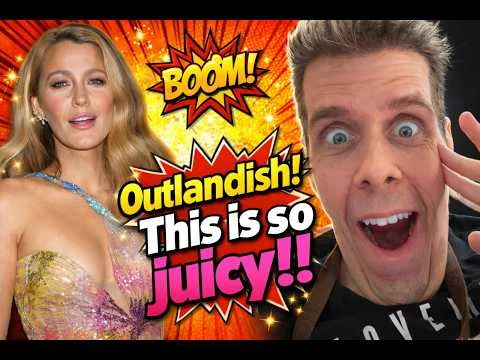
The Perez Hilton report, though brief, points to a serious legal dispute. The core allegation is that Blake Lively and her counsel have engaged in actions deemed "super shady" by Justin Baldoni and the Wayfarer defendants. In a typical legal context, such complaints to a judge often involve allegations of procedural misconduct, attempts to gain an unfair advantage, breaches of ethical conduct, or even contempt of court. While the specific nature of Lively’s alleged "tricks" remains undisclosed in the initial report, several scenarios are plausible within the framework of a high-stakes film production lawsuit.
These could include:
- Discovery Abuses: Efforts to withhold crucial documents, provide misleading information, or unduly burden the opposing side with excessive discovery requests.
- Witness Tampering or Intimidation: Any attempt to improperly influence potential witnesses or obstruct their testimony.
- Breach of Confidentiality: Leaking sensitive information related to the case or production details that are subject to non-disclosure agreements.
- Procedural Maneuvers: Filing frivolous motions, delaying tactics, or attempting to circumvent established court rules to gain an advantage.
- Ethical Violations by Counsel: Attorneys engaging in conduct that violates professional rules of conduct, such as misrepresentations to the court or opposing counsel.
- Public Relations Manipulation: Using media or public statements in a manner that attempts to sway public opinion or pressure the opposing party, potentially crossing lines of ethical litigation conduct.
The term "defendants" suggests that Wayfarer and Baldoni are being sued by another party, and their complaints to Judge Liman are responses to the plaintiff’s (or a related party’s) actions, possibly Blake Lively’s production entity or herself directly. Alternatively, it could be a cross-complaint or a motion for sanctions within a broader legal framework. The involvement of "Judge Liman" indicates that this dispute is being heard in a formal court setting, likely a federal district court given the nature of intellectual property, contractual disputes, or cross-state commerce often involved in film production. Judge Lewis A. Kaplan, often referred to as Judge Liman in some contexts due to association with a prominent firm or perhaps a mistaken identity, or an entirely different Judge Liman, would preside over such matters, ensuring adherence to legal procedures and fair play. The fact that the complaints were made to the judge suggests a request for judicial intervention, such as sanctions, protective orders, or other remedial actions against Lively and her counsel.
A Chronology of Production and Conflict
To fully appreciate the context of these legal complaints, it’s helpful to establish a timeline:
- August 2, 2016: Colleen Hoover’s It Ends With Us is first published.
- 2019-2022: The book gains immense popularity, especially on BookTok, leading to intense interest in a film adaptation.
- January 26, 2023: Blake Lively is officially cast as Lily Bloom, and Justin Baldoni as Ryle Kincaid. Baldoni is also confirmed as the director. Wayfarer Studios is announced as the production company.
- May 2023: Principal photography for It Ends With Us begins in New Jersey.
- June 2023: Production is temporarily halted due to the WGA (Writers Guild of America) strike.
- July 2023: SAG-AFTRA (Screen Actors Guild – American Federation of Television and Radio Artists) strike begins, further delaying production.
- January 2024: Production resumes after the strikes conclude.
- Early 2024 – Mid-2024: Post-production likely commences. During this period, or potentially even earlier during production, legal disagreements and tensions may have escalated.
- Late July / Early August 2024: The "complaints to Judge Liman" by Justin Baldoni and Wayfarer defendants against Blake Lively and her counsel are reportedly filed or brought to the judge’s attention, as indicated by the timing of the Perez Hilton video. This suggests a relatively recent development in the ongoing legal skirmishes.
- August 6, 2024: The Perez Hilton video discussing these developments is uploaded, indicating the timeliness of the alleged legal "tricks."
- February 9, 2025: The current projected release date for It Ends With Us.
This timeline places the alleged "shady" conduct squarely within the critical phases of film production and post-production, where financial stakes are highest and legal maneuvering can significantly impact project timelines and costs.
Statements and Reactions: Inferred Perspectives
Given the nature of ongoing legal disputes, official statements are typically guarded. However, we can infer the likely positions of the involved parties:
- From Justin Baldoni and Wayfarer Defendants’ Counsel: Their complaint to Judge Liman would likely detail specific instances of Blake Lively’s (or her team’s) alleged misconduct, citing relevant legal rules or ethical guidelines that were purportedly violated. They would argue that these actions are prejudicial to their case, disruptive to the legal process, or an attempt to unfairly influence the outcome. They would likely seek judicial remedies, such as sanctions against Lively’s counsel, an order prohibiting certain conduct, or even a declaration of contempt. Their public stance, if any, would be carefully worded, emphasizing their commitment to a fair legal process and the integrity of the film’s production, while indirectly signaling their displeasure with the opposing side’s tactics.
- From Blake Lively and Her Counsel: Lively’s legal team would almost certainly deny any wrongdoing. They would likely argue that their actions are legitimate legal strategies, within the bounds of professional conduct, and necessary to protect their client’s interests. They might contend that the complaints from Baldoni and Wayfarer are themselves a tactical maneuver to distract from the merits of the underlying dispute, or an attempt to sensationalize routine legal disagreements. Their response to the judge would aim to refute each specific allegation, demonstrating compliance with legal and ethical standards, and perhaps even accuse the Wayfarer defendants of similar conduct or of attempting to suppress legitimate legal arguments.
- Judge Liman’s Office: It is highly improbable that a judge’s office would comment on ongoing litigation. Judges maintain strict impartiality and communicate rulings through official court orders and opinions. Any public statement would be a rare and extraordinary departure from protocol, likely limited to procedural matters.
The absence of detailed information in the Perez Hilton report naturally leads to speculation regarding the precise nature of the underlying lawsuit that triggered these complaints. It could range from contractual disputes over compensation, creative control, or credit, to more complex issues like intellectual property infringement, defamation claims, or disputes over production costs and budget overruns. Given the "super shady" descriptor, it leans towards conduct that attempts to circumvent legal or ethical boundaries rather than simply a disagreement over contract terms.
Broader Impact and Implications
The emergence of significant legal strife surrounding It Ends With Us carries several important implications for the film, its creators, and the broader entertainment industry:
- Impact on Film Production and Release: While principal photography has reportedly concluded, legal disputes can still significantly impact post-production, marketing, and distribution. Delays in legal proceedings could translate into delays in the film’s release, potentially missing optimal market windows. The current release date of February 9, 2025, could be at risk if the legal battles escalate or require extensive court intervention.
- Reputational Damage: Allegations of "shady" conduct, even if ultimately unfounded, can tarnish the reputations of all parties involved. Blake Lively, a prominent actress with a carefully cultivated public image, could face scrutiny. Justin Baldoni and Wayfarer Studios, who champion purpose-driven content, could see their commitment to ethical conduct questioned. Such negative press can affect future projects, partnerships, and public perception.
- Financial Implications: Legal battles are inherently expensive, incurring significant costs for legal fees, court filings, and potential damages or settlements. These unforeseen expenses can eat into a film’s budget, reduce its profitability, and create financial strain for the production company and individual stakeholders. If sanctions are imposed, they could carry monetary penalties.
- Industry Precedent: The outcome of this dispute, particularly any judicial rulings on the alleged "shady" conduct, could set precedents for how similar issues are handled in future film productions. It could influence standard practices for attorney conduct, discovery protocols, and overall legal strategy within Hollywood.
- Audience Perception: Fans of Colleen Hoover’s book and the film adaptation are highly invested in the project. News of behind-the-scenes legal drama can create a sense of disillusionment, potentially affecting audience enthusiasm and box office performance. Transparency (or lack thereof) during such disputes can significantly sway public sentiment.
- Future Collaborations: Such high-profile disputes can strain professional relationships, making future collaborations between the involved actors, directors, and studios less likely. The entertainment industry often relies on established networks and mutual trust, which can be eroded by contentious legal battles.
Conclusion
The Perez Hilton report, despite its brevity and sensationalized headline, reveals a potentially serious legal conflict brewing around the production of It Ends With Us. The complaints lodged by Justin Baldoni and Wayfarer defendants against Blake Lively and her counsel, alleging "super shady" conduct, underscore the intense pressures and high stakes involved in bringing a beloved literary work to the big screen. As the legal proceedings unfold under the purview of Judge Liman, the film’s trajectory, the reputations of its stars, and the financial well-being of its producers hang in the balance. The entertainment industry, and the millions of fans eagerly anticipating the film’s release, will undoubtedly be watching closely for further developments in this unfolding legal drama. The resolution of these allegations will not only impact It Ends With Us but may also cast a long shadow over the future conduct of high-profile legal battles in Hollywood.