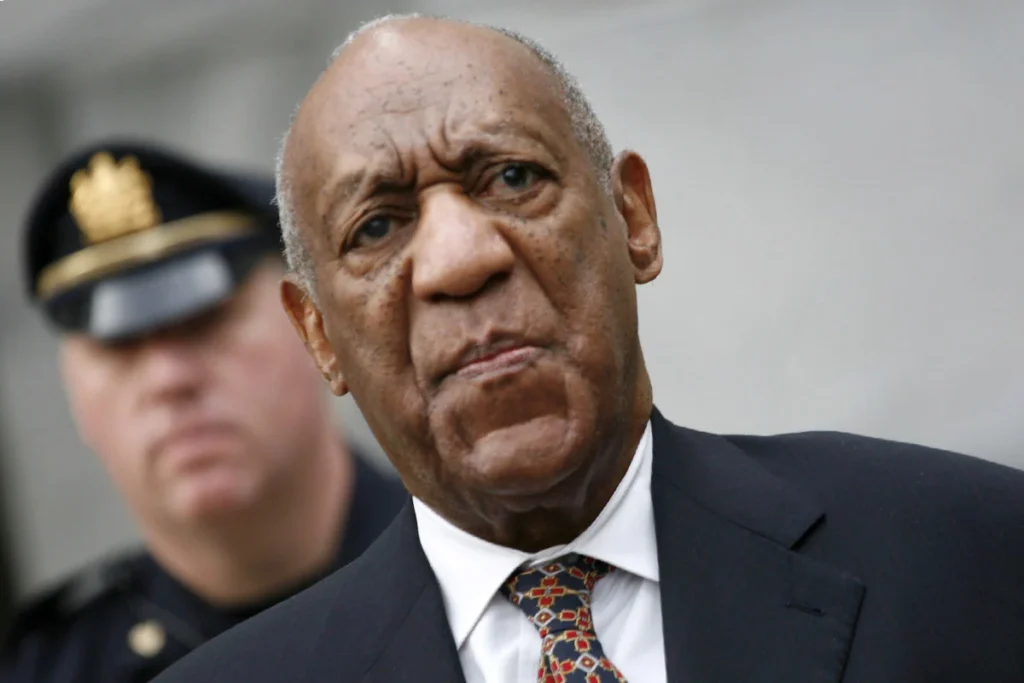

A jury has found William H. Cosby Jr., the once-revered entertainer known globally as Bill Cosby, liable for the sexual assault and sexual battery of Donna Motsinger, awarding her a substantial $19.25 million in damages. The verdict, delivered on Monday, March 23, 2026, marks another significant legal blow against the 88-year-old actor, solidifying a pattern of findings against him in civil courts despite the overturning of his sole criminal conviction. Motsinger, now 84, alleged that Cosby drugged and raped her in 1972, a claim the jury in the Los Angeles civil trial found credible based on a preponderance of evidence.
The award comprises $17.5 million for past mental suffering and an additional $1.75 million designated for future suffering, acknowledging the profound and lasting psychological toll the alleged assault has taken on Motsinger over decades. Crucially, the jury also determined that Cosby acted with "malice, oppression, or fraud," a finding that opens the door for potential future punitive damages, which could further increase the financial penalties imposed on the embattled celebrity. This verdict underscores the enduring pursuit of justice by survivors of sexual assault and the legal system’s capacity to address long-standing grievances, even decades after the alleged incidents occurred.
The Allegations and Trial Proceedings
Donna Motsinger’s lawsuit centered on a deeply disturbing account from 1972. Motsinger testified that she was given a pill by Bill Cosby, which she believed to be an aspirin. Shortly after ingesting the substance, she reported feeling disoriented and unwell. Her next clear memory was waking up in bed the following day, dressed only in underwear, with no recollection of the events that transpired after taking the pill. This account is chillingly consistent with allegations made by numerous other women against Cosby, many of whom described being drugged with sedatives before being sexually assaulted.
During the civil trial, Motsinger’s legal team presented compelling evidence, including excerpts from a 2005 deposition given by Cosby in connection with a separate civil lawsuit brought by Andrea Constand. In that deposition, Cosby admitted to acquiring Quaaludes, a powerful sedative, from a gynecologist and acknowledged his intent to use them on women for sexual purposes. This admission, coupled with the consistent testimonies of multiple accusers over the years, has been a pivotal factor in many of the civil proceedings against him. The Motsinger case, filed under California’s Assembly Bill 218 (AB 218), allowed for a temporary suspension of the statute of limitations for older sexual assault claims, providing a critical window for survivors like Motsinger to seek justice.
A Chronology of Cosby’s Legal Battles
The verdict in the Motsinger case is the latest chapter in a protracted and complex legal saga that has irrevocably altered Bill Cosby’s public image and legacy. Once revered as "America’s Dad" for his wholesome persona on "The Cosby Show," his career began to unravel in the mid-2000s when Andrea Constand first publicly accused him of sexual assault.
- 2005: Andrea Constand files a civil lawsuit against Cosby, alleging he drugged and sexually assaulted her in 2004. This case eventually settled for an undisclosed sum. During this period, Cosby gave the aforementioned deposition in which he admitted to using Quaaludes.
- 2014-2015: Allegations against Cosby resurface and gain widespread media attention, largely fueled by a viral comedy routine by Hannibal Buress. Dozens of women come forward with similar stories of drugging and sexual assault spanning decades, many recounting strikingly similar methods involving sedatives.
- 2015: Prosecutors in Montgomery County, Pennsylvania, influenced by the renewed public scrutiny and newly unsealed portions of Cosby’s 2005 deposition, reopen the Andrea Constand case and file criminal charges against Cosby for aggravated indecent assault. This marked the first time Cosby faced criminal charges related to the allegations.
- 2017: Cosby’s first criminal trial ends in a mistrial, as the jury is unable to reach a unanimous verdict.
- 2018: In a retrial, Bill Cosby is convicted of three counts of aggravated indecent assault against Andrea Constand. He is sentenced to 3 to 10 years in state prison, becoming the first major celebrity of the #MeToo era to be criminally convicted for sexual assault.
- 2021: The Pennsylvania Supreme Court shockingly overturns Cosby’s criminal conviction, citing a violation of his due process rights. The court ruled that a previous agreement with a prosecutor, which granted Cosby immunity from prosecution in exchange for his testimony in a civil deposition, should have prevented the criminal charges. Cosby is released from prison, having served nearly three years of his sentence.
- Post-2021: Despite his criminal conviction being overturned, Cosby continues to face numerous civil lawsuits. The legal standard for civil cases (preponderance of evidence) is lower than for criminal cases (beyond a reasonable doubt), allowing these claims to proceed even after his release from prison. Notable among these are the cases brought by Judy Huth and now Donna Motsinger, among others.
The Distinction Between Civil and Criminal Justice
The Motsinger verdict serves as a powerful reminder of the fundamental differences between criminal and civil justice systems. In criminal court, the state prosecutes an individual for violating laws, with the goal of punishment (imprisonment, fines). The burden of proof is "beyond a reasonable doubt," a high standard designed to protect against wrongful convictions. Bill Cosby’s 2018 criminal conviction against Andrea Constand met this standard, but was later overturned on a procedural technicality, not on the merits of the evidence presented regarding the assault itself.
In contrast, civil lawsuits are brought by individuals seeking monetary damages for harm caused by another party. The burden of proof is "preponderance of the evidence," meaning it is more likely than not that the defendant is responsible for the alleged harm. This lower standard, coupled with the absence of the specific procedural issues that led to Cosby’s criminal exoneration, has allowed numerous civil cases to proceed and succeed against him. For survivors like Donna Motsinger, a civil verdict provides not only financial compensation for their suffering but also a formal legal acknowledgment of the harm they endured, offering a form of vindication that the criminal system could not fully deliver in Cosby’s specific circumstances.
Implications of the Verdict
The $19.25 million award to Donna Motsinger carries several significant implications:
- Financial Impact on Cosby: While Cosby’s net worth has diminished significantly due to legal fees and previous settlements, a multi-million dollar judgment further strains his finances. His legal team will likely explore all avenues for appeal, but these processes are costly and often unsuccessful without substantial new evidence or clear legal errors.
- Validation for Survivors: This verdict provides profound validation for Motsinger and, by extension, for the dozens of other women who have accused Cosby. It reinforces the message that even after decades, and despite the challenges of the legal system, survivors can achieve a measure of justice and accountability.
- Precedent for Future Civil Cases: The jury’s finding of "malice, oppression, or fraud" is particularly important. This legal determination indicates a deliberate, malicious intent on Cosby’s part, which is often a prerequisite for punitive damages – awards designed to punish the defendant and deter similar conduct in the future. This could set a precedent for other ongoing or future civil cases against Cosby, potentially leading to even larger financial penalties.
- The Enduring Power of #MeToo: The Motsinger verdict, alongside similar outcomes in other long-dormant cases, underscores the lasting impact of the #MeToo movement. By creating a climate where survivors feel more empowered to speak out and where society is more willing to listen, #MeToo has facilitated legal avenues for justice that were previously inaccessible or too daunting for many.
- Accountability for Powerful Individuals: The case serves as a powerful reminder that fame and power do not grant immunity from legal accountability. Despite Cosby’s immense influence and wealth, the legal system, particularly through civil litigation, continues to hold him responsible for his alleged actions.
Reactions from Legal Teams and Advocacy Groups
Following the verdict, statements from the involved parties and legal experts have begun to emerge. Motsinger’s legal representatives expressed profound satisfaction with the outcome, emphasizing the bravery of their client and the importance of the jury’s decision. "This verdict is a testament to Donna Motsinger’s courage and resilience," stated a spokesperson for her legal team. "For over fifty years, she carried the burden of this trauma. Today, the jury has unequivocally affirmed her truth and delivered a measure of justice that has been long overdue. It sends a clear message that no one, regardless of their status, is above the law, and that survivors will be heard."
Cosby’s legal team, while not immediately issuing a detailed statement on potential appeals, has historically maintained their client’s innocence regarding these allegations. They have consistently argued that many of the claims are fabricated, opportunistic, or beyond the statute of limitations. It is anticipated that they will challenge the verdict on various grounds, including the sufficiency of evidence, the interpretation of the law, or procedural aspects of the trial.
Victim advocacy organizations have hailed the verdict as a crucial victory for survivors everywhere. "This outcome is incredibly significant," noted a representative from a national sexual assault survivor network. "It demonstrates that even when criminal justice falters, civil courts can provide a vital pathway to accountability and healing. Donna Motsinger’s perseverance will undoubtedly inspire others who have suffered in silence for years to come forward and seek their own measure of justice." Legal scholars also weighed in, highlighting how the verdict reinforces the growing trend of utilizing civil litigation to address sexual misconduct cases, especially those with historical roots that predate or fall outside stricter criminal statutes of limitations.
The Long Road to Healing and Justice
For Donna Motsinger, the financial award, while substantial, is likely only one component of a long journey toward healing. The public acknowledgment of her experience by a jury of her peers provides a form of closure and validation that can be deeply therapeutic for survivors of trauma. The case also brings renewed attention to the broader issue of sexual assault, particularly the insidious methods of drugging and exploiting victims, and the long-term psychological scars that such experiences inflict.
As Bill Cosby navigates the twilight of his life, his legacy remains inextricably linked to these numerous allegations and legal judgments. The Motsinger verdict adds another definitive chapter to this complex narrative, ensuring that the pursuit of justice for his alleged victims continues to unfold, holding powerful individuals accountable for actions perpetrated decades ago. The legal landscape continues to evolve, offering new avenues for survivors to be heard, and this latest judgment stands as a powerful testament to their unwavering quest for truth and justice.