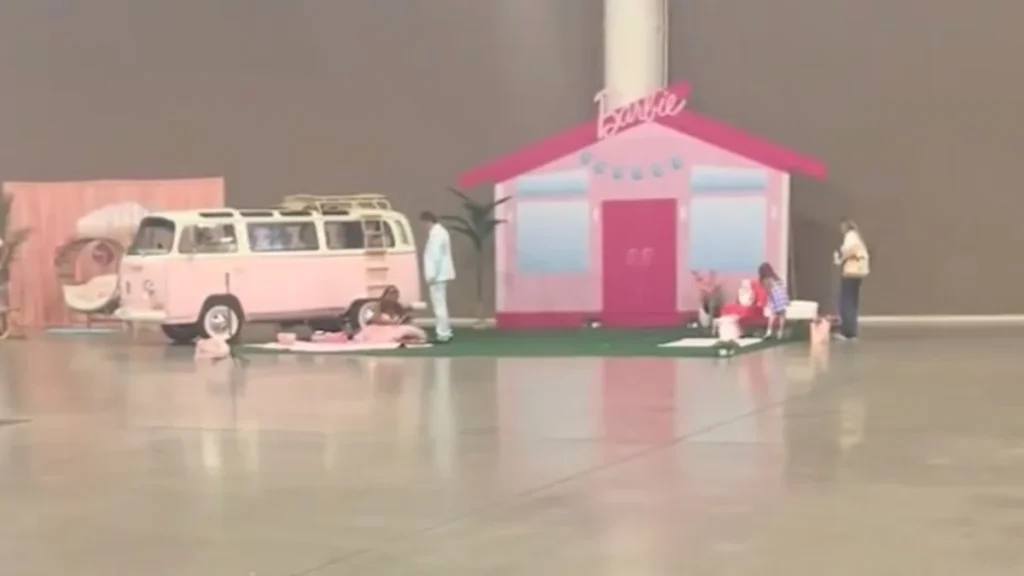

Held at the Broward County Convention Center, the event was billed by organizers as a grand celebration designed to immerse fans in the vibrant world of Barbie. Promotional materials painted a picture of an unforgettable spectacle, leveraging the renewed global fervor for the iconic doll following the immense success of the Barbie movie. However, the reality that unfolded during the first two days left many attendees feeling swindled, sparking a firestorm of negative reactions across social media platforms.
The Anatomy of Disappointment: What Went Wrong
The core of the attendees’ frustration stemmed from a stark discrepancy between the event’s lavish marketing and its tangible offerings. Social media was quickly flooded with videos and photos showcasing a cavernous convention center space that felt largely empty and devoid of the promised interactive elements. Key attractions, touted as central to the "dream fest" experience, reportedly fell dramatically short of expectations.
One of the most criticized features was the "80s roller disco," described in promotional materials as a vibrant, nostalgic highlight. In practice, it materialized as a modest 20×40-foot square of concrete, conspicuously lacking decorations or any thematic elements to make it special. This stark reality was captured in numerous social media posts, with one Reddit user lamenting, "This event sucks. Barely any vendors or activities. The ’80s roller disco’ is a 20×40 foot square of concrete in the middle of the marketplace with no decorations or anything to make it special." Such observations underscored a pervasive sense that the event’s execution was haphazard and underfunded.
The much-anticipated "interactive Barbie Dreamhouse," another cornerstone of the marketing campaign, proved to be equally disappointing. Attendees discovered it was merely a backdrop, a flat facade with a patch of artificial grass, offering minimal interactive potential. This static display failed to live up to the dynamic, immersive vision suggested by the event’s branding and the widely recognized appeal of Barbie’s iconic abode.
Furthermore, the overall vendor presence was reportedly sparse, contributing to the feeling of emptiness within the large convention hall. Instead of a bustling marketplace filled with unique Barbie merchandise and fan-centric offerings, attendees found a limited selection, further eroding the perceived value of their expensive tickets. Even the promised "swag bag," a common perk at such events, reportedly contained little more than hand sanitizer, a meager offering compared to the premium price paid for admission.
A Viral Backlash: Social Media Erupts
The immediate aftermath of the event’s opening days saw an explosion of discontent across platforms like Reddit, TikTok, and Twitter. The sheer volume and consistency of negative feedback quickly drew parallels to previous high-profile event failures, notably the 2017 Fyre Fest and the more recent 2024 Willy Wonka "immersive experience" in Glasgow.
On Reddit, users did not mince words. Beyond the roller disco critique, another Redditor remarked, "i attended a careers expo that was more exciting than this hot mess," highlighting the profound lack of engagement and entertainment. The most frequent comparison, however, was to the infamous Scottish Wonka event: "This is Glasgow Willy Wonka all over again lmao," a user quipped, underscoring the shared characteristics of exorbitant promises and woeful delivery.
TikTok became a primary battleground for attendees to air their grievances visually. The account @hellhotelshow posted a video titled "we paid $250 per pass Barbie dreamfast is a nightmare," offering a candid tour of the desolate event space. The accompanying caption provocatively asked, "is this Fyrefest yet??? Dashcon???", invoking two more notorious examples of events that spectacularly failed to meet expectations. Another TikToker, @rainbowdollmom, unequivocally declared, "Barbie Dream Fest was a nightmare fest. Worst event ever," in her video, further solidifying the narrative of a disastrous fan experience. These visual testimonials provided undeniable evidence of the event’s shortcomings, amplifying the public outcry.
Twitter, too, saw significant activity, with users sharing photos and lamenting their experiences. One user, @GlamFairySparks, shared a screenshot of the event space, simply captioning it "A mess," echoing the widespread sentiment of disarray and disappointment. The collective digital outcry painted a clear picture: the Barbie Dream Fest was perceived as a catastrophic misfire.
Background and Context: The Allure of "Immersive Experiences"
The failure of the Barbie Dream Fest must be understood within the broader context of the burgeoning "immersive experience" market. In recent years, there has been a significant surge in demand for events that promise to transport attendees into fantastical worlds, offering unique, multi-sensory engagement. This trend has been fueled by several factors: the increasing digitalization of daily life, which creates a craving for authentic, in-person experiences; the rise of social media, where shareable, visually striking moments are highly valued; and the successful execution of genuine immersive attractions that set a high bar for consumer expectations.
Brands, particularly those with strong intellectual property like Barbie, have sought to capitalize on this trend, viewing immersive events as powerful tools for fan engagement and brand extension. The Barbie movie, released to critical and commercial acclaim, reignited global passion for the doll, creating a fertile ground for an event like the Dream Fest. Fans were eager to step into Barbie’s world, anticipating high-quality production, meticulous detail, and genuine interaction that reflected the movie’s aesthetic and the doll’s legacy. This heightened expectation, however, also meant a greater potential for disappointment if the reality failed to align with the dream.
The parallels drawn to Fyre Fest and the Glasgow Willy Wonka experience are not merely anecdotal. Fyre Fest, a luxury music festival in the Bahamas, became infamous for its chaotic organization, fraudulent advertising, and abysmal conditions, leaving attendees stranded and without promised amenities. The Willy Wonka experience in Glasgow similarly promised a magical journey but delivered a sparse, poorly decorated warehouse, leading to immediate refunds and viral mockery. These incidents highlight a recurring problem in the event industry: the temptation for organizers to over-promise in marketing materials without adequately investing in the logistical and creative infrastructure required to deliver. High ticket prices, often justified by the promise of exclusivity and unparalleled experiences, exacerbate the backlash when these promises are broken. For the Barbie Dream Fest, tickets ranging from $250 to $450 placed it squarely in the premium experience category, elevating consumer expectations and, consequently, the magnitude of their disappointment.
Organizer Response and Inadequate Remediation
In the face of overwhelming criticism and a rapidly deteriorating public image, organizers of the Barbie Dream Fest reportedly made some attempts at remediation. Following the initial wave of negative feedback from the first two days, visible "enhancements" were introduced to the event space. These included the addition of a disco ball above the minimalist roller rink and a large Barbie balloon placed in front of the aforementioned static Dreamhouse backdrop.
However, these efforts were largely perceived as superficial and insufficient by attendees and observers. The addition of a disco ball and a balloon, while minor improvements, did little to address the fundamental issues of sparse content, lack of genuine interactivity, and the overall feeling of emptiness that pervaded the convention center. Critics argued that these were cosmetic changes that failed to rectify the core problem: a severe disconnect between the advertised "ultimate fan weekend" and the delivered reality. Such an incremental response often compounds attendee frustration, as it can be interpreted as an underestimation of their intelligence and a dismissive attitude towards their legitimate grievances.
As of the immediate aftermath, no comprehensive official statement from the event organizers or Mattel, the owner of the Barbie brand, has been widely disseminated addressing the full scope of the complaints, offering refunds, or outlining a more substantive plan for restitution. The absence of a robust, transparent response further fuels speculation and deepens public mistrust.
Broader Implications and Future Outlook
The debacle of the Barbie Dream Fest carries significant implications for various stakeholders, extending beyond the immediate disappointment of its attendees.
Brand Reputation for Barbie: While Mattel was not explicitly identified as the primary organizer of this particular event, the Barbie brand is inextricably linked to its success or failure. In an era where brand authenticity and consumer trust are paramount, an event bearing the Barbie name that fails so spectacularly can inflict considerable reputational damage. This is especially sensitive given the Barbie movie’s recent triumph in redefining the brand’s image and relevance. Such negative publicity risks undermining carefully cultivated goodwill and could make consumers wary of future Barbie-branded experiences, regardless of who organizes them.
Consumer Trust in "Immersive Experiences": The repeated failures of events marketed as "immersive experiences" (Willy Wonka, Fyre Fest, now Barbie Dream Fest) are eroding consumer trust in this burgeoning sector. The term "immersive" itself is becoming a red flag for some, signaling potential over-promises and under-delivery. This trend could lead to increased skepticism, more stringent demands for transparency from organizers, and a reluctance among consumers to pay premium prices without verifiable assurances of quality. Event organizers will likely face greater scrutiny and a higher burden of proof to demonstrate the authenticity and value of their offerings.
The Event Industry’s Accountability: The incidents underscore the critical need for greater accountability within the event planning industry. There is a clear call for clearer contractual agreements, more rigorous oversight, and perhaps even regulatory standards for events that command high ticket prices and make grand promises. Organizers must move beyond relying solely on aspirational marketing and instead prioritize robust logistical planning, realistic budgeting, and genuine content creation. The financial ramifications for attendees, who often incur costs beyond ticket prices for travel and accommodation, highlight the consumer protection aspects of such failures. Potential class-action lawsuits or demands for full refunds could emerge, adding legal and financial burdens on the organizers.
Lessons for Fan Conventions: For the broader ecosystem of fan conventions and pop culture events, the Barbie Dream Fest serves as a cautionary tale. Fans of beloved franchises expect and deserve experiences that honor the intellectual property and deliver genuine value. Success hinges on understanding the target audience, investing in high-quality attractions, ensuring adequate vendor participation, and maintaining open, honest communication. Generic, thinly veiled attempts at fan engagement, especially after a successful cinematic revival, risk alienating the very community they aim to celebrate.
In conclusion, the Barbie Dream Fest’s rapid descent from a highly anticipated event to a widely ridiculed fiasco marks another regrettable chapter in the history of ill-conceived "immersive experiences." It stands as a stark reminder that even the most iconic brands, when entrusted to organizers who fail to deliver on promises, can suffer significant reputational blowback. The incident reinforces the growing imperative for transparency, quality, and genuine value in an industry increasingly reliant on capturing the imagination and wallets of passionate fans. The long-term impact on consumer confidence and event planning standards remains to be fully seen, but the echoes of Fyre Fest and Willy Wonka will undoubtedly reverberate through the event landscape for some time to come.