
The spring of 1926 was a period of significant anticipation within the British Royal Family, marked by the burgeoning expectation of new life and punctuated by intriguing events that captured public attention. As the nation looked forward to the arrival of a new royal baby, news outlets of the era delved into a variety of stories, from the deeply personal to the mysteriously compelling, painting a vivid picture of royal life and its inherent fascinations. This period, in retrospect, held a particular poignancy, as it preceded the birth of a child who would ultimately redefine the very concept of monarchy, ascending to the throne and reigning for an unprecedented seventy years.
The Looming Arrival of a Future Monarch
April 1926 was dominated by the impending birth of the first child of Prince Albert, the Duke of York, and his wife, Lady Elizabeth Bowes-Lyon. The second son of King George V and Queen Mary, the Duke and Duchess of York were already a beloved couple, and the news of their impending parenthood generated considerable excitement. While the exact due date was not widely publicized, the royal couple were known to be preparing for this significant family milestone. The prevailing sentiment in the press was one of joyous speculation, with many outlets subtly hinting at the "happy news" and "most joyful of reasons" behind the couple’s preparations. The public’s appetite for royal news was insatiable, and any development concerning the Duke and Duchess was guaranteed prominent coverage. Little did the public or the press fully comprehend at the time that this anticipated arrival was that of Princess Elizabeth Alexandra Mary, the future Queen Elizabeth II, who would go on to become the longest-reigning monarch in British history. Her birth on April 21, 1926, at 17 Bruton Street, London, marked the beginning of an extraordinary reign that would witness immense social, political, and technological change.
The Mystery of the Missing Royal Diamond
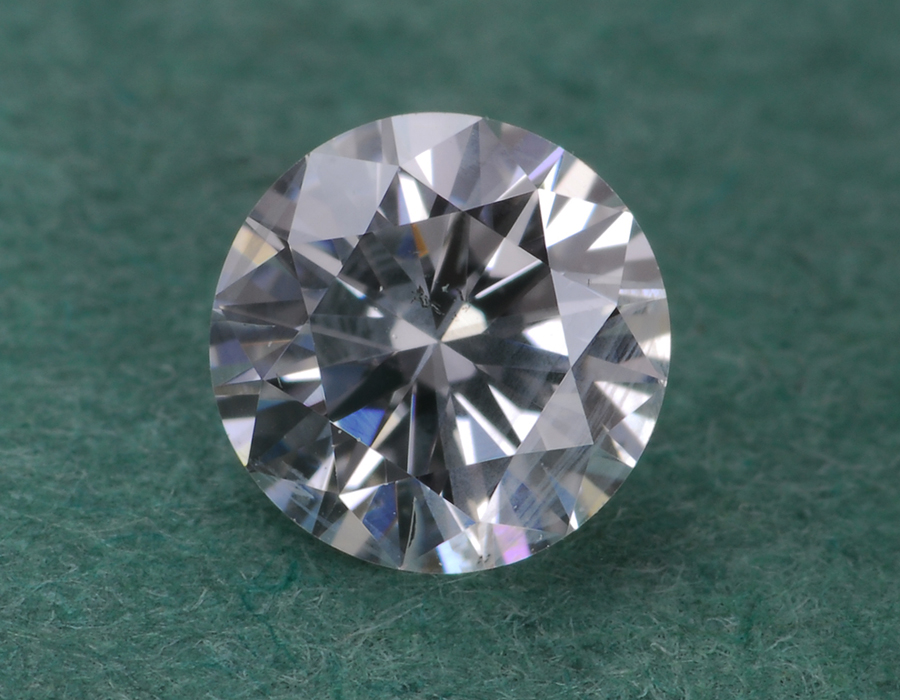
Amidst the prevailing atmosphere of royal anticipation, a curious incident unfolded, adding a touch of intrigue to the headlines. The disappearance of a valuable royal diamond earring in Hyde Park became a subject of considerable public interest, evoking comparisons to the popular detective fiction of the era. The event, which sounded like the opening chapter of an Agatha Christie novel – a writer who herself would make significant headlines later in 1926 – prompted a police investigation.
On April 3, 1926, the Daily Express reported the discovery of the missing jewel. The gem, described as weighing three carats, was valued at £300, a sum equivalent to approximately £24,000 in contemporary currency. This significant financial value, coupled with its royal provenance, ensured that the loss was treated with utmost seriousness. The circumstances surrounding the disappearance added to the mystique. The earring was reported to have gone missing "at the end of a motor drive in Hyde Park." A thorough search of the motorcar yielded no results, leaving investigators with few immediate clues.
The police were subsequently called in to assist in the recovery of the lost treasure. Officers from Vine Street were assigned to the case, tasked with unraveling the mystery. The only discernible clue to the owner of the earring was that it belonged to a member of the Royal Family who had been in London during the preceding weekend. This limited information fueled speculation, with many wondering which queen or princess had lost such a precious item. The incident, characterized by a missing valuable, a royal figure, and a scenic London park, provided fertile ground for the public’s imagination, a narrative akin to the intricate plots of contemporary mystery writers.

Shifting Royal Residences and Preparations for Family Life
Parallel to the diamond mystery, the newspapers of April 1926 were also abuzz with news concerning the Duke and Duchess of York’s living arrangements. It was widely understood that the couple were preparing for a move, driven by the impending arrival of their child. While the exact reasons were an open secret, the press often employed more circumspect language, referring to "happy news" and "joyful reasons" rather than explicitly stating the Duchess’s pregnancy.
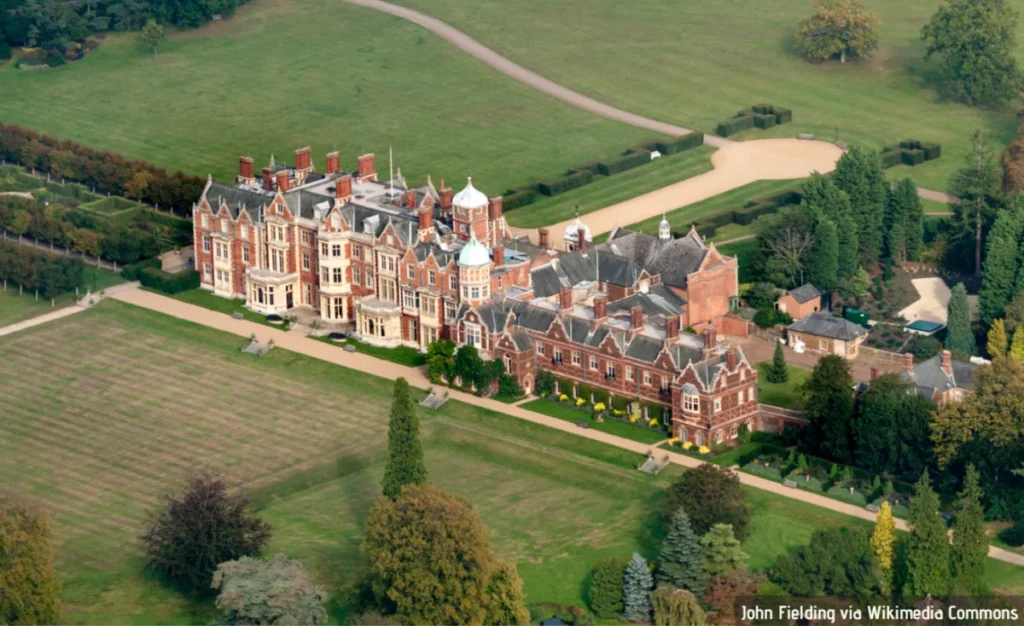
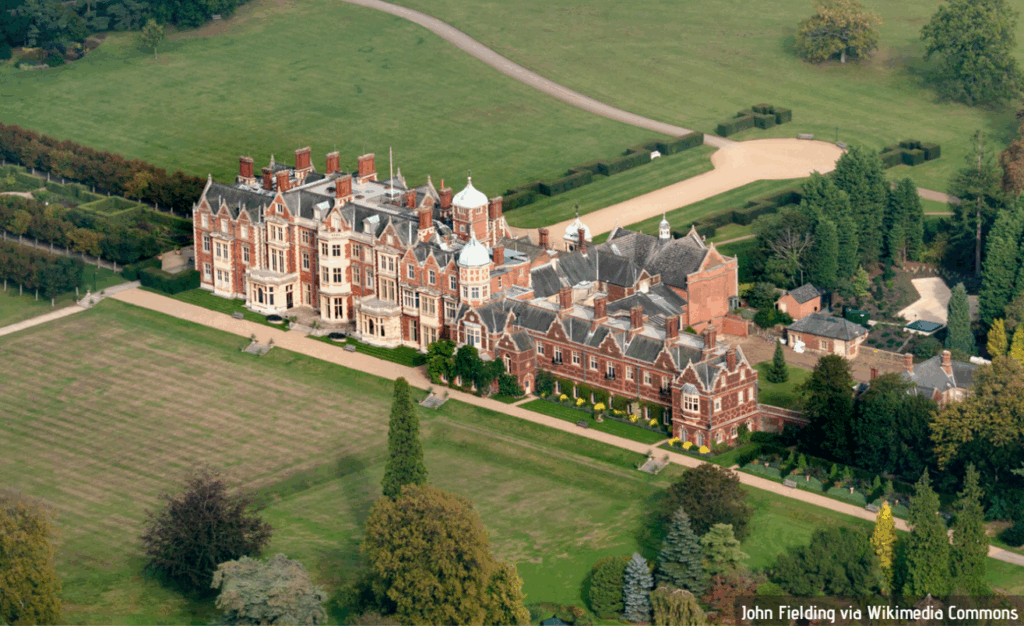
A syndicated column titled "A Woman in London," written by Sylvia Mayfair, offered insights into the royal residences. In an article published on April 3, Mayfair reported on the King and Queen’s activities at Sandringham. The royal couple had spent a significant portion of the week inspecting renovations being carried out at Sandringham House. Mayfair speculated that upon completion, "York Cottage, Sandringham," would be made available to the Duke and Duchess of York as their country residence. Although Mayfair’s prediction regarding York Cottage did not ultimately materialize, as the Duke and Duchess never resided there, her reporting underscored the general interest in their domestic arrangements and their preparations for expanding their family. Any news that involved the Duke and Duchess of York during this period was considered noteworthy, reflecting their growing public profile and the nation’s affection for them.
Royal Upbringing: Lessons in Responsibility
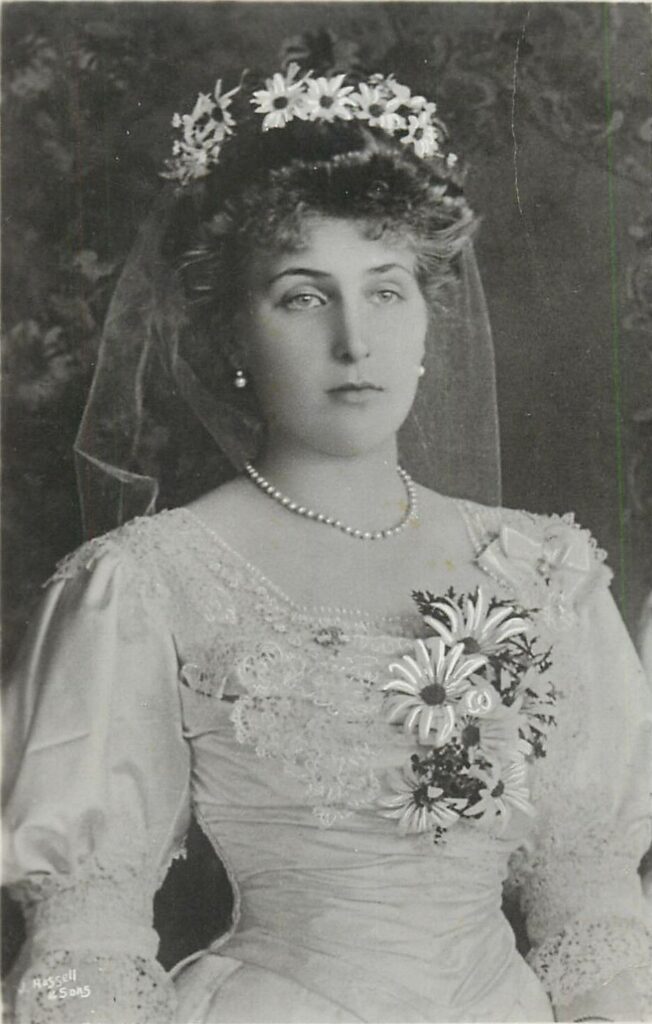
With the imminent arrival of a royal baby, discussions surrounding child-rearing and the upbringing of royal children naturally gained traction in the media. A particularly insightful piece, published on April 3, 1926, in the Staffordshire Advertiser, explored the theme of "Bringing up a Royal Family." Attributed to the Queen of Spain, Victoria Eugenie, the article was, in fact, a series of observations compiled by writer Constance Drexel following an interview with the Spanish queen, a granddaughter of Queen Victoria. The article, originally published in Pearson’s Magazine, offered a unique perspective on the challenges and philosophies of raising royal offspring.

Queen Victoria Eugenie emphasized that her children were being educated with the understanding that they were "just ordinary people without an expectation of special privileges but with only a greater sense of responsibility for good behaviour." This approach aimed to foster a sense of duty and accountability, preparing them for their future roles without an undue sense of entitlement. The article highlighted the children’s "remarkably alert" nature, their curiosity, and their ability to remain engaged and at ease, suggesting a successful implementation of the queen’s progressive parenting style.
Queen Ena, as she was affectionately known, also shared insights into her sons’ future aspirations. She noted that her eldest son, Prince Alfonso, heir to the Spanish throne at the time, intended to become a farmer, recognizing the significance of agriculture in Spain. Her third son, Infante Juan, was predicted to become an engineer, a choice that would later prove prescient, as he played a pivotal role in the restoration of the Spanish monarchy. Infante Juan, father of King Juan Carlos I and grandfather of the current King Felipe VI, was indeed instrumental in shaping modern Spain’s political landscape from exile. This perspective offered a glimpse into the carefully considered guidance provided to royal children, balancing their unique positions with a grounding in practical realities and personal aspirations.
Royal Ailments and Postponed Plans
The news cycle of April 1926 also included reports on the health of members of the Royal Family. Infante Jaime, Duke of Segovia, the second son of Queen Victoria Eugenie, made an appearance in the Rochdale Observer on April 3, detailing his departure from England after undergoing a "further three weeks’ course of treatment for ear trouble." At seventeen years old, the Infante’s ailment was a subject of public note, illustrating that even royal figures were susceptible to common health issues.
Adding to the theme of minor royal health concerns, the Prince of Wales, the future King Edward VIII, was also reported to have undergone minor surgery. The cause, as noted by several publications, was also ear trouble. This procedure, unfortunately for the Prince, necessitated the postponement of his planned Easter trip to Biarritz. The reports, while brief, served to humanize the royal family, revealing that their lives were not devoid of personal challenges, even those as mundane as ear infections. The Prince of Wales’s convalescence meant he would miss his intended holiday, a minor inconvenience perhaps, but one that still warranted reporting due to his prominent position.
The Broader Context: Royal Influence and Public Fascination
The collection of news stories from April 1926 reveals a public deeply invested in the lives of the British Royal Family. The anticipation surrounding the birth of the Duke of York’s child was a powerful unifying force, generating widespread goodwill and national pride. The disappearance of the diamond earring, while a minor event in the grand scheme, tapped into the public’s fascination with royalty, wealth, and intrigue, providing a welcome diversion and a touch of mystery.
The discussions about royal upbringing, as exemplified by Queen Victoria Eugenie’s interviews, reflected a growing public interest in the nuances of aristocratic life and the education of future leaders. These articles offered a window into the values and expectations placed upon royal children, emphasizing responsibility and public service. Even reports of minor ailments served to underscore the humanity of these prominent figures, making them more relatable to the general populace.
The year 1926 was a pivotal one for the British monarchy. The birth of Princess Elizabeth laid the foundation for a future reign of unparalleled length and significance. The events of April, though seemingly disparate, collectively illustrate the enduring power of the monarchy to capture the public imagination, shaping national sentiment and providing a constant source of interest and discussion. The confluence of a highly anticipated royal birth, a curious jewel mystery, and insights into royal domesticity and parenting created a rich tapestry of news that resonated with the public, highlighting the unique position the Royal Family occupied in the national consciousness. The era was one where royal news was unequivocally considered "good news," a testament to the enduring appeal and stability the monarchy represented.