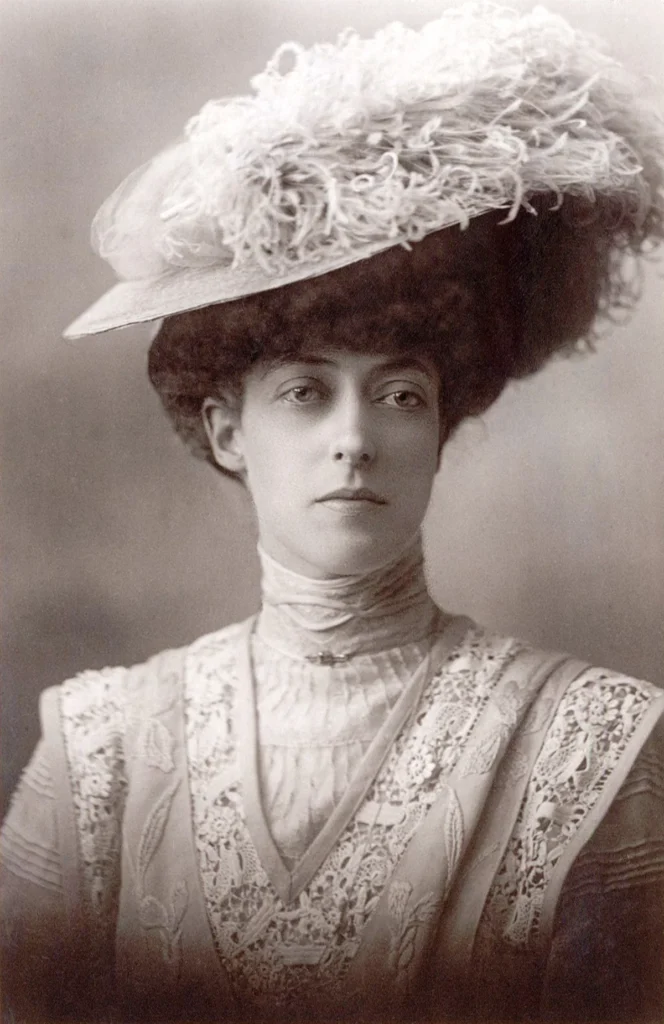

In April 1926, the British press was awash with royal news, a captivating blend of societal expectation, genuine concern for a beloved royal, and the burgeoning whispers of romance that would soon captivate the nation. The air was thick with anticipation for the arrival of the first child of the Duke and Duchess of York, the future King George VI and Queen Elizabeth (the Queen Mother). This impending birth, a significant event for the House of Windsor, dominated headlines, yet it shared the spotlight with poignant stories concerning the health of Princess Victoria, King George V’s sister, and intriguing glimpses into the personal lives of other royal figures. The confluence of these narratives painted a rich portrait of a monarchy at a moment of transition and personal drama, set against the backdrop of a nation observing its royal family with keen interest.
A Nation Holds its Breath for a Royal Heir
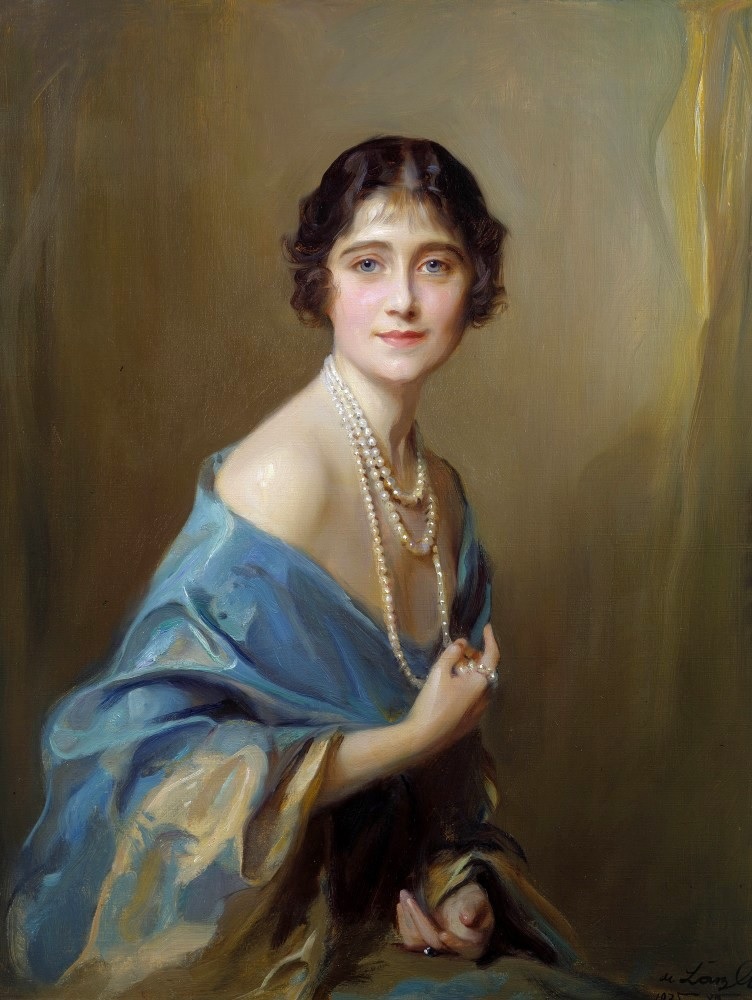
The most prominent story of April 1926 was the eagerly awaited birth of the Duke and Duchess of York’s first child. The second in line to the throne, the Duke, known for his stammer and reserved nature, and his charismatic wife, Elizabeth, were poised to become parents. Royal baby mania, a phenomenon that would become a recurring motif in British royal history, was already gaining momentum as the month began. The public’s fascination with the private lives of the royal family was amplified by the prospect of a new generation taking shape. Newspapers meticulously documented every rumour and detail, fostering a sense of shared excitement across the United Kingdom.
While the exact date of the birth remained a closely guarded secret, publications like The People boldly speculated on the timing and location. On Easter Sunday, April 4th, The People reported that "the Duchess of York’s baby is expected to arrive early in May at 17 Bruton Street, the Duchess’s old home." This directness was unusual for the time, as such events were often referred to in more delicate terms like "the forthcoming happy event." The accuracy of the newspaper’s prediction was remarkable; while the baby, Princess Elizabeth, would not be born until April 21st, the location of her birth at 17 Bruton Street, then the London residence of the Duke and Duchess of York, proved correct. This detail underscored the intense public desire for concrete information and the media’s efforts to satisfy it.
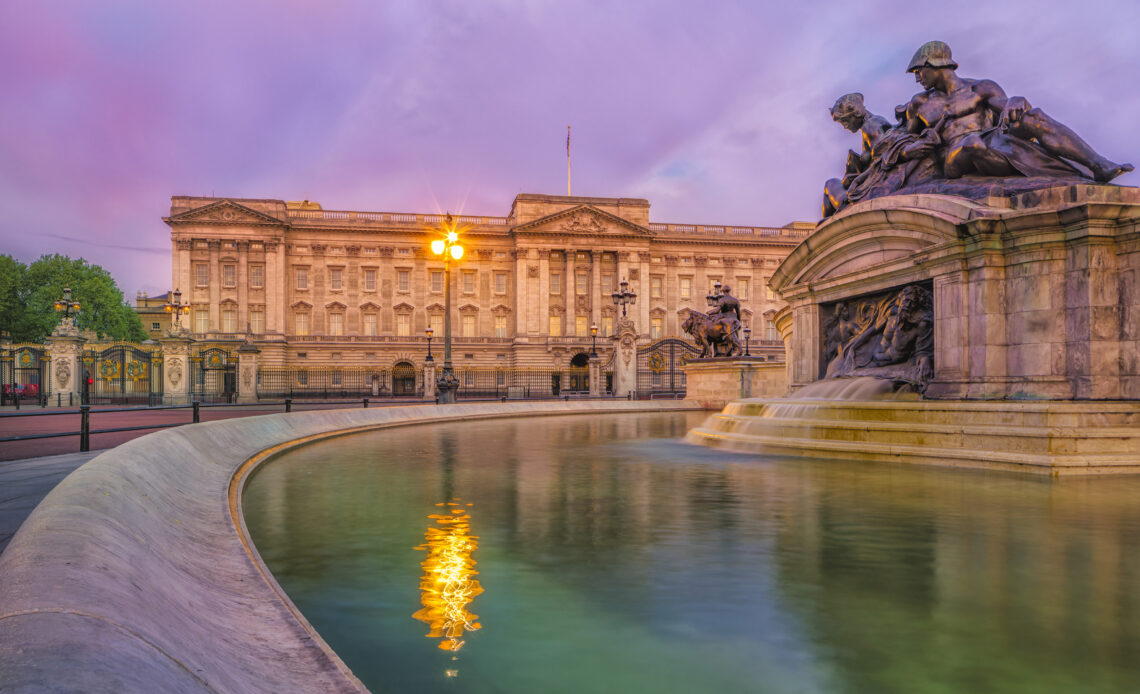
The impending birth had significant implications for the line of succession. Princess Elizabeth’s arrival would place her third in line to the throne, behind her uncle, Edward, Prince of Wales, and her father, the Duke of York. This secured the direct lineage of the monarchy and offered a sense of stability and continuity to the nation. The birth of a healthy heir was not just a personal joy for the royal couple but a matter of national importance, symbolizing the enduring strength of the British Crown.
Deepening Concerns for Princess Victoria
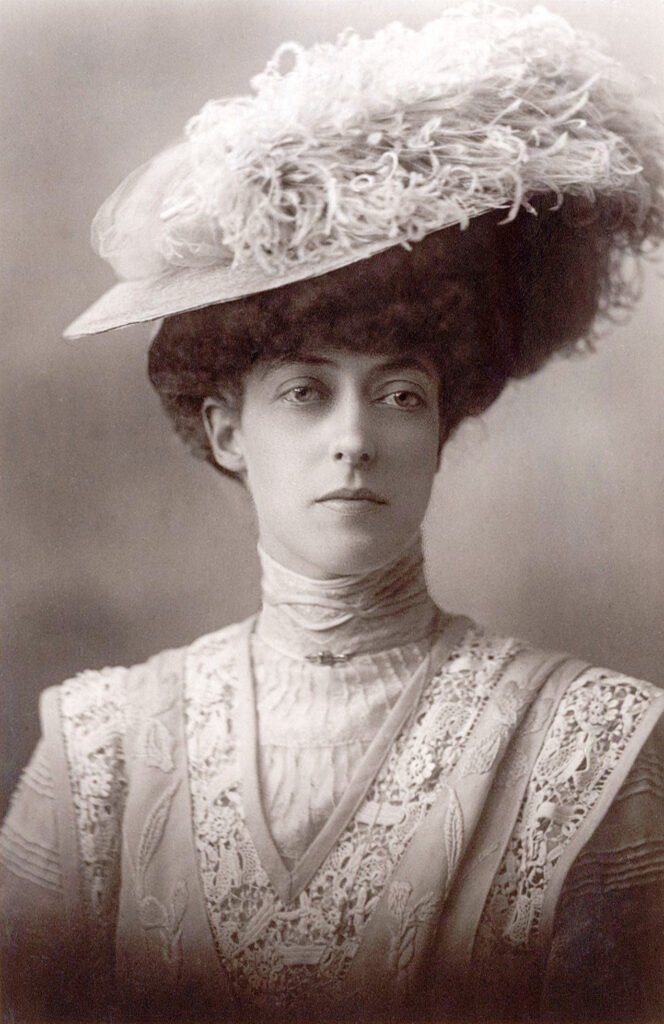
While the nation looked forward with joy, a shadow of concern loomed over the health of Princess Victoria, one of King George V’s three sisters. Her prolonged illness with pneumonia had been a subject of considerable public discussion and anxiety for some time. Easter Sunday papers on April 4th carried updates on her condition, reflecting the gravity of the situation. The Sunday Express published a bulletin stating, "although the pneumonia is resolving, the strain on the heart remains great." This carefully worded statement, issued the previous day, acknowledged the progress in fighting the infection but highlighted the significant toll it had taken on her weakened heart.
Princess Victoria, born in 1868, was a familiar figure in royal circles, known for her close ties to her family and her love for animals. Her illness resonated with the public, who saw her as a respected member of the royal family. The press coverage of her health reflected a genuine public empathy, a testament to the perceived personal qualities of the Princess.
The Sunday Mirror, in an effort to inject a note of optimism amidst the ongoing worry, reported on Prince George, the youngest surviving son of King George V, making efforts to cheer his aunt. Stationed with the Royal Navy, Prince George reportedly sent "racy letters from the various ports, illustrated by the little thumbnail sketches which he knows so well how to do." These missives, described as a "great joy to her," offered a glimpse into the personal efforts being made to support Princess Victoria during her convalescence, showcasing a more intimate side of royal relations.
A Royal Life Under Scrutiny: Princess Victoria’s Story
Further adding to the narrative surrounding Princess Victoria, the Sunday Sun of Newcastle published a piece that bordered on a quasi-obituary, portraying her as somewhat of a victim of royal life. The article focused on the profound impact that leaving her long-time home at Sandringham had on her well-being. "The leaving of beloved Sandringham, where she had been for so many years, was a heavy trial," the paper noted, suggesting that her attachment to the estate was a significant emotional burden.
The article also delved into her devotion to her mother, Queen Alexandra, who had passed away the previous November. The Sunday Sun described Queen Alexandra as having "clung with pathetic affection to Princess Victoria," who in turn was "afflicted with peculiar severity" by the loss of the former Queen Mother. This portrayal painted a picture of deep familial bonds and the profound grief that Princess Victoria was experiencing, exacerbated by her own ill health. The paper further recalled that Princess Victoria had been affectionately called "The Unselfish Princess" by her late father, King Edward VII, and that she herself had reportedly heard someone refer to her as "the Unknown Princess." This juxtaposition of endearing and perhaps melancholic nicknames hinted at a complex personal identity, shaped by duty and perhaps a sense of being overlooked.
A Glimpse into the Duke of Norfolk’s Character
Amidst the more somber news and the joyous anticipation, The People also provided a curious anecdote about the Duke of Norfolk. As Earl Marshal, he held the significant responsibility of organizing major Crown events, a role that would later see him orchestrate the coronation of the baby soon to be born. However, in April 1926, his public persona was touched upon with a lighthearted, if somewhat unusual, detail. The newspaper noted that the Duke, "not musical but has been practising lassoing, a rather difficult art in a London ballroom but useful at times for the removal of a dull guest." This peculiar hobby, while amusing, offered a rare insight into the personal pursuits of a prominent figure associated with royal pageantry. The article wryly commented that presumably, no one at the 1952 Coronation was deemed "dull" enough to warrant the Duke’s lassoing skills, as he was never observed employing this particular talent in public during such formal occasions.
The Whispers of Royal Romance: Crown Prince Olav’s Courtship
The Easter Sunday papers were also enlivened by a touch of royal romance, courtesy of the then Crown Prince Olav of Norway, who would later reign as King Olav V, one of the most revered monarchs of the 20th century. On April 4, 1926, he was the subject of much speculation regarding his burgeoning love life. Reynold’s Newspaper, among other publications, reported on an imminent announcement of his betrothal. The article stated, "the betrothal of the Crown Prince of Norway will be announced shortly. The bride-elect is a member of the British Royal Family, closely related to The Queen."
This report, however, proved to be inaccurate. While Crown Prince Olav was indeed set to marry into royalty, his chosen bride was not a member of the British Royal Family as speculated. He would eventually fall in love with and marry Princess Märtha of Sweden in 1929. This romantic entanglement, or rather the public’s fervent speculation about it, highlighted the enduring fascination with royal matchmaking and the media’s eagerness to break exclusive news about such significant personal milestones. The misdirection in the reporting, while ultimately proving incorrect, underscored the intense interest in the personal lives of European royals and the constant pursuit of romantic narratives.
A Legacy of Pioneering Princesses
Bringing the narrative full circle, the Sunday Mirror also offered a nostalgic look back at the more adventurous past of Princess Victoria, the subject of such recent concern. The paper highlighted her as a "pioneer" of the Royal Family, recalling an episode from her youth. Along with her sister Maud, who would become Queen of Norway and the mother of Crown Prince Olav, Princess Victoria had "amazed London by bicycling in Battersea Park." The article did not specify whether it was the novelty of the bicycle itself or the sight of two royal princesses venturing as far south as Battersea Park that caused such a stir among Londoners. This anecdote served as a charming reminder of a time when royal figures were beginning to break from more rigid traditions, embracing new forms of recreation and subtly challenging societal expectations. It painted a picture of Princess Victoria not just as a figure of concern, but as a woman who, in her youth, had been part of a quiet revolution in royal behaviour.
In conclusion, April 1926 presented a multi-faceted view of the British monarchy. The impending arrival of a new heir symbolized continuity and future promise, while the precarious health of Princess Victoria evoked sympathy and concern. The intriguing, albeit inaccurate, reports of Crown Prince Olav’s engagement added a layer of romantic speculation, and even the Duke of Norfolk’s unusual hobbies provided a splash of lightheartedness. These interwoven narratives, captured by the press of the day, offered a compelling snapshot of a royal family navigating personal challenges and public expectations, a tapestry of human experience set against the enduring backdrop of the Crown. The events of that spring would echo through history, shaping the future of the monarchy and capturing the public imagination for generations to come.