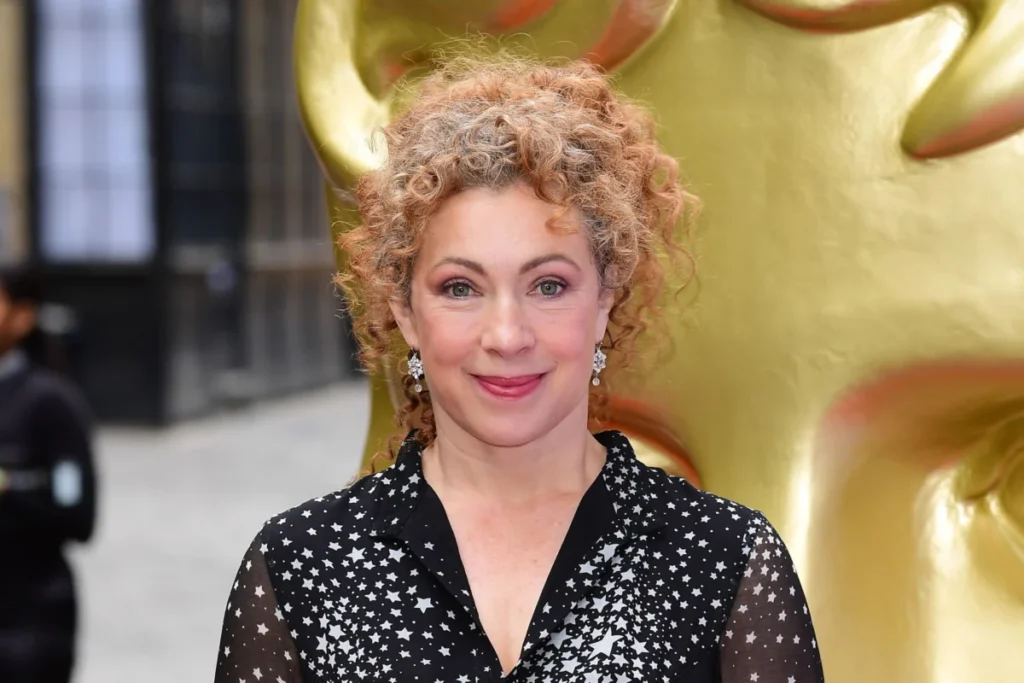

Veteran actress Alex Kingston, renowned for her roles in critically acclaimed series such as Doctor Who and ER, has openly shared that her participation in the BBC’s flagship dancing competition, Strictly Come Dancing, served as a "perfect antidote" during her recovery from uterine cancer. The 63-year-old star, who bravely revealed her diagnosis while competing on the show last year alongside professional dancer Johannes Radebe, has shed further light on her journey, highlighting the profound impact the experience had on her physical and emotional well-being.
A Journey of Resilience and Revelation
Kingston’s disclosure of her uterine cancer diagnosis, which came to light during her 2025 run on Strictly Come Dancing, captivated audiences and garnered widespread support. Her candidness offered a rare glimpse into the personal struggles faced by public figures, resonating deeply with many. Prior to her Strictly appearance, Kingston underwent a hysterectomy and radiation therapy, standard treatments for uterine cancer, which she has previously discussed. The decision to embark on the demanding Strictly regimen shortly after such intensive medical interventions speaks volumes about her indomitable spirit and determination to reclaim her life with vigour.
In a recent interview with Saga Magazine, Kingston articulated the transformative nature of her Strictly experience. "I knew I could hear a beat and that I didn’t have two left feet, and I love dancing to Latin music, but I certainly didn’t think that I was going to be able to do any ballroom dancing," she confessed, reflecting on her initial reservations. Despite her doubts, the journey proved to be immensely rewarding. "I have to say, I truly loved my experience, and it was the perfect antidote to coming through cancer treatment," she added. Her partnership with Johannes Radebe, a fan-favourite professional known for his charisma and empathetic teaching style, was particularly cherished. "To be paired with Johannes Radebe was a dream. He’s got a beautiful soul," Kingston remarked, underscoring the vital role her professional partner played in her therapeutic journey.
The Professional and Personal Impact of Diagnosis

The path to diagnosis and treatment for a public figure like Kingston is often fraught with unique challenges, including the pressure to maintain a professional facade and the inherent instability of the acting profession. Kingston revealed the immediate professional repercussions of her diagnosis. "I was due to start another TV show when I was diagnosed with cancer and had to walk away – something I’d never done before and which felt very uncomfortable," she shared. This decision, though medically necessary, triggered anxieties common among actors. "Like many actors, you always fear you won’t work again and I worried people might think I was unreliable." This candid admission highlights the vulnerability even established stars face, where health crises can intersect with career uncertainties.
However, Kingston’s resilience shone through. Her upcoming ITV drama, Secret Service, marks her return to the screen post-treatment. "Secret Service was the first job I was offered after treatment and it felt perfect – not a huge role but enough to ease me back in," she explained. This measured return signifies a thoughtful approach to re-engaging with her career, balancing professional commitments with personal recovery. Her battle with cancer has also profoundly shaped her life philosophy. "I’ve always been a positive, glass half-full type of person, and going through a cancer journey has made me double down on that," she affirmed. "It makes you confront your mortality but I intend to live to 100." This defiant optimism serves as an inspiring message of hope and determination.
A Chronology of Health and Career
Alex Kingston’s recent health journey and its intersection with her professional life can be traced through a clear timeline:
- 2024: Kingston is diagnosed with uterine cancer. This period involves medical consultations, difficult decisions regarding treatment, and the immediate impact on her planned professional engagements, including withdrawing from a television project.
- Late 2024/Early 2025: Kingston undergoes intensive treatment for uterine cancer, including a hysterectomy and radiation therapy. This phase is physically and emotionally taxing, demanding immense personal strength and resilience.
- 2025: Following her treatment, Kingston joins the cast of Strictly Come Dancing. Her participation, partnered with Johannes Radebe, becomes a significant part of her recovery, offering physical activity, mental distraction, and emotional support. It is during this time that she bravely shares her diagnosis publicly.
- Late 2025/Early 2026: Kingston receives an offer for her first acting role post-treatment in the ITV drama Secret Service. She accepts, viewing it as a gentle re-entry into her professional life.
- March 2026: Kingston shares her comprehensive experience in an interview with Saga Magazine, elaborating on her cancer journey, her time on Strictly, and her outlook on life and career.
This chronology underscores not only the medical battle she faced but also her proactive approach to healing and her unwavering commitment to her craft.
The Broader Context: Uterine Cancer and Women’s Health

Uterine cancer, also known as endometrial cancer, is the most common gynecologic cancer in many developed countries. According to Cancer Research UK, there are approximately 9,700 new cases of womb cancer in the UK each year. It primarily affects women after menopause, though cases can occur at younger ages. Symptoms often include abnormal vaginal bleeding, particularly post-menopausal bleeding, pelvic pain, or pain during intercourse. Early diagnosis is crucial for successful treatment, which typically involves surgery (hysterectomy to remove the uterus), radiation therapy, chemotherapy, or hormone therapy.
Kingston’s openness about her diagnosis contributes significantly to raising awareness about this form of cancer, encouraging women to be vigilant about symptoms and seek medical advice promptly. Public figures sharing their health battles can help destigmatize the disease and foster a more supportive environment for those undergoing similar experiences.
The Healing Power of Dance: Strictly Come Dancing‘s Therapeutic Role
Strictly Come Dancing is more than just an entertainment spectacle; for many contestants, it becomes a journey of personal growth and, in some cases, a therapeutic experience. The physical demands of training, which involves hours of intense practice each day, offer significant health benefits, improving cardiovascular fitness, muscle strength, flexibility, and balance. For someone recovering from cancer treatment, controlled physical activity can aid in regaining strength and mobility lost during illness and treatment.
Beyond the physical, the psychological benefits are profound. The focus required for learning complex routines, the camaraderie with a professional partner, and the sheer joy of performance can provide a powerful distraction from anxieties and emotional distress. Endorphins released during exercise contribute to improved mood, and the sense of accomplishment from mastering a dance can significantly boost self-esteem and confidence. For Kingston, Strictly offered a structured environment where she could challenge herself physically and mentally, channeling her energy into something creative and joyful, effectively serving as an "antidote" to the arduous process of cancer recovery. The vibrant costumes, the music, and the supportive atmosphere of the show can collectively foster a sense of vitality and celebration of life, which is invaluable during a post-cancer period.
Previous Struggles: Fertility and IVF

Kingston’s recent revelations also connect to her past struggles with fertility, a journey she has previously discussed publicly. She candidly spoke about undergoing multiple rounds of in vitro fertilization (IVF) treatment to conceive her daughter, Salome, who was born in 2001. Her experience with IVF was undeniably challenging. "Going through IVF to have my daughter Salome was very tough," she recalled in the Saga Magazine interview. "It builds up incrementally because you’re on this track and you knuckle down and do it because you have this end game."
The emotional and physical toll of IVF is often underestimated. "But it is hugely debilitating, and I think when one’s in it, one’s not fully aware of how debilitating it can be, particularly if you go through several cycles as I did," Kingston elaborated. This honesty sheds light on the often-private suffering associated with fertility treatments, which involve hormone injections, medical procedures, and the emotional rollercoaster of hope and disappointment.
Intriguingly, Kingston also pondered a potential link between her past fertility treatments and her recent cancer diagnosis. "I was diagnosed with uterine cancer in 2024 and I do wonder whether it’s connected in some way," she stated. While this remains her personal speculation and not a definitive medical conclusion, it highlights an ongoing area of discussion and research within the medical community regarding the long-term effects of fertility treatments and their potential influence on reproductive health. Studies have explored possible associations between IVF and certain gynecological cancers, though findings are often complex and require further investigation. Kingston’s willingness to voice such thoughts contributes to the broader conversation surrounding women’s reproductive health and the need for comprehensive understanding and support throughout their lives.
Implications and Public Advocacy
Alex Kingston’s journey from diagnosis through recovery, culminating in her Strictly Come Dancing triumph and subsequent return to acting, offers a powerful narrative of resilience and hope. Her decision to share such intimate details of her health battles has significant implications:
- Destigmatization of Cancer: By openly discussing uterine cancer, Kingston helps to normalize conversations around women’s health issues, encouraging others to seek timely medical attention and reduce the fear often associated with cancer diagnoses.
- Visibility for Older Women: As a woman in her sixties, Kingston’s active participation in Strictly and her return to demanding acting roles challenges ageist stereotypes, demonstrating that vitality and professional engagement can continue well beyond conventional retirement ages, even after significant health challenges.
- The Power of Personal Storytelling: Celebrity endorsements and personal stories can be highly effective in public health campaigns, reaching wide audiences and influencing health-seeking behaviours more effectively than purely clinical information.
- Mind-Body Connection in Healing: Her experience on Strictly underscores the profound link between physical activity, mental well-being, and recovery from illness, providing a compelling example of holistic healing.
- Advocacy for Fertility Awareness: Her reflections on IVF highlight the physical and emotional burden of fertility treatments, fostering empathy and understanding for countless individuals facing similar struggles. Her question about a potential link to uterine cancer also subtly calls for more research and public discourse on the long-term health implications of such treatments.
In conclusion, Alex Kingston’s journey stands as a testament to the strength of the human spirit. Her candidness regarding her uterine cancer diagnosis, her embrace of Strictly Come Dancing as a vehicle for healing, and her ongoing reflections on past fertility struggles offer invaluable insights into the multifaceted challenges women face in navigating health crises and life’s complexities. Her story, detailed in the April issue of Saga Magazine, is not just a personal account but a beacon of inspiration, reminding us of the power of positivity, perseverance, and the transformative potential of embracing life, even in the face of adversity.