
The year 1926 began with a nation abuzz with anticipation, not solely for the Easter festivities, but for a significant event within the British Royal Family: the impending arrival of a new prince or princess. As April unfolded, the newspapers of the United Kingdom were a tapestry of royal bulletins, chronicling the final stages of the Duchess of York’s pregnancy. The Duke and Duchess of York, then Prince Albert and Lady Elizabeth Bowes-Lyon, were on the cusp of becoming parents for the first time. This child, though destined to be third in line to the throne, was initially envisioned to lead a life outside the direct spotlight of monarchy, as a cousin to the reigning monarch. However, as history often dramatically illustrates, fate had meticulously drafted a far grander destiny for this yet-to-be-born royal. Royal Central revisits the unfolding narrative of the countdown to the birth of the baby who would ultimately ascend to the throne as Queen Elizabeth II, a monarch whose reign would redefine British history.
The Prince of Wales’s Seaside Sojourn: A Royal Uncle’s Ailment
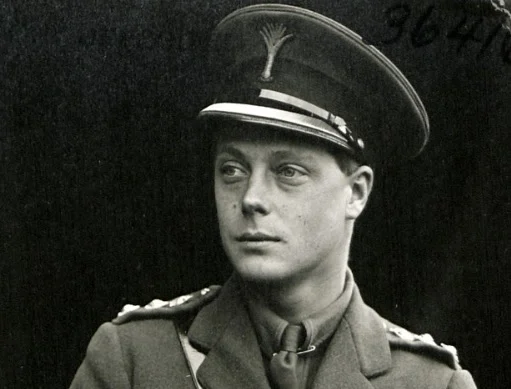
In the early days of April 1926, amidst the palpable excitement surrounding the royal birth, public attention was also drawn to a prominent member of the Royal Family: Edward, Prince of Wales. At 32 years old, he was the most recognisable heir to a throne globally, a figure of immense charm and popularity. However, the Prince had recently been unwell, succumbing to the prevalent influenza that had complicated into an ear infection, necessitating a minor surgical intervention. The Sheffield Daily Telegraph, in its reporting on April 8, revealed that the Prince had been advised to seek restorative sea air. The challenge, however, lay in finding a suitable and private location for his convalescence.
The article highlighted a peculiar predicament: "no member of the Royal Family could lend him a seaside house." This statement, while seemingly straightforward, hinted at the intricate protocols and established residences within the royal sphere. The Telegraph elaborated on potential options, noting that even Sandringham, the King’s Norfolk estate, possessed an "inland climate" and thus was not ideal for the prescribed sea air. A closer option, Carisbrooke Castle on the Isle of Wight, the official residence of Princess Beatrice, was geographically nearer to the sea. Yet, the report indicated that "the Prince has no desire to stay there," a subtle but telling observation about the Prince of Wales’s personal preferences and perhaps his burgeoning desire for independence from more traditional royal settings. His inclination towards the "headier climes of the continent" was already evident, making a prolonged stay with his Great Aunt Beatrice on the Isle of Wight a less appealing prospect. This episode underscores the Prince of Wales’s distinct personality and his early divergence from conventional royal expectations, a trait that would later profoundly shape his life and the monarchy itself.
The FA Cup Final: A Nation’s Sporting Passion and Royal Presence
While the nation’s gaze was partially fixed on the impending royal birth, the sporting calendar continued its relentless march, with the upcoming FA Cup Final capturing significant public interest. The Manchester Evening News dedicated substantial coverage to this event, pitting Manchester City against Bolton Wanderers. Demonstrating the paper’s keen awareness of its readership’s priorities, the report began with an assessment of the pitch condition, deemed "almost perfect," before delving into the pressing issue of ticket touts and measures to curb their exploitative practices. The desperate desire of fans to witness their teams compete in such a prestigious final was a recurring theme in sports reporting of the era.
Tucked away towards the end of the detailed football report, a discreet line served as a subtle indicator of the enduring connection between the monarchy and national events: "we are not yet in a position to say whether any member of the Royal Family will be there." This phrasing, characteristic of the era’s journalistic style, acknowledged the possibility of royal attendance without making a definitive statement, reflecting the delicate balance between public interest and royal privacy. In the event, King George V did attend the final on April 24th. His presence was not merely symbolic; he intended to cheer on both teams, a gesture of impartiality, and crucially, to present the coveted FA Cup to the victors. The Manchester Evening News, however, was less jubilant with the outcome, as Bolton Wanderers emerged victorious with a narrow 1-0 win. This particular match, therefore, served as a microcosm of the era, blending national sporting fervor with the ever-present, though sometimes understated, presence of the Royal Family.
A Hint of Royal Residence and an Unforeseen Succession
The prevailing narrative in April 1926, across numerous publications including The Scotsman, was undeniably centred on the imminent arrival of the royal baby. Reports detailed that King George V and Queen Mary had paid a visit to the expectant parents, the Duke and Duchess of York, at their new London residence on Bruton Street. The couple had taken up occupancy on April 6th, immediately following their Easter break. This property was the London home of the Duchess of York’s parents, the Earl and Countess of Strathmore. However, The Lincolnshire Echo offered a more nuanced perspective on the significance of this move, hinting at underlying considerations beyond mere familial accommodation.
For some time, Prince Albert and Lady Elizabeth had resided in rented properties since their marriage in 1923. As the second son of the King, the Duke of York held a significant position in the line of succession. Yet, his path to the throne was considered a distant one. The prevailing expectation was that his elder brother, the charismatic and widely admired Prince of Wales, Edward, would ascend the throne. As the most eligible bachelor of his time, it was widely assumed that Edward would marry, producing a direct line of heirs to secure the future of the monarchy. Consequently, the impending birth of the royal baby, while a joyous occasion, was not widely perceived as ushering in a future monarch in the immediate sense.
It was in this context that The Lincolnshire Echo, in its "London Gossip" column on April 8th, introduced a fascinating speculative element. The publication reported whispers suggesting that the move to Bruton Street was influenced by more than just convenience. The article stated, "it is said that the idea that a possible Sovereign might be born in a house temporarily rented was not liked in certain quarters." This insightful observation, appearing just days before the baby’s birth, marked one of the earliest public suggestions that this royal child could, indeed, be destined for the throne. This seemingly minor detail foreshadowed the dramatic turn of events that would reshape the course of British history.
The abdication of King Edward VIII in 1936 to marry Wallis Simpson, a divorced American socialite, irrevocably altered the line of succession. This unprecedented event propelled the Duke of York to the throne as King George VI. By this time, the royal baby born in 1926 was a ten-year-old princess. The abdication placed her as the heir presumptive, a role she would embrace with unwavering dedication. In 1952, following the untimely death of her father, she ascended to the throne as Queen Elizabeth II. Her reign, spanning over seven decades, would become the longest in British history, a testament to her enduring commitment and the unforeseen trajectory that began with a quiet anticipation in April 1926.
Supporting Data and Contextual Analysis
The period leading up to the birth of Princess Elizabeth in April 1926 was marked by specific socio-political and economic conditions that influenced public discourse and royal reporting. Britain was still navigating the aftermath of World War I, grappling with industrial unrest, and undergoing significant social changes. The monarchy, while retaining its symbolic importance, was also subject to increasing public scrutiny and evolving expectations regarding its role and accessibility.
Timeline of Key Events:
- Early April 1926: Prince Albert, Duke of York, and Lady Elizabeth Bowes-Lyon are awaiting the birth of their first child. Newspapers are actively covering royal news.
- April 8, 1926: Reports emerge about the Prince of Wales’s convalescence and his search for a seaside residence, highlighting his independent spirit. The Lincolnshire Echo publishes a "London Gossip" column hinting at concerns about a potential sovereign being born in a rented property.
- April 24, 1926: The FA Cup Final takes place, attended by King George V. Bolton Wanderers defeat Manchester City.
- April 26, 1926: Princess Elizabeth Alexandra Mary is born at 17 Grosvenor Square, London.
- 1936: King Edward VIII abdicates the throne. Prince Albert becomes King George VI. Princess Elizabeth becomes heir presumptive.
- 1952: Queen Elizabeth II ascends to the throne upon the death of her father.
Supporting Data and Implications:
- Line of Succession: In 1926, the line of succession was: 1. Edward, Prince of Wales; 2. Prince Albert, Duke of York; 3. Princess Elizabeth. The abdication of Edward VIII in 1936 dramatically shifted this, placing Elizabeth first in line.
- Royal Residences: The mention of Sandringham and Carisbrooke Castle highlights the established network of royal properties. The Prince of Wales’s preference for continental travel and aversion to certain royal residences underscores his unconventional nature, a factor that would ultimately lead to his abdication.
- Media Influence: The reporting by newspapers like the Sheffield Daily Telegraph, The Manchester Evening News, The Scotsman, and The Lincolnshire Echo demonstrates the media’s role in shaping public perception of the Royal Family. The "London Gossip" column, in particular, reveals an awareness of the political sensitivities surrounding royal births and the monarchy’s future.
- The Role of the Monarchy: The contrast between the Duke of York’s expected life of relative obscurity and Princess Elizabeth’s eventual destiny as monarch illustrates the fluid and often unpredictable nature of royal succession. The abdication crisis of 1936, a pivotal moment, transformed the expectations placed upon the young princess.
- Queen Elizabeth II’s Reign: Her eventual ascension and record-breaking reign of over 70 years have solidified her image as a figure of immense stability and continuity for the United Kingdom and the Commonwealth. Her upbringing, initially outside the direct line of succession, may have contributed to a unique perspective and preparedness for the extraordinary demands of her role. The circumstances of her birth and the subsequent events that propelled her to the throne underscore the unpredictable currents of history that can shape even the most established institutions.
The narrative of Queen Elizabeth II’s birth is more than just a chronicle of a royal event; it is a compelling illustration of how destiny can diverge from initial expectations, and how the personal choices of individuals, coupled with unforeseen historical circumstances, can fundamentally alter the course of nations and the legacy of those who lead them. The quiet anticipation in April 1926 belied the monumental historical role that the infant princess was destined to play, a role that would define the latter half of the 20th century and the early years of the 21st.