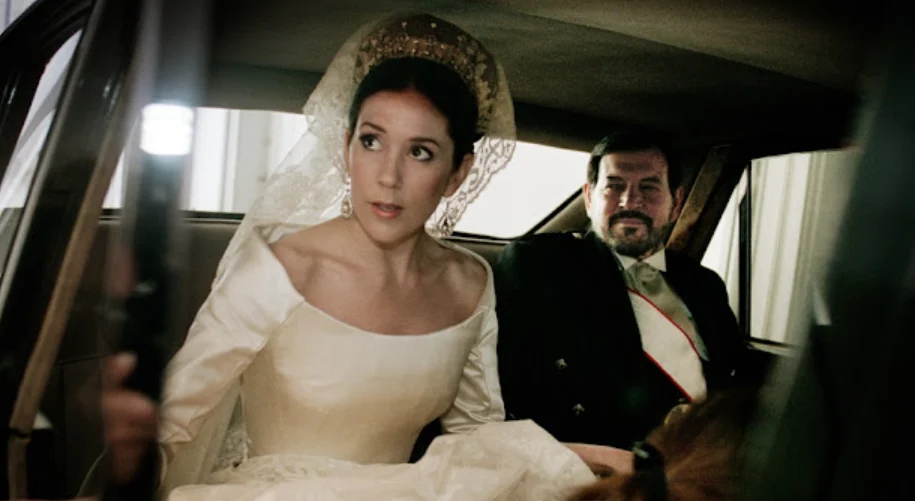

The year 2004 marked a pivotal moment in Danish royal history, a year that saw an Australian-born commoner ascend to the precipice of becoming Queen. Amidst the grandeur and solemnity of a nation’s anticipation, a single photograph emerged from the wedding of Crown Prince Frederik and Mary Elizabeth Donaldson, a snapshot that transcended the pomp and circumstance to capture a profound human connection. The image, depicting a young Mary walking into Copenhagen Cathedral with her father, Professor John Dalgleish Donaldson, has become an enduring symbol of paternal love and the quiet strength that underpins monumental life transitions. This iconic photograph, taken on May 14, 2004, not only documented a significant royal event but also offered a rare and intimate glimpse into the personal journey of a future queen, guided by the unwavering support of her father.
The Genesis of a Royal Romance and a Historic Wedding
The path to the altar for Crown Prince Frederik and Mary Donaldson was a modern fairy tale, beginning in an unlikely setting: a Sydney bar in the year 2000. Their serendipitous meeting, amidst the vibrant energy of the Olympic Games, ignited a romance that would captivate the world. As their relationship blossomed, Mary, a marketing executive from Tasmania, found herself increasingly under the global spotlight. The Danish public, initially curious, soon embraced her, and speculation about her future as Queen Consort grew with each passing public appearance.
The official engagement, announced in October 2003, set in motion a meticulously planned series of events leading to the grand wedding. The Danish Royal House, known for its tradition and elegance, prepared for an occasion that would be witnessed by millions. Copenhagen Cathedral, a historic landmark steeped in centuries of royal tradition, was chosen as the venue for the ceremony. The air in Denmark was thick with excitement, a blend of national pride and the fascination with a romance that had bridged continents and social divides.
A Moment Frozen in Time: The Iconic Walk
The photograph in question was captured as Mary, on the cusp of her new life as Crown Princess, made her way from her transport to the hallowed doors of Copenhagen Cathedral. The image is a study in contrasts: Mary, outwardly composed but with an undeniable focus on the monumental task ahead, and her father, Professor John Donaldson, exuding a palpable sense of calm pride and protective vigilance.
In the frame, Mary appears to be concentrating intently, her gaze directed forward, perhaps absorbing the weight of the moment, the cheers of the throngs lining the streets, and the anticipation of the royal assembly within. Her expression conveys a delicate balance of nerves and resolute determination. This was not merely a wedding; it was the formal embrace of a new identity, a transition from Mary Elizabeth Donaldson to a future Queen of Denmark.
Professor Donaldson, standing beside his daughter, presents a picture of quiet strength. His posture suggests a readiness to offer support, a steadfast presence in the face of overwhelming public attention. His eyes, though not directly captured in intense focus, seem to convey a deep well of paternal love and pride. It is this subtle but powerful depiction of his readiness to be there for his daughter, to shield her from any perceived unease, that elevates the photograph beyond a simple record of a wedding procession. It speaks to the universal bond between a father and his child, particularly on a day of such profound personal and public significance.
The article notes that despite any potential anxiety Mary might have felt, the photograph captures her "image of calm" as she approached the cathedral. This suggests that the presence and support of her father were instrumental in grounding her amidst the whirlwind of the event. The tens of thousands of cheering Danes, the flashing cameras, and the weight of expectation all converged, yet in that shared walk, a private moment of familial reassurance unfolded.
The Spectacle Within and the Personal Touch
Upon arrival at Copenhagen Cathedral, the scene was one of unparalleled royal splendor. Heads of state, European royalty, esteemed politicians, and dignitaries filled the pews, a testament to the global significance of the union. The traditional Danish royal wedding music, including Handel’s "Zadok the Priest," swelled as the bride made her entrance, creating an atmosphere of regal solemnity and grandeur.
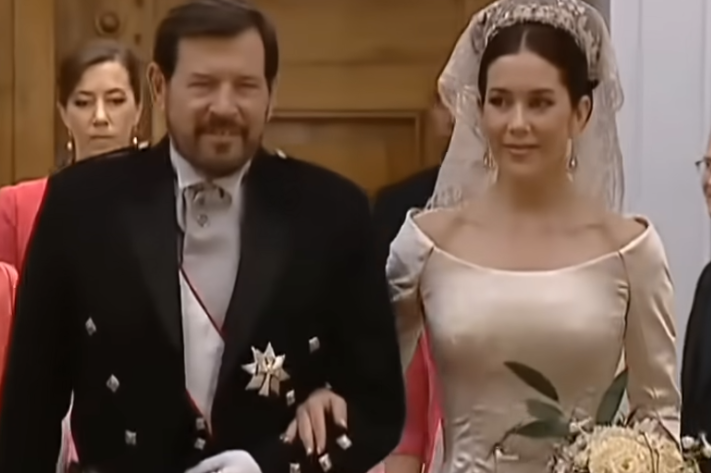
The article highlights the precise timing of Mary and her father’s entrance, coordinating their walk with the crescendo of the music. This meticulous coordination speaks to the careful planning of the ceremony and the desire to adhere to royal protocol while still allowing for moments of personal grace. The act of bowing and curtseying to Queen Margrethe II, the reigning monarch, at the very moment the choir sang of royalty, was a symbolic and visually striking moment, signifying Mary’s formal acceptance into the Danish Royal Family.
Professor Donaldson, attired in his family tartan, a nod to his Scottish heritage, took his seat in the front row, a proud observer of his daughter’s journey into a new chapter. This detail adds another layer of personal significance to the public spectacle, reminding onlookers that behind the royal titles and traditions, there was a family celebrating a deeply personal milestone. The article emphasizes that for those few moments, the public stage receded, and it was simply a father and his daughter sharing a unique and cherished experience, a sentiment echoed in countless weddings around the world.
A Legacy of Love: Commemorating the Bond
The enduring strength of the bond between Queen Mary and her father was further illuminated in subsequent public gestures. On their tenth wedding anniversary, Queen Mary shared the iconic photograph with her father as part of a special collection of images released by the Danish Royal House. This act served as a public acknowledgment of the importance of her father’s presence in her life and the foundational support he provided.
The article also mentions that Mary selected another photograph of herself and her father to mark her first birthday after becoming Queen of Denmark. These deliberate choices underscore the profound and lasting influence Professor Donaldson had on Mary’s life, a relationship that continued to be a source of strength and comfort even after she ascended to the throne.
The news of Professor John Donaldson’s passing on April 12, 2026, after a long illness at his home in Australia, marked a somber moment for Queen Mary and the Danish Royal Family. His absence was keenly felt, particularly as he had been unable to travel to Denmark for Mary’s accession to the throne in January 2024. Despite his physical distance, the article notes his pride in witnessing his daughter’s coronation on television, hearing the resounding cheers that, as it suggests, were louder for the new queen than for any other royal that day. This sentiment, while perhaps a slight exaggeration, speaks to the immense popularity Queen Mary had cultivated over the two decades since her marriage.
The Enduring Impact of a Royal Wedding and a Father’s Love
The story of Queen Mary and Professor John Donaldson, encapsulated in that single, powerful photograph, serves as a compelling reminder of the human element that often underpins even the most public and regal of lives. The journey from a chance encounter in Sydney to the throne of Denmark is a narrative of love, ambition, and immense personal fortitude.
In the two decades following her wedding, Queen Mary has not only become a beloved figure within the Danish Royal Family but has also cultivated a new generation of royals poised to embrace their future roles with confidence. Her reign has been marked by a commitment to public service, a dedication to her family, and a remarkable ability to connect with people from all walks of life.
The iconic wedding photograph, therefore, is more than just a beautiful image; it is a testament to the unwavering support of a father, the courage of a daughter embarking on an extraordinary journey, and the enduring power of family bonds. It is a symbol of the quiet strength that allows individuals to navigate profound life changes, reminding us that even in the grandest of stages, the most meaningful support often comes from those closest to us. The day Mary walked into Copenhagen Cathedral with her father was a pivotal moment in Danish history, but it was also a profoundly personal one, forever immortalized in an image that continues to resonate with its depiction of love, pride, and steadfast devotion.