

One hundred years ago this month, the British Royal Family commanded significant public attention, serving as a much-needed focal point for a nation still navigating the aftermath of the First World War and the societal shifts it engendered. This period of intense scrutiny was largely driven by the anticipation of a new royal arrival, an event that would ultimately usher in one of history’s most influential monarchs. While the formal announcement of the pregnancy of the wife of King George V’s second son was not yet made, the public was keenly aware of the impending birth. Unbeknownst to many at the time, they were collectively counting down to the arrival of a princess who would one day become a symbol of continuity and dedication: Elizabeth. Born on April 21, 1926, in London, Princess Elizabeth’s birth was the paramount royal news of the year. However, April 1926 was rich with other royal narratives, each contributing to the overarching picture of the monarchy’s presence in public life. This article delves into these concurrent events, exploring the evolving roles of royals and the broader implications of their public engagements, all within the context of the approaching centenary of Queen Elizabeth II.
A Royal Debut in Authorship: Princess Marie Louise and Her West African Endeavors
The concept of royalty engaging in literary pursuits was, in April 1926, a novel one, met with a degree of patronizing curiosity. Reports emerged on April 2, 1926, suggesting a potential new publication from Princess Marie Louise, a granddaughter of Queen Victoria. The Bournemouth Graphic, in its assessment, noted that while the Princess was “one of the most versatile members of the Royal Family, she is new to the role of authoress.” This cautiously optimistic, yet somewhat condescending, outlook underscored the prevailing perception of royal women’s public activities.
Princess Marie Louise, born in 1872 at Cumberland Lodge in Windsor Great Park, was the daughter of Princess Helena, Queen Victoria’s third daughter. Her life by April 1926 was already a testament to her multifaceted nature. She had experienced marriage, seen that union annulled, and subsequently dedicated herself to a range of impactful endeavors. Her commitment extended to nursing, extensive philanthropic work, and numerous patronages. Furthermore, she possessed artistic talents, excelling in painting and enamelling, and had a strong appreciation for music. The book that the Bournemouth Graphic alluded to was, in fact, a chronicle of her significant contributions to establishing a hospital in Ghana. This undertaking showcased a practical and impactful application of her royal status, moving beyond ceremonial duties to tangible service. Her involvement in West Africa, a region undergoing significant colonial administration and societal transformation during this era, positioned her as a royal engaging with global affairs in a direct and meaningful way. The success of her literary debut would ultimately defy the early reservations, demonstrating her capabilities beyond traditional royal expectations.
Princess Marie Louise: A Template for Future Royal Engagement
Princess Marie Louise’s active engagement in public life served as an early indicator of a future trajectory for the British Royal Family. Her extensive duties, undertaken in representation of King George V and Queen Mary, were frequently aligned with charitable causes. This pattern of consistent public engagement, characterized by a wide array of official appearances and philanthropic support, began to establish a template for the modern royal role. This was a model that would be further refined and embodied by the baby whose impending arrival captivated the nation in April 1926.
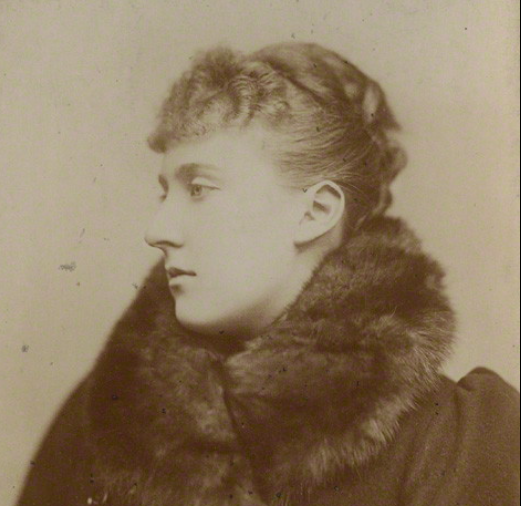
On April 2, 1926, The Scotsman reported on Princess Marie Louise’s significant role as the Royal Family’s representative at the traditional Maundy Thursday service, held annually at Westminster Abbey. This ceremony, steeped in centuries of tradition, involved the distribution of Maundy money to 61 men and 61 women, a number corresponding to the reigning monarch’s age. In 1926, this meant each recipient received an amount reflecting King George V’s 61 years. While the core ritual of distributing alms remained, the ceremony retained symbolic echoes of its origins, particularly the biblical account of Jesus washing the feet of his disciples. Although the physical act of foot-washing had long since been discontinued, some recipients of the Maundy money at this particular ceremony carried towels into the Abbey, a poignant reminder of the ancient ritual and its historical significance. Princess Marie Louise’s presence at such a venerable event underscored her importance within the royal hierarchy and her capacity to embody the solemnity and tradition associated with the monarchy. Her participation in these ceremonies demonstrated a commitment to upholding established royal practices, while her other endeavors highlighted a parallel commitment to adapting and evolving the royal role to meet contemporary needs.
A Continental Romance Captivates: The Impending Engagement of Princess Marie José
While Princess Marie Louise was diligently fulfilling her royal duties in London, a romantic narrative unfolding on the continent was equally capturing the public imagination. On April 2, 1926, the spotlight turned to Princess Marie José of Belgium, the only daughter of King Albert I and Queen Elisabeth. Reports circulated that she was en route to San Rossore in Italy, where the Italian Royal Family was also present. The Shepton Mallet Journal, drawing on syndicated news, reported from Brussels that “the engagement of the Prince of Piedmont, heir to the Italian throne, to Princess Marie José, daughter of the King of the Belgians, will shortly be announced.”
This impending union was more than just a personal milestone for the young princess; it was a significant dynastic event with potential geopolitical implications. Princess Marie José, known for her spirited personality and intellectual curiosity, was seen as a figure who could bring a modern sensibility to the Italian monarchy. The Prince of Piedmont, Umberto, was the heir to a throne that, even in 1926, was beginning to face the shadows of rising nationalism and political instability in Europe. The prospect of a marriage between the Belgian and Italian royal houses was met with considerable interest, symbolizing a potential alliance and a continuation of European royal traditions in a rapidly changing world.
Princess Marie José’s eventual marriage to Umberto took place in 1930. Their union would eventually see them become King and Queen of Italy in 1946, albeit for a very brief period. Their reign lasted a mere month before the Italian monarchy was abolished, forcing them into exile. Their personal lives were marked by unhappiness and dramatic turns, playing out against the backdrop of a tumultuous 20th century. The events of spring 1926, however, painted a picture of Princess Marie José as a picture-perfect princess on the cusp of a significant royal romance. Her story served as a reminder that the life of a royal, even one seemingly destined for a fairy-tale union, was far from simple and was inextricably linked to the broader political and social currents of their time.
The Broader Impact: Royal Visibility and Evolving Public Perception
The confluence of these royal events in April 1926 offers a compelling insight into the British monarchy’s role in national life. The impending birth of Princess Elizabeth underscored the institution’s capacity for renewal and continuity, a vital aspect for public morale during a period of post-war recovery. Simultaneously, the activities of Princess Marie Louise demonstrated a developing model of royal service, one that emphasized public duty, charitable engagement, and even intellectual pursuits. Across Europe, the romantic developments surrounding Princess Marie José highlighted the enduring allure of royal unions and their role in international diplomacy and public fascination.

The media’s coverage of these events, though sometimes carrying a patronizing tone, also reflects the significant public appetite for royal news. This consistent visibility, fueled by both tradition and evolving royal roles, helped to solidify the monarchy’s position as a central element of national identity. The fact that a princess writing a book about her charitable work in West Africa was deemed newsworthy, as was a potential royal engagement in Italy, speaks to the widespread interest in the lives and actions of royal figures.
The implications of these narratives extended beyond mere public interest. Princess Marie Louise’s engagement in practical philanthropy and her literary contributions began to chip away at the perception of royalty as being solely ornamental. She showcased a royal who was not just a symbol, but an active participant in addressing societal needs. This foreshadowed the increased emphasis on public service that would become a hallmark of later generations of the Royal Family, particularly under the reign of Queen Elizabeth II. Her dedication to duty, her extensive travel, and her unwavering commitment to various causes would all echo the foundational elements of royal engagement that Princess Marie Louise was, in her own way, helping to establish.
Furthermore, the contrasting narratives – the quiet anticipation of a future monarch’s birth in Britain versus the continental romantic drama – illustrate the diverse ways in which royal families could capture public attention. While the birth of Princess Elizabeth represented the enduring power of dynastic succession and the promise of the future, the story of Princess Marie José spoke to the timeless appeal of romance and the intricate web of European royal connections. Together, these stories painted a picture of a Royal Family that was both deeply rooted in tradition and capable of adapting to the changing social and political landscapes of the early 20th century. The legacy of April 1926, therefore, is not just the birth of a future Queen, but also a glimpse into the evolving nature of royal duty and public perception, setting the stage for the significant reign that was yet to come. The careful balance between tradition and a willingness to engage with contemporary issues, exemplified by figures like Princess Marie Louise, would prove to be a crucial factor in the sustained relevance and enduring appeal of the monarchy throughout the 20th century and beyond.