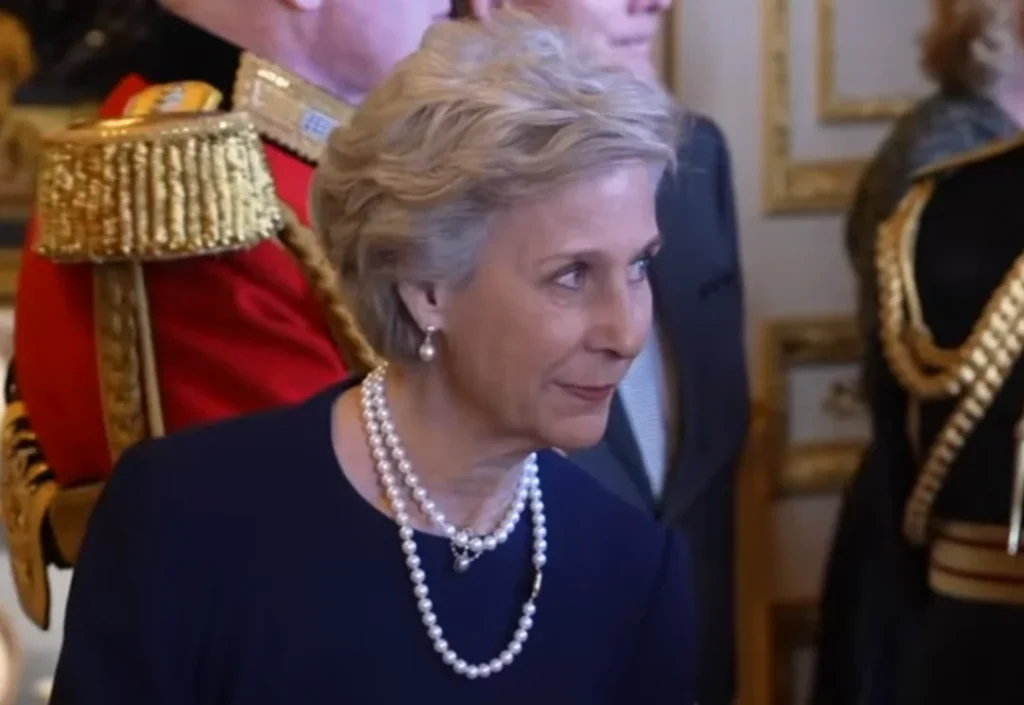

The Duchess of Gloucester recently embarked on a significant visit to Copenhagen, Denmark, to fulfill a cherished royal duty: her role as Patron of St. Alban’s Anglican Church. This appointment, which she assumed in 2025 following the passing of Queen Elizabeth II, underscores a deeply personal connection for the Danish-born Duchess and highlights the enduring links between the British and Danish royal families, as well as the historical significance of the church itself. Her second visit to the Copenhagen congregation in as many years underscores the importance she places on this patronage.
A Cherished Patronage and a Personal Connection
The Duchess of Gloucester’s journey to Copenhagen was driven by her commitment to St. Alban’s Anglican Church, a vital spiritual and community hub serving both the capital city of Copenhagen and the wider region, including Aarhus. Her role as Patron is a distinguished position, carrying with it the responsibility of offering support and guidance to the church’s mission and its diverse congregation. The fact that she has visited twice in rapid succession speaks volumes about her dedication to this particular cause, reinforcing the idea that St. Alban’s holds a special place in her affections.
St. Alban’s Anglican Church, often referred to as "The English Church" in Denmark, operates under the auspices of the Diocese in Europe of the Church of England. While its name suggests a singular national affiliation, the reality of its congregation is far more cosmopolitan. Estimates indicate that the church actively serves individuals from approximately 25 different nationalities, a testament to Copenhagen’s international character and the church’s welcoming embrace of a global community. This diversity is a key characteristic of St. Alban’s, reflecting the modern, interconnected nature of expatriate life and diplomatic communities.
During her visit, the Duchess was warmly received under clear blue skies, a picturesque setting that complemented the dignified nature of her duties. She was given a comprehensive tour of the church facilities and had the opportunity to engage directly with the clergy and dedicated volunteers who tirelessly work to maintain the church and support its parishioners. These personal interactions allow for a deeper understanding of the daily operations and the profound impact St. Alban’s has on its community.
Echoes of the Past: Commemorating Liberation and Royal Legacies
A poignant element of the Duchess’s visit was the opportunity to see a tree she had personally planted during her previous visit the year prior. This tree, situated in Churchill Park adjacent to the church, was planted to commemorate the 80th anniversary of the Liberation of Denmark at the conclusion of World War II. This act of planting serves as a living symbol of remembrance, connecting the present generation to the sacrifices and struggles of the past, and fostering a sense of ongoing historical awareness. The choice of location, Churchill Park, further solidifies the historical resonance, evoking the spirit of wartime alliances and shared victories.
The Duchess’s visit to Denmark also occurred in the immediate aftermath of significant commemorations in the United Kingdom marking the centenary of the birth of Queen Elizabeth II. This temporal proximity highlights a recurring theme in the Duchess’s recent engagements: the honoring of Queen Elizabeth II’s enduring legacy.
The centenary events in the UK were substantial, underscoring the profound impact Queen Elizabeth II had on national and international life. On April 21st, the Duchess of Gloucester joined King Charles III and Queen Camilla at a special event held at the British Museum. Here, the final plans for the national memorial to the late Queen were unveiled. These plans, which include a statue of Elizabeth II, have reportedly drawn some discussion, with initial descriptions suggesting the statue may be perceived as "too small" by some observers. This detail, while seemingly minor, points to the public and artistic discourse surrounding significant royal memorials.
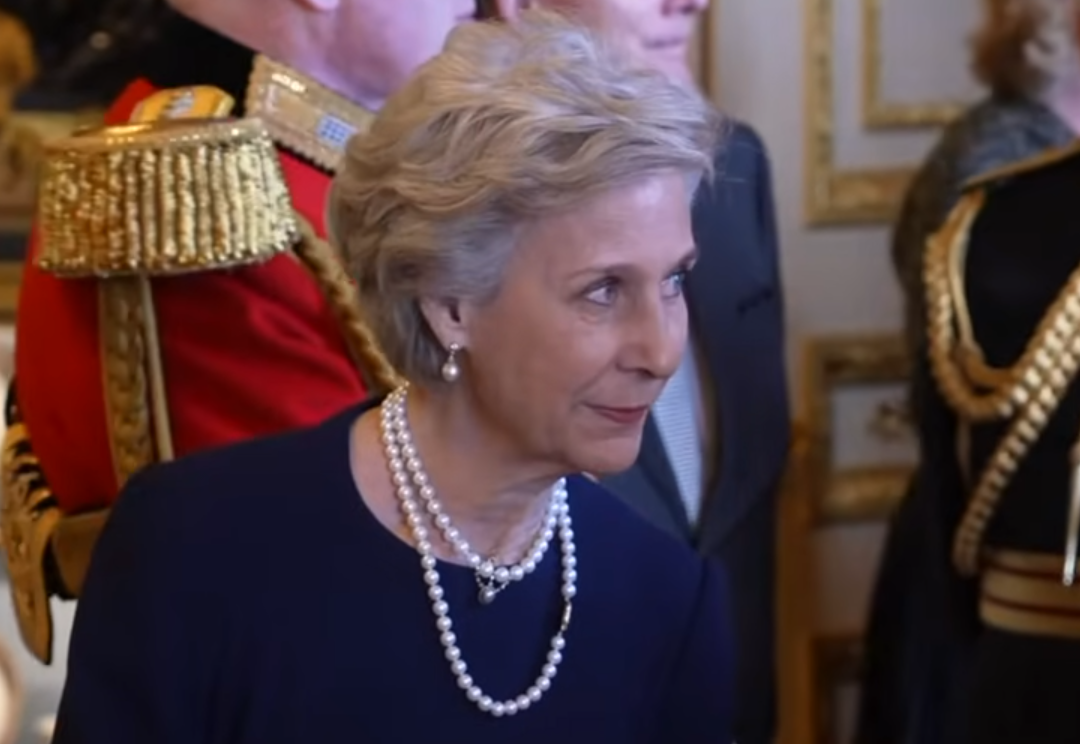
Later on the same day, Buckingham Palace hosted a reception to mark the Queen’s centenary. This event brought together representatives from numerous charities that had benefited from Queen Elizabeth II’s patronage throughout her long reign, as well as three individuals who were celebrating their 100th birthdays – a touching parallel to the Queen’s own remarkable longevity. The Duchess’s presence at these events, alongside other senior members of the Royal Family, signifies the collective commitment to celebrating and preserving the memory of her late aunt.
Furthermore, a significant family portrait was taken at Buckingham Palace, featuring the working members of the Royal Family with King Charles and Queen Camilla at its centre. The Duke and Duchess of Gloucester were included in this important tableau, symbolizing their continued role within the monarchy and their support for the new reign. This family gathering, especially in the context of centenary commemorations, emphasizes unity and continuity within the Royal Family.
A Patriotic Nod and a Global Perspective
The Duchess’s attire for her visit to Denmark was thoughtfully chosen, reflecting a subtle yet meaningful patriotic sentiment. She wore a vibrant red coat, a colour that, when paired with the white blouse visible beneath, evoked the national colours of the Danish flag. This sartorial choice demonstrated a considerate acknowledgment of her host country. Complementing this patriotic ensemble, she carried one of her signature accessories: a handbag artfully shaped like a Union Jack, a clear and proud symbol of her British heritage. This blend of national colours and symbols showcased a diplomatic flair, bridging her Danish roots with her established role within the British Royal Family.
Supporting Data and Context
- St. Alban’s Anglican Church: Founded in 1885, St. Alban’s has served the Anglican community in Copenhagen for over a century. It is a member of the Convocation of Episcopal Churches in Jerusalem and the Middle East, which is part of the wider Diocese in Europe.
- Patronage: The role of Patron is typically held by a senior member of the Royal Family for charitable organisations, churches, or educational institutions. It signifies a high level of endorsement and support. Queen Elizabeth II herself held numerous such patronages, with many being inherited by other members of the Royal Family upon her passing.
- World War II and Denmark: Denmark was occupied by Nazi Germany from April 1940 to May 1945. The liberation was a significant event, marking the end of a difficult period of occupation and the restoration of Danish sovereignty. Commemorating this event is crucial for national memory and identity.
- Royal Family and Denmark: The current monarch of Denmark, Queen Margrethe II, is a second cousin of the late Queen Elizabeth II. This familial connection has historically fostered close ties between the two royal houses. The Duchess of Gloucester, born Princess Birgitte Eva von Hardenberg, has a direct familial link to Denmark.
Analysis and Broader Impact
The Duchess of Gloucester’s visit to St. Alban’s Anglican Church in Copenhagen is more than a routine duty; it is an act that reinforces several key aspects of her public role and the broader landscape of royal engagement. Her assumption of the Patronage from Queen Elizabeth II signifies a continuity of service and a personal connection to the church that resonates deeply, especially given her Danish heritage. This dual connection – to her birth country and her adopted nation through marriage and duty – allows her to act as a bridge between cultures and communities.
The church’s role as a multicultural hub, serving a congregation of 25 nationalities, mirrors the increasingly globalized nature of modern societies and the evolving demographics of expatriate communities. The Duchess’s engagement with such a diverse group underscores the monarchy’s ability to connect with a wide spectrum of people, transcending national borders and cultural differences.
Furthermore, her participation in the Queen Elizabeth II centenary commemorations, both in the UK and through her Danish visit, highlights the ongoing process of honoring a long and impactful reign. The establishment of memorials and the continuation of patronages are tangible ways in which a monarch’s legacy is preserved. The Duchess’s presence at these events, particularly the unveiling of memorial plans and the centenary reception, demonstrates her integral role within the Royal Family and her commitment to upholding its traditions and historical memory.
The Duchess’s diplomatic sartorial choices, blending Danish colours with a British symbol, serve as a subtle yet effective form of soft diplomacy. In an era where international relations are increasingly nuanced, such gestures can foster goodwill and strengthen bilateral ties. Her visit, therefore, contributes not only to the spiritual well-being of the St. Alban’s congregation but also to the broader tapestry of international relationships and the enduring legacy of the British monarchy. The continuity of the Patronage, the commemoration of historical events, and the demonstration of cultural sensitivity all coalesce in this seemingly small but symbolically rich engagement.