
One hundred years ago today, April 20, 1926, stood as the quiet eve before a monumental shift in British history. In the hushed hours of April 21, 1926, London welcomed a new arrival—a daughter born into the Royal Family who would ascend to the throne and become the longest-reigning monarch in British history. Her reign would redefine royalty, witness the transformation of a nation, and mirror the seismic changes of a global century. This is the story of the final day before the world knew the future Queen Elizabeth II.
A Day of Ordinary Royal Engagements
The royal calendar for April 21, 1926, held no indication of the profound event that was about to transpire. The preceding day, April 20, saw the Daily Mirror report on King George V’s rather mundane plans: a visit to the Epsom races, contingent on the weather, to watch his colt, Runnymede, compete in the City and Suburban race. The report suggested that his only daughter, the Princess Royal, might accompany him, indicating that this was the extent of the planned royal activities for the day. This understated anticipation for a horse race starkly contrasts with the momentous birth that was imminent.
The End of a Familiar Chapter
While the royal family prepared for a day of expected routines, the newspapers of April 20, 1926, also carried news of a significant passing within the Royal Household. Ann Clark, a long-serving housekeeper to King George V, Queen Mary, and their family, had died. The Western Morning News was among several publications to detail the demise of this esteemed figure, who had been a "great personality in the Royal Household." Her influence extended to the childhood days of the Royal Princes, where she was regarded as "quite an authority."
Ann Clark’s tenure with the royals spanned decades, beginning in the late 19th century. She served King George V and Queen Mary when they were the Duke and Duchess of York during Queen Victoria’s reign, and later as the Prince and Princess of Wales under King Edward VII. Her dedication continued following George V’s accession to the throne. She retired in March 1926, at the age of 77, after a remarkable career. Her passing, just a month into her retirement, marked the definitive end of an era for those within the Royal Household who had known her for so long. This personal loss, while significant for the family and their staff, occurred against the backdrop of an even more profound historical event about to unfold.
A Royal Encounter with New Life
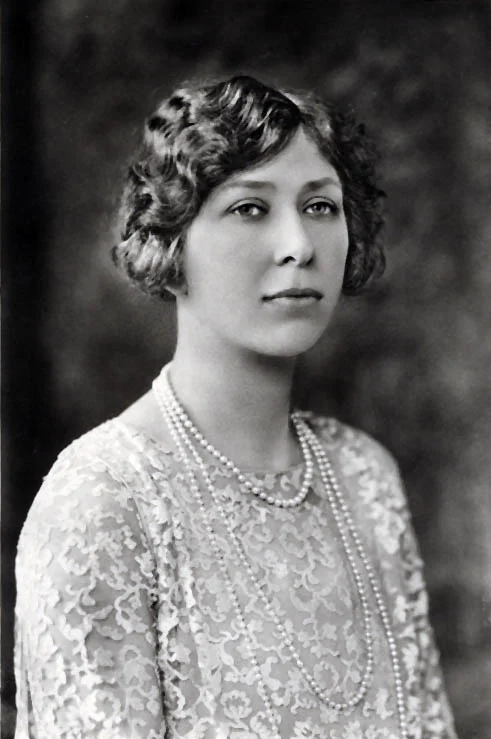
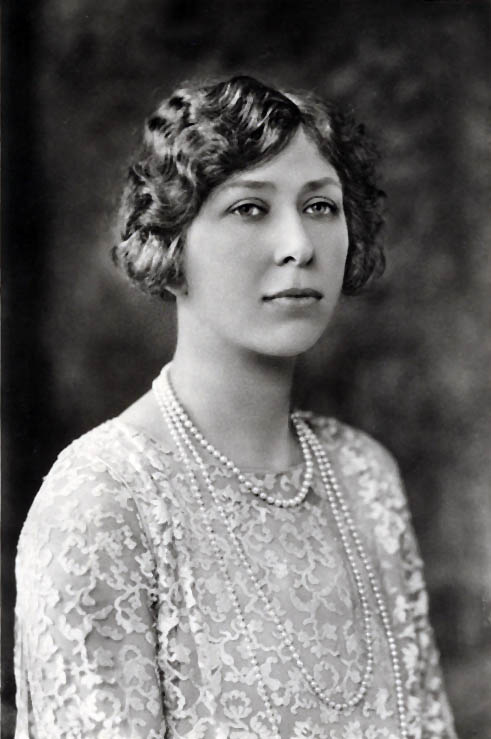
In a poignant coincidence, a significant royal engagement reported on April 20, 1926, involved the very essence of new beginnings: newborns. Princess Mary, the Princess Royal, dedicated an afternoon to visiting Woolwich Hospital. Her visit focused on a fund dedicated to aiding patients and included meeting a considerable number of newborn infants.
During her tour of the wards, Princess Mary interacted with fifty patients, all of whom were either expectant mothers or new mothers. The Daily News (London) documented that a particular moment occurred while the Princess was having tea: a baby boy, born just two hours prior to her arrival, was presented to her. This infant, son of Mrs. Foley, was named George. The choice of name held a particular resonance, being a traditional royal name and coincidentally the name of the reigning monarch. It is a curious detail that the aunt who was the public face of the Royal Family in the hours leading up to the birth of Elizabeth II was the relative to whom the late monarch was later said to bear a striking resemblance. This engagement, filled with the joy of new life and the ceremonial warmth of royal patronage, served as an unexpected prelude to the birth of a princess who would profoundly shape the nation’s future.
Whispers from Mayfair: The Duchess of York Awaits
Amidst the public pronouncements of royal engagements and the somber news of personal loss, the woman at the epicenter of the imminent historical event remained largely out of the public eye. Elizabeth, the Duchess of York, was residing at the Mayfair residence of her parents, located at 17 Bruton Street in London. While Buckingham Palace had not issued a formal announcement, her pregnancy was the dominant royal topic of the spring. Public appearances from the Duchess were not anticipated during this period.
The Leicester Evening Mail, looking ahead, reported that the Duchess and her husband were "providing their engagements permit, are to pay a visit this year to Motherwell…" This subtly indicated that the Duchess would be absent from public view for a period, with the understanding that she would resume her duties after her confinement. The expected due date for her baby was stated to be in the early days of May. This understated anticipation, focused on future engagements rather than the immediate, momentous arrival, further highlights the quiet nature of the hours preceding the birth of the future Queen.
Historical Context: A Monarchy in Transition
The year 1926 marked a significant period for the British monarchy. King George V, who ascended the throne in 1910, had guided the nation through the turbulent years of World War I and its aftermath. The monarchy had weathered significant societal changes, including the rise of the Labour Party and increasing calls for social reform. The abdication crisis of 1936, involving his eldest son Edward VIII, was still in the future, but the pressures on the institution of monarchy were palpable.
The birth of a new royal child, particularly a male heir, would have typically been met with significant public celebration and anticipation of future succession. However, the birth of Elizabeth, a daughter, meant that her path to the throne was not immediate. Under the prevailing laws of succession at the time, male heirs took precedence. The subsequent abdication of her uncle, Edward VIII, in 1936, would catapult her father, George VI, to the throne, and with him, Elizabeth became the heir presumptive. Her eventual accession in 1952, therefore, was a direct consequence of unforeseen dynastic shifts, underscoring the unpredictable nature of royal succession.
Supporting Data: The Royal Family in the Mid-1920s
To understand the context of Elizabeth II’s birth, it is useful to examine the composition and standing of the Royal Family in the mid-1920s:
- King George V and Queen Mary: Reigning monarchs. George V, born Prince George, Duke of York, was the second son of Edward VII and Alexandra of Denmark. He ascended the throne in 1910. Queen Mary, born Princess Victoria Mary of Teck, was a descendant of King George III. They had six children: Edward (the Prince of Wales), George (the Duke of York, later George VI), Mary (the Princess Royal), Henry (the Duke of Gloucester), George Edward (the Duke of Kent), and John (who died in childhood in 1919).
- Edward, Prince of Wales: The eldest son and heir apparent. He was a popular figure in the 1920s, known for his modern outlook and extensive travels. His future abdication would dramatically alter the line of succession.
- George, Duke of York: The second son, who would later become King George VI. In 1926, he was married to Lady Elizabeth Bowes-Lyon. Their first child, a daughter, was about to be born.
- Princess Mary, the Princess Royal: The King and Queen’s only daughter. As highlighted in the article, she was actively involved in public duties, including charitable work and hospital visits. Her own life and contributions to the Royal Family were significant.
The Royal Family in the 1920s was still a symbol of stability and tradition, albeit one that was gradually adapting to a changing world. The impact of World War I had underscored the importance of the monarchy as a unifying force, and the public still held a deep affection for its members.
Broader Implications and Analysis
The birth of Princess Elizabeth on April 21, 1926, was, at the time, the birth of another royal child, not the future cornerstone of the Commonwealth. The implications of her arrival would unfold over decades, shaped by historical events and personal choices. Her eventual ascension, triggered by her father’s unexpected kingship following his brother’s abdication, placed her on a path few could have foreseen.
Her reign, commencing in 1952, would witness the dismantling of the British Empire and the evolution of the Commonwealth. She presided over immense technological advancements, societal shifts, and numerous global crises. Her ability to adapt, to maintain a sense of continuity while embracing change, became a hallmark of her rule. The "royal story" as told in the hours before her birth was one of established traditions and predictable routines. The story that would unfold throughout her life, however, was one of profound transformation, resilience, and an enduring dedication to duty that redefined the role of a modern monarch. The quiet anticipation of April 20, 1926, was the calm before the dawn of an era that would be characterized by the steadfast presence of a queen who became an icon of stability and change for over seventy years.