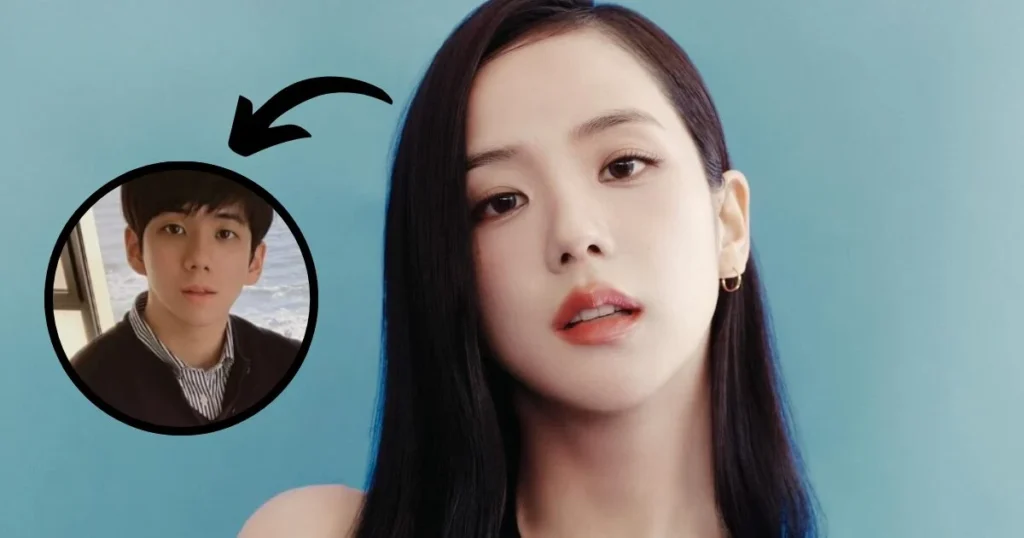

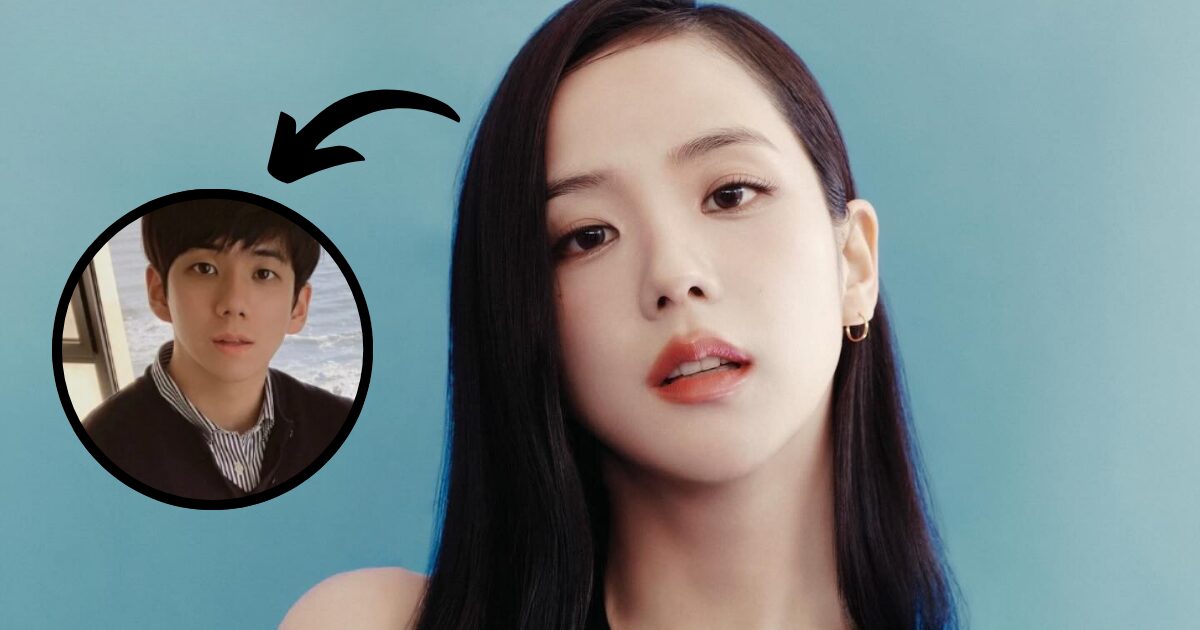
The controversy began to unfold in mid-April 2026, when reports surfaced detailing a criminal complaint filed against Kim Jung Hun. As the news gained traction, the association between the accused and his world-famous sister became a central point of public discussion. Given Jisoo’s transition to her independent label, BLISSOO, where her brother was reportedly involved in a managerial or administrative capacity, the public scrutiny intensified. The legal statement released by Jisoo’s team was characterized by many as "scathing" and "clinical," emphasizing that the singer had no involvement in or knowledge of the alleged incidents and would take strict legal action against those spreading defamatory rumors or linking her name to the case.
Chronology of the Scandal and the Legal Response
The timeline of the current situation began on April 15, 2026, when domestic news outlets first reported that an individual had come forward with allegations of sexual assault against a man identified as the brother of a top-tier Hallyu star. By April 17, the identity of the accused was confirmed as Kim Jung Hun, leading to an immediate surge in search queries and social media discourse involving Jisoo. The proximity of their professional relationship, specifically within the framework of Jisoo’s new agency, BLISSOO, added a layer of complexity to the situation that transcended simple familial ties.
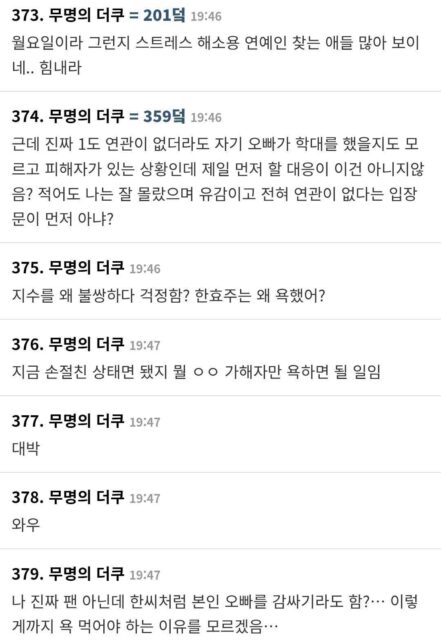
On April 19, 2026, after days of mounting pressure and viral speculation, Jisoo’s legal representatives issued their formal communiqué. The statement was direct: it asserted that the legal matters of Kim Jung Hun were entirely separate from Jisoo’s professional and personal life. It further warned that any attempts to damage the artist’s reputation through "guilt by association" would be met with civil and criminal litigation. By the morning of April 20, the statement had become the top trending topic on TheQoo and other major portals, where the reaction was split between those defending the idol’s right to personal boundaries and those who felt the tone was inappropriately detached.
Analysis of Public Sentiment and Cultural Context
The polarized reaction to Jisoo’s statement can be understood through the lens of South Korea’s historical and cultural relationship with the concept of "Yeon-jwa-je," a traditional system of collective responsibility where the family of a wrongdoer was also held accountable and punished. While this system was formally abolished long ago, the social sentiment remains a powerful force in the K-pop industry.
One segment of the public argues that Jisoo is a victim of her brother’s actions. These supporters emphasize that a woman should not be held responsible for the behavior of an adult male relative, regardless of their blood relation. On platforms like TheQoo, many comments pointed out that Jisoo has spent over a decade building a pristine reputation through hard work and that it is "unfair and irrational" to expect her to apologize for a crime she did not commit. They view the legal statement as a necessary shield against a digital "witch hunt" that often targets female celebrities in the wake of family scandals.

Conversely, a significant portion of the domestic audience expressed discomfort with the "coldness" of the legal rebuttal. Critics argue that because Kim Jung Hun was reportedly involved in the establishment or management of BLISSOO, the line between "private family matter" and "professional association" is blurred. Some netizens suggested that a more nuanced statement—one that expressed sympathy for the alleged victim while maintaining her legal distance—would have been more appropriate. The sentiment that "there is no reason to feel sorry for a millionaire star" while a victim of sexual assault is seeking justice was a recurring theme among those who found the statement lacking in empathy.
The Business Implications for BLISSOO and Global Brands
Beyond the social media firestorm, the scandal presents a significant challenge for Jisoo’s newly minted agency, BLISSOO. Established following the expiration of the members’ individual contracts with YG Entertainment, BLISSOO was marketed as a family-oriented boutique agency. If the allegations against Kim Jung Hun are proven true, the brand identity of the agency could face a long-term crisis. Investors and industry analysts are closely watching how the agency handles its first major PR crisis, as it serves as a litmus test for Jisoo’s capability as a CEO and the agency’s internal governance.
Furthermore, Jisoo’s status as a global ambassador for luxury houses such as Dior and Cartier adds an international dimension to the crisis. These brands rely heavily on the "pure" and "sophisticated" image that Jisoo projects. While international fans are generally more inclined to view the individual as separate from their family, the luxury sector is notoriously risk-averse. A prolonged scandal involving a close family member and business associate can lead to a "cooling-off period" where brands may reduce the frequency of campaigns to avoid negative associations.

Comparative Precedents in the K-Pop Industry
This is not the first time a prominent South Korean celebrity has faced a "family risk" scandal. In the past, stars like Han Hyo-joo and Park Goon faced significant career setbacks due to the actions of their siblings or parents. In those cases, the public reaction followed a similar pattern: an initial wave of shock, followed by a demand for an apology, and a long-term debate over whether the celebrity’s silence or defense constituted an endorsement of the relative’s behavior.
However, the "Jisoo case" is distinct due to the modern era of "fandom defense." Unlike previous generations, modern K-pop fans are highly organized and capable of launching counter-narratives to protect their idols. This has created a digital tug-of-war where the "traditional" public sentiment of collective responsibility clashes with the "modern" fan sentiment of individual autonomy. The legal team’s decision to use a "scathing" tone reflects a strategic choice to cater to the latter group and the legal reality of modern defamation laws, even at the risk of alienating the general public.
Official Responses and Future Outlook
As of the latest reports, Kim Jung Hun has not issued a personal statement, and his legal status remains that of a suspect under investigation. Law enforcement officials have noted that the investigation is in its early stages and that they are currently reviewing digital evidence and witness testimonies.
For Jisoo, the path forward involves a delicate balancing act. She must continue her scheduled activities, including her upcoming acting projects and brand engagements, while the legal cloud over her brother remains. The "mixed reactions" from the public suggest that while her legal standing is secure, her "public sentiment index"—a crucial metric for domestic endorsements—may fluctuate in the coming months.
The broader impact of this scandal may lead to a shift in how K-pop agencies manage the family members of their stars. There is already growing discussion within the industry about the risks of "nepotism-based management," where family members are given high-ranking roles within an idol’s private agency. This incident may serve as a cautionary tale, prompting stars to opt for professional, third-party management to ensure a clear separation between their personal lives and their business empires.
In conclusion, BLACKPINK Jisoo’s response to her brother’s sexual assault scandal has exposed the complexities of being a global icon in a society that is still grappling with the boundaries of individual and collective accountability. Whether the "scathing" legal approach will successfully insulate her career or further alienate the domestic public remains to be seen. As the investigation into Kim Jung Hun proceeds, the eyes of the world remain on Jisoo, waiting to see how one of the most influential women in music navigates the most personal and professional challenge of her career to date.