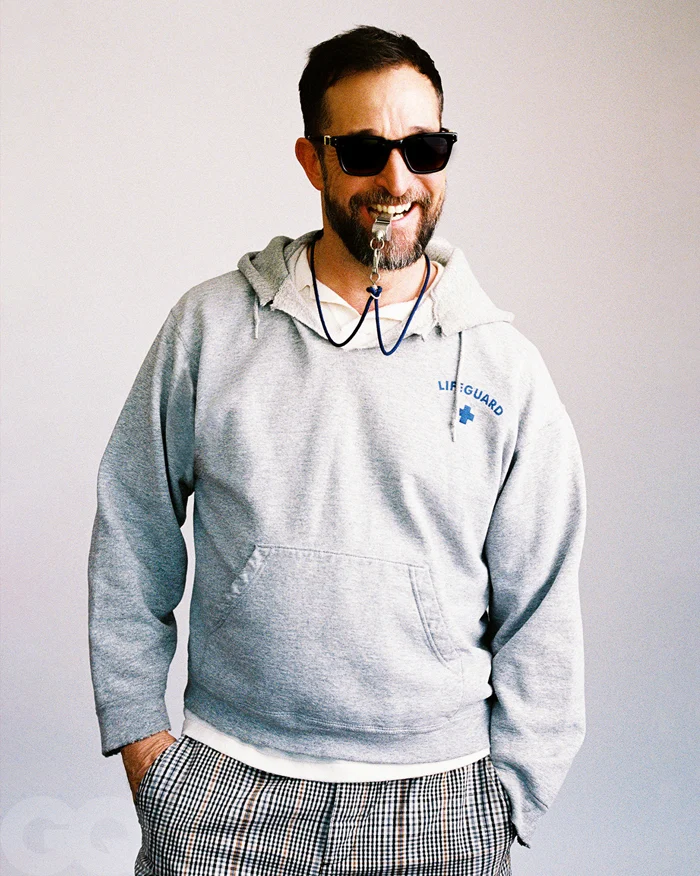

The conclusion of the inaugural season of the acclaimed medical drama The Pitt has been met with a significant media reveal, as GQ Hype debuted an extensive feature on the series’ lead actor and executive producer, Noah Wyle. In a comprehensive dialogue with Frazier Tharpe conducted on the historic Warner Bros. lot, Wyle provided an introspective look at his transition from a breakout star on ER to his current role as a creative architect in the modern streaming landscape. The discussion traversed a wide array of topics, including the personal stakes involved in the series’ production, the integration of volatile current events into the narrative, and the specific factors that have cemented the show’s status as a critical and commercial success.
The Genesis of The Pitt and a Career Full Circle
The Pitt represents more than just another entry in the medical procedural genre; it marks a significant reunion between Noah Wyle and executive producer John Wells. The two previously collaborated on ER, the juggernaut NBC series that redefined television drama in the 1990s and early 2000s. While ER was set in the frantic environment of a Chicago teaching hospital, The Pitt shifts the focus to Pittsburgh, utilizing the city’s unique industrial and medical landscape as a backdrop for contemporary healthcare challenges.
Wyle’s return to the medical genre was not a decision made lightly. After spending over a decade portraying Dr. John Carter, he sought to ensure that any return to the hospital setting would offer a distinct perspective. The development of The Pitt coincided with a period of profound professional and personal reflection for the actor. Wyle admitted that the dual pressures of the global pandemic and the subsequent industry-wide labor strikes represented the "lowest times" of his life. For an actor who has been a mainstay on television screens for thirty years, the forced cessation of work led to a crisis of identity.
During the interview, Wyle drew a direct parallel between his own psychological state and that of his character, Dr. Robby. He noted that both he and his fictional counterpart require the structure and socialization of their respective professions to maintain a sense of value and orientation. This shared need for a high-stakes environment serves as the emotional anchor of the series, providing a layer of authenticity that resonates with viewers who have experienced similar professional displacements in recent years.
Analyzing the Appeal of Competence Porn in Modern Media
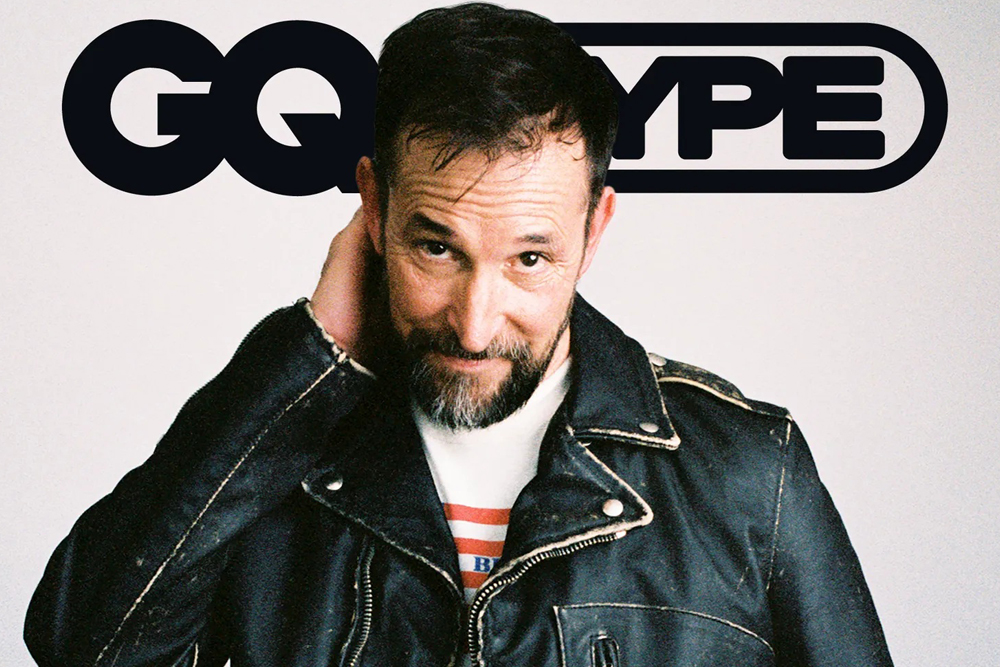
One of the most striking observations made during the GQ Hype feature was Wyle’s categorization of The Pitt as "competence porn." This term refers to a subgenre of media where the primary draw for the audience is witnessing highly skilled professionals execute complex tasks with precision and dedication. In an era often characterized by institutional skepticism and political volatility, Wyle argues that there is a profound sense of reassurance in watching characters who can "lock in" and solve problems that the average person cannot.
The show’s success is also inextricably linked to the current socio-political climate. Wyle noted that the series took on a different weight following recent political shifts in the United States. He suggested that while the show was written to be a high-quality drama regardless of the political environment, it has evolved into a "beacon of hope and humanity" for an audience seeking stability. The portrayal of a medical team that compartmentalizes personal struggles to focus on the immediate needs of their patients offers a form of escapism rooted in the ideal of professional excellence.
Integrating Real-Time Events and the Rorschach Test of Narrative
The Pitt has distinguished itself through its willingness to engage with controversial and immediate real-world events. Wyle discussed the production’s decision to incorporate a storyline involving deaths at the hands of ICE agents in Minneapolis, a choice that initially caused apprehension among the creative team. However, rather than leaning into didacticism, the show opted for a restrained approach.
Wyle explained that the goal was "pure representation" rather than the delivery of a specific political message. By presenting the reality of these events without overt editorializing, the show functions as a "Rorschach test" for the audience. This narrative strategy allows viewers to draw their own conclusions, which Wyle believes says more about the observer than the creators. This objective, journalistic approach to storytelling aligns with the show’s broader commitment to depicting the medical profession as it exists within the complexities of modern American society.
Financial Realities and the Fickle Nature of Fame
In a rare moment of transparency for a high-profile actor, Wyle addressed the financial fluctuations of his career. Despite the immense success of ER—which at its peak saw Wyle as one of the highest-paid actors on television—he revealed that he had "taken it down to the studs" just a few years ago. The actor admitted that much of what he earned during his early career had been spent, leading to a period where he accepted work based on financial necessity rather than purely creative interest.
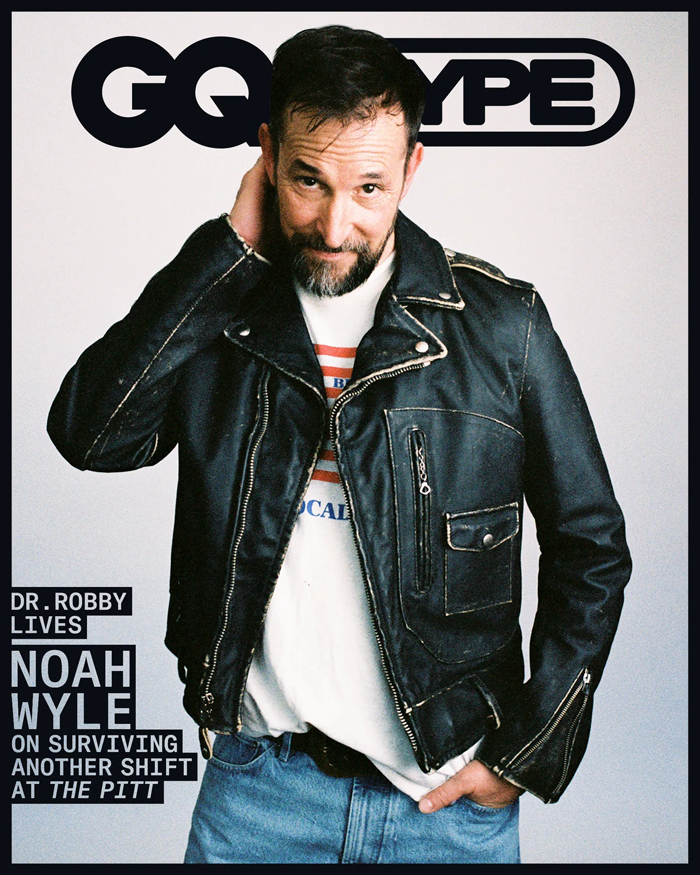
This period of austerity led to a strategic recalibration of his career. Wyle expressed a desire to shrink his professional footprint into something "sustainable and manageable." The Pitt emerged from this desire to create a project that was not only creatively fulfilling but also logistically practical. Currently, Wyle works just minutes from his home in Los Angeles, allowing him to balance the demands of a leading role and executive producer duties with his responsibilities to his aging parents and young children. He described the current phase of his career as being "sated," comparing his recent success to being offered a fire hydrant when he was dying of thirst.
Production Logistics and the Revolving Door Strategy
The GQ Hype feature also shed light on the structural philosophy behind The Pitt. Wyle confirmed that the series was designed with a "revolving door" approach to its cast. This means that characters may depart the show after a single season, while others may return years later. This model mimics the high-turnover reality of actual urban emergency departments and allows the show to remain fresh and unpredictable.
Wyle also shared a specific "Easter egg" from the series’ first episode that highlights the character-driven nuances of the writing. He recounted a conversation with John Wells regarding whether Dr. Robby would wear a motorcycle helmet. Wyle argued that if the character chose not to wear a helmet but told others he did, it would immediately establish him as an unreliable narrator. This subtle detail was intended to signal to the audience that they should question the character’s honesty throughout the season, adding a layer of psychological complexity to the medical drama.
Mentorship and Advice for the Next Generation
As a veteran of the industry, Wyle has taken on a mentorship role for his younger co-stars. His advice to the "greener" members of the cast is rooted in his own decades of experience. He cautioned them against the belief that there is always something better—better writing, more resonance, or a more inclusive community—waiting in the next project.
"I’ve been out there," Wyle stated in the interview. "It doesn’t get any better than this." He encouraged his colleagues to appreciate the current creative environment of The Pitt, noting that it will likely be the standard by which they judge all future work. This perspective reflects a man who has experienced the heights of industry stardom, the anxieties of professional lulls, and the hard-won satisfaction of a successful comeback.
Broader Impact and Industry Implications
The success of The Pitt and the insights shared in Wyle’s GQ Hype feature carry broader implications for the television industry. First, it reinforces the enduring power of the medical procedural when executed with high production values and intellectual depth. Second, it highlights the viability of the "reunion" model, where established creative partnerships (like Wyle and Wells) can leverage their history to attract audiences to new platforms.
Furthermore, Wyle’s candidness regarding his financial journey and the psychological necessity of work provides a more grounded view of the acting profession. It strips away the veneer of permanent Hollywood glamour to reveal a career path that is subject to the same economic and emotional pressures as any other field.
As The Pitt prepares for its second season, the show stands as a testament to the idea that "competence" is not just a theme within the plot, but the guiding principle of its production. With Wyle at the helm both in front of and behind the camera, the series has navigated the transition from a nostalgic callback to a vital, contemporary drama that reflects the fractured but resilient nature of the modern world. For Noah Wyle, the journey from the young Dr. Carter to the seasoned Dr. Robby represents a full circle—one marked by professional maturity, personal gratitude, and a renewed sense of purpose in the city of his birth.