
A new documentary, Broken Rhythm: Bruce Lee’s Game of Death, is set to offer an unprecedented deep dive into the enigmatic production of Bruce Lee’s final, unfinished film. Asymmetry Films has unveiled the first official trailer, providing a glimpse into a project that has long fascinated fans and film historians alike. The film promises to re-examine the legacy of the martial arts icon by meticulously dissecting the creative process, the challenges, and the ultimate fate of Game of Death, a project fraught with both immense artistic ambition and tragic circumstance.
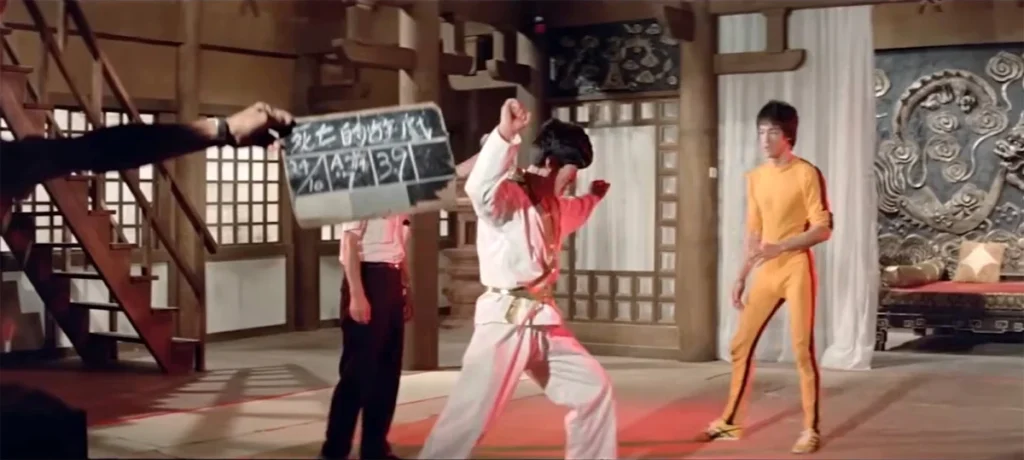
The documentary focuses on the 1972 footage shot by Bruce Lee himself, comprising approximately 30 minutes of material that was never fully realized in his lifetime. This substantial body of work, captured before Lee’s untimely death in July 1973, represents a significant portion of his intended vision for the film. The 1978 release, which bears the same title, incorporated only a fraction of Lee’s original footage, supplementing it with extensive re-shoots and a narrative that diverged significantly from Lee’s original concept. Broken Rhythm aims to illuminate the complexities behind this cinematic puzzle, exploring how artistic intentions were reshaped by financial, logistical, and creative compromises.
Unearthing Bruce Lee’s Vision
The core of Broken Rhythm: Bruce Lee’s Game of Death lies in its examination of the 1972 filming sessions. Bruce Lee, not only the star but also a significant driving force behind the creative direction, was deeply invested in Game of Death. The documentary asserts that walking away from such a substantial amount of filmed material, especially when the star was also the director, was a missed opportunity. The film will delve into the specific artistic choices Lee was making during this period, attempting to reconstruct his narrative and thematic intentions.

Producer André Morgan, who was involved in both the 1972 filming and the 1978 release, serves as a key guide through the intricate timeline of the film’s completion. His participation is crucial in shedding light on the compromises that ultimately altered Lee’s original vision. The documentary will feature interviews with a multitude of individuals who were directly involved in the production, offering fresh perspectives on Lee’s artistic intent and the challenges faced by the filmmakers. These firsthand accounts are vital for providing a nuanced understanding of a project that has been subject to much speculation over the decades.
The 1978 Compromise and its Aftermath
The 1978 release of Game of Death premiered five years after Bruce Lee’s passing. By this time, the film industry had evolved, and the demand for martial arts cinema remained high. However, the pressure to complete a film bearing Lee’s name led to significant alterations. The narrative was rewritten, and new actors were cast to fill in the gaps left by Lee’s absence. While the iconic yellow tracksuit and the stairwell fight sequence became instantly recognizable symbols of martial arts cinema, they represented only a sliver of Lee’s original artistic aspirations.
Broken Rhythm seeks to differentiate between the Bruce Lee who was an actor and martial artist and the Bruce Lee who was an emerging auteur. The documentary positions Lee not just as a kung fu icon but as a visionary artist grappling with profound themes. The film’s exploration of Lee’s work will extend to how his creations engage with enduring existential questions, including those surrounding life, death, identity, and the pursuit of artistic immortality. This analytical approach aims to recontextualize Lee’s legacy beyond his physical prowess, highlighting his intellectual and philosophical contributions to cinema.
A Chronology of Game of Death
To understand the significance of Broken Rhythm, it is essential to trace the chronology of Game of Death:

- 1972: Bruce Lee begins filming Game of Death in Hong Kong. He directs and stars in the project, developing a narrative that was intended to be a departure from his previous martial arts films, exploring deeper philosophical themes. Approximately 30 minutes of footage is shot, featuring Lee in various combat sequences and dramatic scenes.
- July 20, 1973: Bruce Lee tragically passes away at the age of 32. Production on Game of Death halts indefinitely, leaving the film unfinished and its future uncertain.
- 1978: Golden Harvest, the production company behind the film, decides to complete Game of Death. Producer André Morgan is involved in this effort. The project is significantly reworked, with new scenes filmed starring actor Kim Tai-chung as Lee’s character, and director Robert Clouse brought in to oversee the new footage. A substantial portion of Lee’s original footage is edited into the new narrative, but the plot and thematic elements are altered to accommodate the re-shoots.
- 1978: The completed version of Game of Death is released worldwide, becoming a commercial success but drawing criticism for its perceived disjointed narrative and the heavy reliance on stand-ins for Bruce Lee.
- 2026: Broken Rhythm: Bruce Lee’s Game of Death premieres, aiming to provide a comprehensive look at the original 1972 footage and Lee’s intended vision, offering a new perspective on the creation and legacy of Game of Death.
Supporting Data and Production Insights
The documentary’s claim to offer "fresh perspectives" is bolstered by its access to and analysis of the original 1972 footage. This footage is not merely archival material; it is presented as a cinematic language rich with symbolic intent. The film aims to reveal Lee’s ambitions as not only a martial artist but also as a writer and director, demonstrating his evolving artistic sensibilities.
The production of Broken Rhythm itself represents a significant undertaking. Directed by indie filmmaker Alan Canvan, who also directed The Game of Death Redux, the documentary benefits from his prior engagement with the subject matter. Canvan’s previous work suggests a deep understanding and appreciation for the nuances of Bruce Lee’s filmography. The inclusion of interviews with key figures, such as producer André Morgan, provides essential factual grounding. These individuals can offer direct testimony regarding the production challenges, creative decisions, and the impact of Lee’s passing on the project.
The documentary’s exploration of "existential questions of life, death, identity, and the pursuit of artistic immortality" suggests a thematic depth that aims to transcend a simple behind-the-scenes account. It positions Bruce Lee’s work within a broader philosophical context, inviting viewers to consider his art as a reflection of his internal struggles and his quest for meaning. This approach could resonate with a wider audience, appealing to those interested in philosophy and artistic legacy as much as martial arts enthusiasts.
Official Recognition and Festival Premieres
The premiere of Broken Rhythm: Bruce Lee’s Game of Death at the 2026 NYC Independent Film Festival signifies its recognition within the independent film circuit. Festivals like these serve as crucial platforms for documentaries, allowing them to reach a discerning audience and gain critical attention. The festival provides an opportunity for industry professionals, critics, and the public to engage with the film firsthand. Information regarding tickets and screening times is being made available through the festival’s official channels, indicating a structured release strategy.

The documentary’s existence and impending release have already generated discussion within film communities and among Bruce Lee aficionados. Platforms like City on Fire have provided early coverage and access to trailers, amplifying the film’s visibility. This early engagement suggests a growing anticipation for a project that promises to settle long-standing questions about one of cinema’s most iconic figures and his most enigmatic film.
Broader Impact and Implications
The implications of Broken Rhythm: Bruce Lee’s Game of Death extend beyond the realm of film history. By re-examining Lee’s artistic vision, the documentary could contribute to a more comprehensive understanding of his legacy. For decades, Bruce Lee has been primarily celebrated as a martial arts superstar. This film has the potential to elevate his status by highlighting his contributions as a filmmaker and thinker.
The documentary’s success could also inspire further scholarly and critical analysis of Lee’s work. By presenting new evidence and interpretations, it may encourage academics and critics to revisit existing narratives and explore previously overlooked aspects of his career. This could lead to a more nuanced appreciation of his artistic evolution and his impact on global cinema.
Furthermore, the film’s focus on the compromises and challenges inherent in filmmaking may offer valuable lessons for contemporary creators. The story of Game of Death serves as a case study in the complexities of artistic production, the pressures of commercialization, and the enduring power of an artist’s original vision, even when it is ultimately unrealized. The documentary’s exploration of how Lee’s work grapples with "enduring existential questions" could also spark conversations about the role of art in addressing fundamental human concerns, reinforcing Lee’s relevance in the 21st century. The availability of the official trailer on platforms like YouTube and its inclusion in film festival lineups mark the initial steps in what is anticipated to be a significant contribution to the discourse surrounding Bruce Lee and his indelible mark on cinema. The documentary’s success will hinge on its ability to present a compelling narrative supported by robust evidence, offering a definitive re-evaluation of a legendary, yet unfinished, cinematic endeavor.