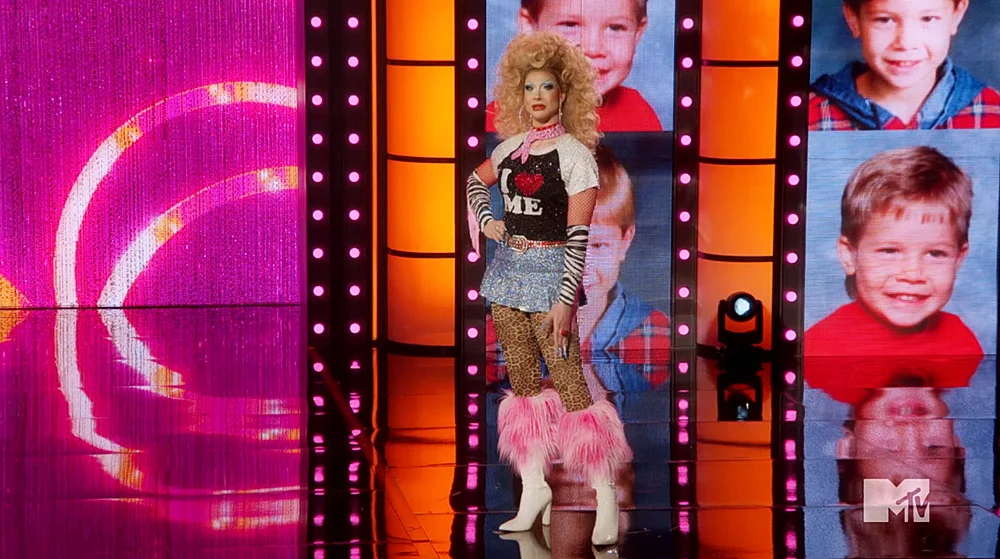

The eighteenth season of the Emmy Award-winning reality competition series RuPaul’s Drag Race concluded its broadcast cycle with a grand finale that saw the crowning of Myki as "America’s Next Drag Superstar." Following a season of high-stakes challenges and the mid-season Lalaparuza Smackdown—won by the contestant Juicy—the finale served as a culmination of months of competition. The episode featured a structured format including a final runway presentation from the returning queens, individual performance numbers from the top three finalists, and a concluding lip-sync battle. While the season has been noted for its consistent ratings and high production value, the finale also highlighted the show’s ongoing effort to integrate queer history into mainstream entertainment, balancing spectacle with educational tributes to the pioneers of the drag art form.
The Path to the Finale: Season 18 Context
Season 18 of RuPaul’s Drag Race followed a familiar but refined trajectory, beginning with a diverse cohort of performers competing for a $200,000 cash prize and a one-year supply of Anastasia Beverly Hills cosmetics. The season was characterized by a mix of traditional design challenges, acting skits, and the increasingly popular "Lalaparuza" format, which focuses exclusively on lip-syncing ability. Juicy’s victory in the Lalaparuza episode provided a late-season momentum shift, though the final competition for the crown was ultimately narrowed down to three finalists: Myki, Nini, and Darlene.
Leading into the finale, the competition remained tight. Myki was recognized for a blend of charisma and technical skill, while Nini established herself as a formidable performance artist. Darlene, primarily known for her comedic timing and "trash queen" aesthetic, rounded out the top three. The elimination of Jane prior to the finale set the stage for her eventually being awarded the Miss Congeniality title, a traditional consolation prize and honor voted on by her peers or the audience, signifying her positive impact on the cast dynamic.
Historical Tributes and Cultural Significance
A significant portion of the finale was dedicated to honoring the historical figures who laid the groundwork for modern drag and LGBTQ+ rights. This educational segment served to provide context to the art form’s evolution from underground resistance to a multi-million dollar global franchise.
The Pioneers of Drag
The broadcast highlighted several key figures:

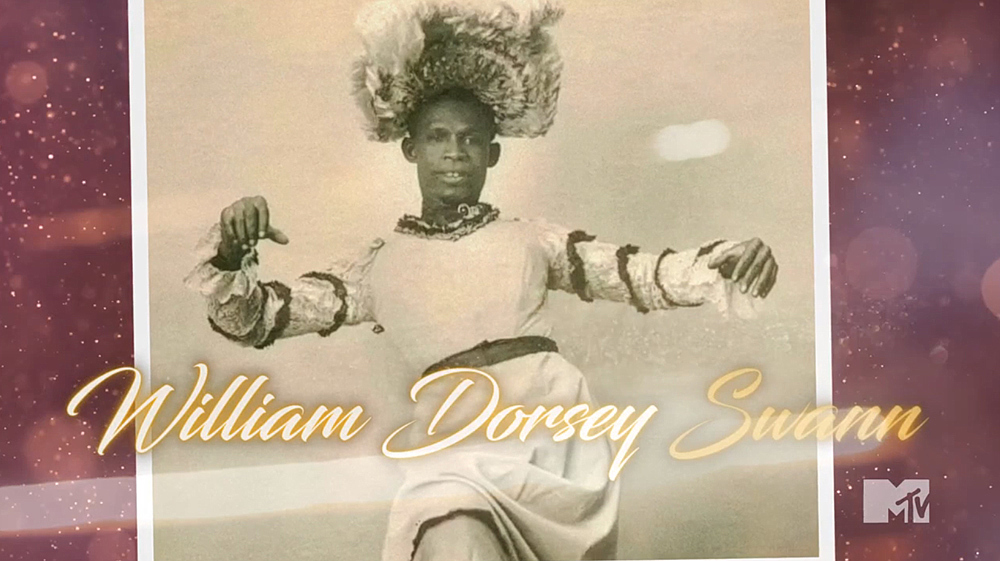
- William Dorsey Swann: Identified as the "mother of all drag queens," Swann was a formerly enslaved person who, in the 1880s, organized a series of balls in Washington, D.C. Swann is the first recorded person to self-identify as a "queen of drag" and led one of the earliest known LGBTQ+ resistance groups in the United States.
- José Sarria: A legendary performer at San Francisco’s Black Cat Bar, Sarria became the first openly gay candidate for public office in the U.S. when she ran for the San Francisco Board of Supervisors in 1961. Sarria was known for leading patrons in songs of defiance, such as "God Save Us Nelly Queens," during eras when queer gatherings were frequently subject to police raids.
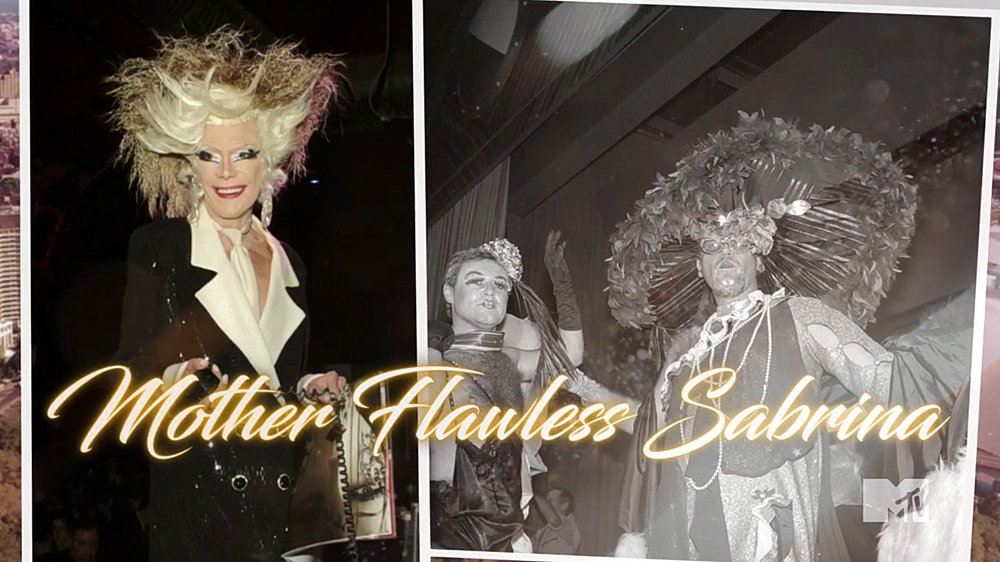
- Mother Flawless Sabrina (Jack Doroshow): A pioneer of the drag pageant circuit, Sabrina was the subject of the 1967 documentary The Queen. She was instrumental in organizing underground pageants in cities like Philadelphia and New York during a period when cross-dressing was illegal. Her efforts are credited with helping to professionalize drag performance and challenging discriminatory sumptuary laws.
This focus on history reflects a broader shift in the series’ mission to act as a repository for queer culture, ensuring that the younger demographic of the show’s audience remains informed about the political origins of drag.
Final Runway and Contestant Presentations
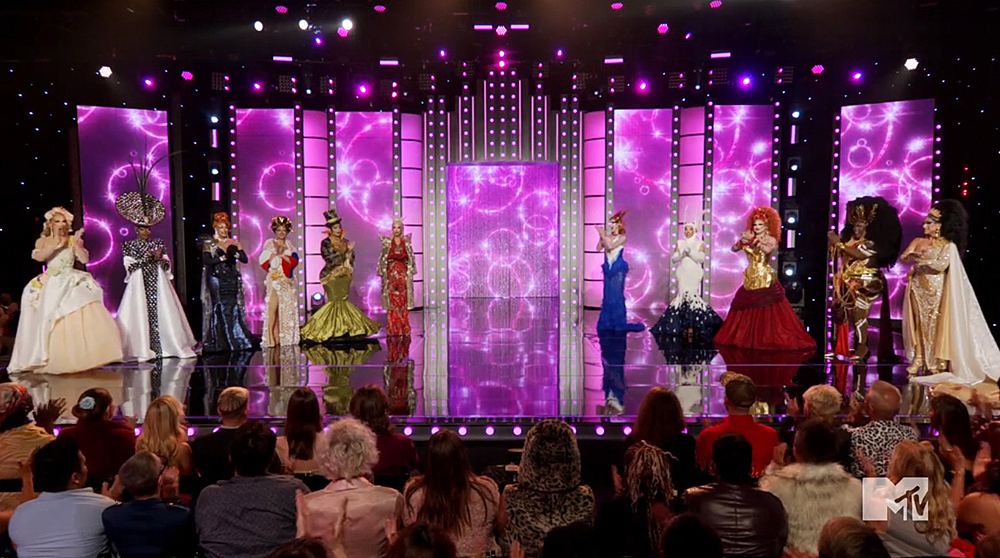
The finale featured a "Grand Finale Runway," where the eliminated queens of Season 18 returned to showcase high-fashion ensembles. The presentation served as a final opportunity for the contestants to demonstrate their brand and aesthetic growth.
- Vita and DD: Both queens opted for high-fashion "eleganza," with Vita’s look being cited by analysts as one of the most polished of the season.
- Mia and Mandy Mango: Mia presented a sophisticated midnight blue gown, while Mandy Mango opted for a more conventional pageant style.
- Briar and Discord: These contestants leaned into conceptual drag. Briar showcased a steampunk-inspired ensemble complete with an intricate mask, while Discord maintained her reputation for avant-garde "weird" drag by wearing a structured coat on the main stage.
- Ciara and Juicy: Both performers utilized avian themes. Ciara presented a fusion of fierce and grotesque bird-inspired drag, while Juicy showcased a vibrant cockatoo-themed outfit.
- Kenya and Athena: The two queens closed the returning segment with "goddess" aesthetics—Kenya as an Amazon warrior and Athena in a classic Greek-inspired silhouette.
The Final Three Performances
The competitive portion of the finale required the top three finalists to execute solo production numbers. These performances were pre-packaged routines designed to highlight the individual strengths of the finalists.
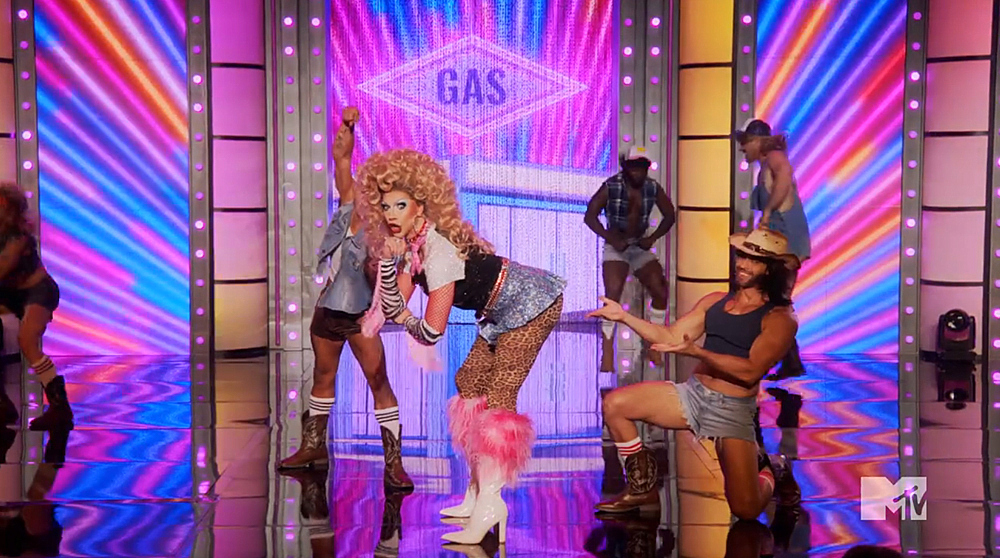
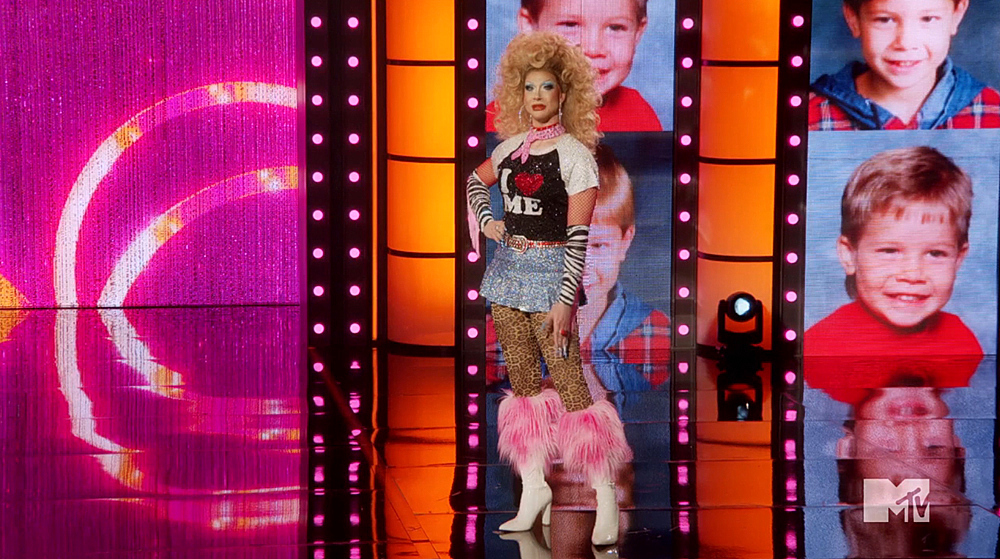
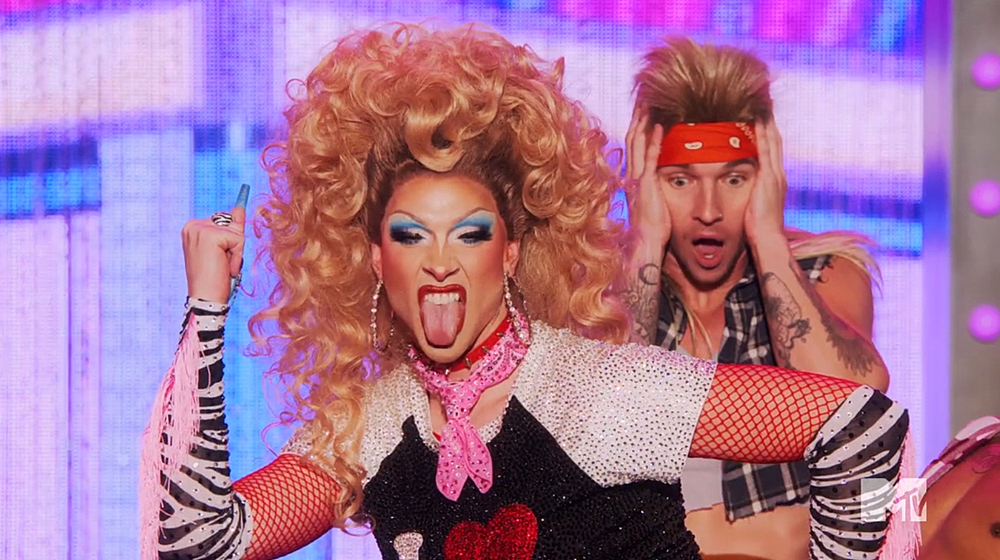
Darlene opened the segment with a comedy-focused routine. While the performance was well-received for its humor and alignment with her established brand, industry analysts noted that comedy-centric numbers rarely secure the crown in the current "Lip Sync for the Crown" era, which favors high-energy choreography and athletic stunts.
Nini followed with a performance that many viewers considered a highlight of the evening. Utilizing a high-energy track, Nini demonstrated a level of stage presence that solidified her position as a top-tier performer. Myki’s solo number was also noted for its professional execution, setting up a final showdown between Myki and Nini after Darlene was eliminated following the solo round.
Production Analysis and Industry Trends
The Season 18 finale continued the show’s transition toward a more "produced" and "canned" television format. Since the series moved to major networks like VH1 and later MTV, the finales have shifted from intimate studio settings to large-scale theater productions. However, the current format has drawn some criticism for its use of artificial crowd noise and highly choreographed sequences that lack the "behind-the-scenes" rehearsal footage that characterized earlier seasons.
Ratings and Global Reach
Despite these production shifts, the RuPaul’s Drag Race franchise remains a juggernaut in the reality TV landscape. Supporting data indicates that the show continues to perform strongly in the 18–49 demographic. The franchise has expanded to over 15 international versions, including iterations in the UK, Canada, Australia, Italy, and Spain. This global expansion has turned the show into a significant economic engine for the drag industry, with winners often seeing a massive increase in booking fees and social media engagement.
Special Recognitions
The finale also included a surprise appearance and award for Miley Cyrus. While the inclusion of mainstream celebrities has become a staple of the show, some critics noted that such segments, along with various sponsored montages, contribute to a "padded" runtime, occasionally detracting from the focus on the competing queens.
The Crowning of Myki
The final segment of the evening featured a head-to-head lip-sync battle between Myki and Nini. Both queens presented distinct aesthetics in their final costumes, though the choice of attire for the final lip-sync was met with mixed reviews from fashion commentators for lacking the "grandeur" expected of a finale.
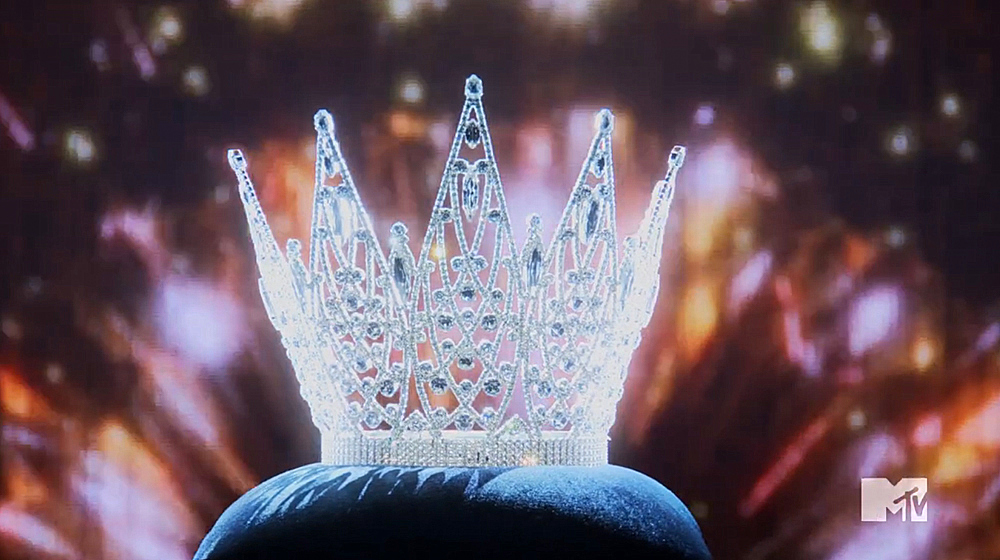
Ultimately, RuPaul announced Myki as the winner of Season 18. The decision was based on Myki’s consistent performance throughout the season, her ability to navigate various challenges, and her overall "star quality." Myki’s win is expected to follow the trajectory of previous winners, involving a global tour and various media appearances.
Broader Impact and Implications
The conclusion of Season 18 comes at a time when drag performance is at the center of significant political debate in the United States. Legislative efforts in several states have sought to restrict drag performances in public spaces. In response, RuPaul’s Drag Race and its parent company, World of Wonder, have increased their advocacy efforts, including the establishment of the "Drag Defense Fund" in partnership with the ACLU.
The finale’s emphasis on history and the resilience of queer pioneers serves as a direct response to these modern pressures. By framing drag as a long-standing theatrical tradition with deep roots in civil rights activism, the show reinforces its role as more than just a competition, but as a political statement.

As the series prepares for its next iteration—likely an All Stars season where former contestants like Jane are expected to return—the crowning of Myki marks another chapter in the show’s evolution. While the "perfunctory" nature of the highly polished finale format remains a point of discussion among long-time fans, the show’s ability to dominate the cultural conversation remains undisputed. Myki now joins the "Hall of Fame" of a franchise that has redefined queer visibility on a global scale.