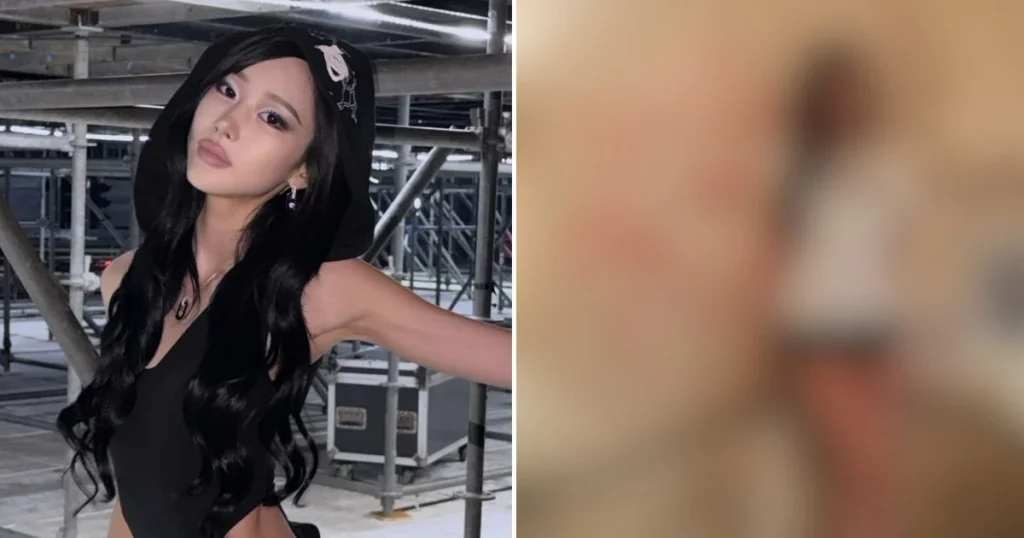

Photos
The intersection of K-pop, social media, and global geopolitics collided once again as Giselle, a member of the prominent South Korean girl group aespa, found herself at the center of an intense online controversy. The incident unfolded following a routine upload to the artist’s personal Instagram account, which quickly escalated into a viral debate involving thousands of international social media users. The digital uproar highlights the precarious nature of celebrity endorsements and imagery in an era marked by heightened geopolitical sensitivities, differing cultural interpretations, and the swift mobilization of fandoms across platforms like X (formerly Twitter) and Instagram.
Main Facts and the Catalyst Post
The controversy began when Giselle shared a series of personal photographs on her official Instagram account (@aerichandesu). While K-pop idols frequently post casual lifestyle content to engage with their global fanbases, two specific images from the upload drew immediate and aggressive scrutiny. In the background of these photos, a distinct geometric symbol displayed on a wall caught the attention of sharp-eyed internet users.
Within hours of the post going live on November 4, 2026, critics took to social media to allege that the symbol depicted in the background was the Star of David. Given the ongoing, highly polarized global discourse surrounding the Israeli-Palestinian conflict, the alleged presence of Zionist iconography triggered immediate accusations of political insensitivity and ideological alignment. The backlash was swift, with numerous accounts sharing screenshots of the post and demanding an explanation or apology from both the artist and her management label, SM Entertainment.
Comparisons to other K-pop controversies quickly surfaced online, with some critics arguing that idols from rival labels—most notably HYBE—would have faced even harsher public condemnation for similar visual associations. The hashtag and keyword trends surrounding aespa and Giselle spiked dramatically, transforming a personal lifestyle post into an international trending topic within a matter of hours.
Chronology of the Digital Outrage
The timeline of the controversy illustrates how modern social media phenomena can escalate from initial observation to widespread polarization in less than a day:
- Initial Upload: Giselle publishes a routine photo update on her Instagram account, featuring casual snapshots taken inside a private room.
- First Wave of Accusations (Hours 1–3): Eagle-eyed social media users zoom in on the background wall art, identifying the geometric shape as the Star of David, and post critical commentary accusing the idol of displaying Zionist symbols.
- Viral Amplification (Hours 3–6): Influential fan and anti-fan accounts repost the images, generating thousands of quote-tweets and replies. Debates regarding double standards within the K-pop industry—specifically comparing treatment across different entertainment agencies—begin to dominate the comment sections.
- Counter-Narrative and Defense (Hours 6–12): Supporters of the artist step forward to contest the allegations, pointing out Giselle’s well-documented personal interests and offering alternative explanations for the background imagery.
- Ongoing Discourse: The conversation shifts from initial outrage to a broader debate regarding fandom culture, misidentification of esoteric symbols, and the burden of digital literacy among global pop stars.
Supporting Context: Spirituality, Witchcraft, and Symbolism
As the backlash intensified, a counter-movement among Giselle’s defenders quickly gained traction. Supporters argued that the criticism was rooted in a fundamental misidentification of the symbol and a disregard for the artist’s known personal beliefs.

For an extended period, Giselle has openly discussed her interest in spirituality, alternative belief systems, and esoteric practices with her fans. Defenders pointed out that the symbol in question is not the Star of David, but rather a pentagram or a related esoteric geometric figure often utilized within modern witchcraft, Wicca, or protective spiritual aesthetics to represent the five elements (earth, air, fire, water, and spirit).
In various live broadcasts and previous media appearances, aespa members have occasionally touched upon their personal hobbies, ranging from astrology to alternative spiritual practices. Fans argued that interpreting a standard esoteric wall decoration through the narrow lens of contemporary geopolitical conflict demonstrates a lack of cultural and contextual awareness on the part of the critics. Furthermore, supporters emphasized that attributing political malice to an artist’s personal interior design choices without verifying the origin or intent of the object is an unfair and speculative leap.
Broader Impact and Implications for the K-pop Industry
The incident involving Giselle underscores several critical realities facing contemporary K-pop idols and their management companies in an increasingly interconnected and polarized global market:
- The Burden of Global Representation: K-pop groups like aespa routinely perform for millions of fans across diverse cultural, political, and religious backgrounds. Consequently, elements that may seem benign or purely aesthetic in one cultural context can be instantly reinterpreted through a geopolitical or religious lens in another.
- Fandom Tribalism and Double Standards: The debate highlighted ongoing friction between different fandom ecosystems—such as those aligned with groups from HYBE versus SM Entertainment. Accusations of selective outrage and perceived bias within the broader K-pop community frequently hijack legitimate conversations, turning artistic mishaps or misunderstandings into proxy wars between rival fanbases.
- The Weaponization of Aesthetics: In the digital age, background objects, clothing choices, and minor styling details are subjected to micro-analysis by internet sleuths. This creates an environment where idols operate under a constant microscope, where accidental associations can result in immediate reputational damage before factual context can be established.
- The Need for Agency Media Training: As global exposure increases, entertainment agencies face mounting pressure to provide comprehensive cultural and media literacy training to their artists. Navigating sensitive global symbols requires a heightened level of awareness that extends far beyond traditional performance and media interaction skills.
As of this report, neither SM Entertainment nor Giselle has issued an official statement regarding the Instagram post or the subsequent online controversy. Observers note that while agencies often choose silence for minor social media misunderstandings to prevent drawing further attention to baseless claims, the speed and scale of modern digital backlashes continue to challenge standard public relations playbooks in the entertainment sector.