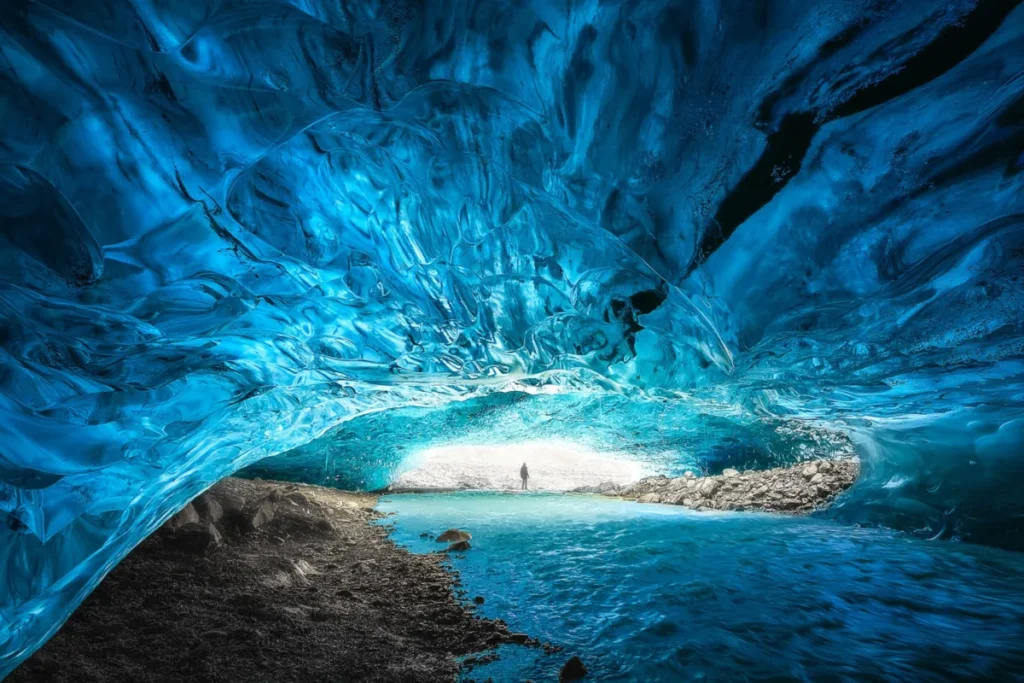

The intersection of natural wonder and human ingenuity has long defined the global travel landscape, offering a spectrum of experiences that range from the raw power of geological formations to the refined elegance of ancient and modern architecture. As global mobility continues to stabilize in the post-pandemic era, the pursuit of "superlative sights"—destinations that represent the absolute peak of aesthetic and historical significance—has become a primary driver for international tourism. These sites, characterized by their unique black-sand beaches, ethereal blue ice caves, and citadels perched thousands of feet above sea level, serve as more than just backdrops for photography; they are essential cultural and environmental touchstones that define the human relationship with the planet.

The Dual Nature of Global Beauty: Natural and Man-Made
The world’s most significant landmarks are generally categorized into two distinct groups: those crafted by Mother Nature over millions of years and those forged by human hands through centuries of labor. Natural wonders such as the Vatnajökull National Park in Iceland provide a stark look at the Earth’s formative processes. Here, the landscape is defined by the juxtaposition of volcanic activity and glacial ice, creating blue ice caves and expansive black-sand beaches that appear almost extraterrestrial. These features are the result of specific geological conditions—basaltic lava cooling rapidly upon contact with the ocean or the slow compression of glacial ice that filters out the red end of the light spectrum, leaving only a deep, crystalline blue.

Conversely, human-made wonders like the city of Petra in Jordan or the citadel of Machu Picchu in Peru represent the pinnacle of ancient engineering. Petra, often referred to as the "Rose City" due to the color of the stone from which it is carved, showcases the Nabataean mastery of water management and rock-cut architecture in a desert environment. Machu Picchu, situated at an elevation of 7,970 feet, demonstrates the Incan ability to integrate urban structures with the steep, rugged terrain of the Andes Mountains. These sites prove that beauty is often found in the defiance of environmental constraints.

A Chronology of Discovery and Preservation
The timeline of these superlative sights spans the entirety of human history and geological time. While the granite peaks of the Dolomites or the "floating" sandstone pillars of Zhangjiajie in China were formed over 300 million years of tectonic shifts and erosion, their "discovery" by the global community is a much more recent phenomenon.

- Geological Formation (Millions of Years Ago): The cooling of the Earth’s crust and subsequent volcanic activity create the foundations for sites like the Giant’s Causeway or the black-sand beaches of the North Atlantic.
- Ancient Construction (1,000 BCE – 1500 CE): Civilizations such as the Nabataeans, the Incas, and the Khmer Empire construct monumental cities like Petra, Machu Picchu, and Angkor Wat.
- The Age of Exploration (15th – 19th Century): Western explorers "document" these sites for a global audience, often leading to increased international interest and, unfortunately, periods of colonial exploitation.
- The Rise of Conservation (1945 – Present): The establishment of UNESCO in 1945 and the World Heritage Convention in 1972 marks a turning point in the protection of these sites. The focus shifts from discovery to preservation and sustainable management.
Supporting Data: The Economics of Awe
The drive to visit these 27 superlative sights is supported by significant economic data. According to the United Nations World Tourism Organization (UNWTO), international tourist arrivals reached approximately 88% of pre-pandemic levels in 2023, with "nature-based" and "cultural heritage" tourism being the fastest-growing sectors.
.jpg)
In Iceland, tourism has become a cornerstone of the national economy, accounting for nearly 10% of the GDP in peak years. The draw of the Vatnajökull National Park alone brings in hundreds of thousands of visitors annually, necessitating a delicate balance between economic gain and environmental protection. Similarly, in Peru, Machu Picchu is the primary driver of the nation’s tourism revenue, but the site has had to implement strict visitor caps—currently limited to approximately 4,500 per day—to prevent the degradation of the ancient stone structures.

The financial commitment to maintaining these sites is equally staggering. The upkeep of a city like Paris—the "City of Light"—requires billions of euros in annual investment for the restoration of historic facades, the maintenance of public parks, and the modernization of infrastructure to support nearly 30 million visitors a year.

Official Responses and Sustainable Management
Governmental and non-governmental organizations have been forced to react to the overwhelming popularity of these "bucket-list" destinations. The official stance from UNESCO and various national park services emphasizes "High Value, Low Impact" tourism.

In a recent statement regarding the management of World Heritage sites, Audrey Azoulay, Director-General of UNESCO, noted, "The protection of these sites is not merely a matter of preserving the past; it is about ensuring that the most beautiful and significant parts of our world remain viable for the future. This requires a transition from mass tourism to sustainable, managed visitation."

In Japan, the management of the Arashiyama Bamboo Grove in Kyoto has seen the implementation of new pathways and barrier systems to protect the root systems of the bamboo from soil compaction caused by foot traffic. In Jordan, the Petra Development and Tourism Region Authority (PDTRA) has introduced digital ticketing and expanded the "back-trail" routes to distribute the density of tourists more evenly across the 264-square-kilometer archaeological park.

Broader Impact and Environmental Implications
The primary challenge facing the world’s most beautiful places is the paradox of their own popularity. The more "superlative" a site is deemed, the more it is threatened by the very people who wish to admire it. Climate change represents an existential threat to many of these locations. The glacial ice of the Arctic and the Alps is retreating at an unprecedented rate; current projections suggest that many of the blue ice caves mentioned in travel itineraries may cease to exist by the end of the century if global temperature trends continue.

Furthermore, the "Instagrammability" of these locations has led to a phenomenon known as "overtourism." Sites that were once serene and remote, such as certain bamboo tunnels or high-altitude citadels, now face issues with waste management, local housing affordability, and the erosion of the "spirit of place."

However, the impact is not entirely negative. The global spotlight on these 27 reasons to travel has also fostered an international culture of appreciation and philanthropy. Revenue generated from entrance fees is frequently funneled back into local communities, providing education, healthcare, and employment that would otherwise be unavailable in remote regions. The visibility of these sites also creates a powerful lobby for environmental conservation; people are more likely to support climate action when they have a personal connection to a place of immense beauty.

Analysis: The Future of the Global Landmark
As we look toward the future of global travel, the definition of a "superlative sight" is evolving. While the grand blockbusters—the granite peaks and the ancient stone cities—will always hold their allure, there is a growing trend toward "quiet beauty" and "regenerative travel." This involves visiting lesser-known sites that offer similar aesthetic value but with a smaller environmental footprint.

The 27 sights highlighted by experts like Amelia Mularz serve as a starting point for a deeper engagement with the world. Whether it is the architectural precision of a Frank Gehry building or the natural symmetry of a bamboo forest, these locations challenge our perceptions of what is possible on Earth. They remind us that the world is not just a place to inhabit, but a masterpiece to be curated and protected.

The planning of a "bucket-list" trip in the current era requires more than just a passport and a camera; it requires a commitment to being a responsible steward of the places we visit. By understanding the geological history, the human effort, and the current challenges facing these superlative sights, travelers can ensure that their journey contributes to the preservation of the very beauty they seek to experience. The reasons to plan a trip are numerous, but the most compelling reason is the opportunity to witness the extraordinary resilience of both nature and human creativity.