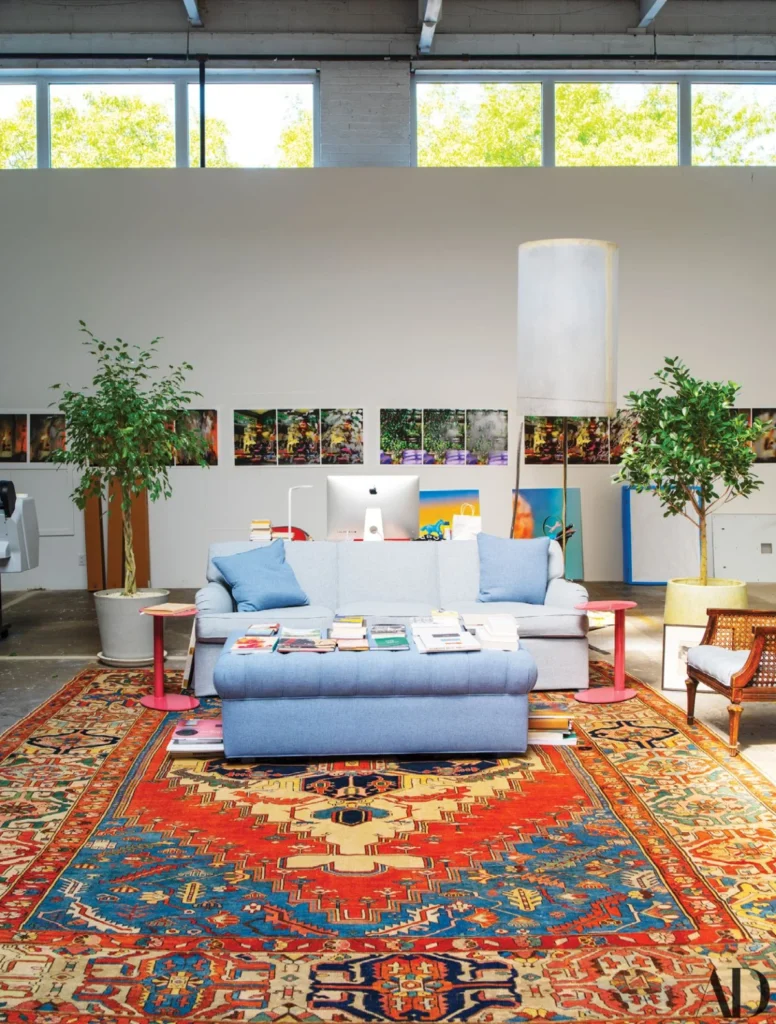

The marketplace serves as a digital bazaar, offering a spectrum of floor coverings that range from affordable, utilitarian jute pieces to investment-grade Turkish masterpieces. To navigate this vast inventory, industry experts emphasize a strategy rooted in historical context, material education, and meticulous vendor vetting. This report examines the primary categories of rugs available on the platform, the expert methodologies for procurement, and the broader economic implications of the direct-to-consumer artisanal trade.
The Economic Context of the Global Rug Market
The proliferation of rugs on Etsy is reflective of a broader shift in consumer behavior toward "slow interiors"—a movement that prioritizes longevity, craftsmanship, and ethical sourcing over mass-produced "fast furniture." According to market data, the demand for handmade and vintage rugs has seen a significant uptick as consumers seek to differentiate their living spaces in an era of homogenized, algorithm-driven aesthetics.
Etsy’s Home & Living category remains one of its most profitable sectors. The platform provides a vital lifeline for weavers in regions such as Anatolia, the Atlas Mountains, and rural India, allowing them to bypass traditional export-import hierarchies. This direct access typically results in a more diverse selection for the consumer and higher profit margins for the creators, though it places the burden of quality assurance on the buyer.
Categorization of Style and Craftsmanship
The diversity of the Etsy inventory can be categorized into several distinct design movements, each with its own historical lineage and functional benefits.
Custom and Bespoke Creations
For many designers, the primary draw of the platform is the ability to commission bespoke pieces. Sellers such as Fairfax Rugs and Oriental Looms have gained prominence by offering customizable dimensions, colors, and patterns. This segment of the market caters to non-standard room layouts where "off-the-rack" rugs are insufficient.
- Case Study: The Fairfax Rugs Koi Fish Runner represents a fusion of traditional weaving techniques with modern, whimsical motifs. Such pieces often serve as "statement" items that anchor a room’s color palette.
- The Mahal Tradition: Vendors like Oriental Looms often utilize the Retro Mahal style—a wool-based construction known for its durability and intricate floral or geometric patterns that trace their origins back to 19th-century Persia.
The Moroccan Heritage: Beni Ourain and Beyond
Moroccan rugs have maintained a dominant position in interior trends for over a decade. Characterized by high piles, natural wool, and bold, often asymmetrical geometric patterns, these rugs were originally crafted by Berber tribes for warmth in the Atlas Mountains.
- Authenticity Markers: Experts point to Najat Rugscraft and Berber Artisanat as examples of vendors who maintain the integrity of the Beni Ourain and Azilal styles.
- Design Application: Because of their neutral foundations and vibrant accents, these rugs are frequently used by maximalist designers to add texture without overwhelming a space.
Turkish Oushaks and Kilims
Turkish rugs represent some of the most sought-after vintage finds on the platform. The Oushak style, originating from the city of Uşak, is noted for its silky, high-quality wool and soft, pastel-toned dyes.
- Historical Significance: Oushaks have been a staple of aristocratic interiors for centuries, frequently appearing in Renaissance paintings.
- The Kilim Factor: Unlike the knotted pile of an Oushak, Kilims are flat-woven, making them lighter and often more affordable. Designers like Walton Goggins have famously utilized Kilim styles to create a "lived-in" aesthetic that balances rustic charm with sophisticated design.
Natural Fibers and the Coastal Aesthetic
The "coastal" or "Hamptons" look relies heavily on natural textures, primarily jute and sisal. These materials are favored for their sustainability and neutral profiles.
- Material Science: Jute is a vegetable fiber that is biodegradable and carbon-neutral. While less soft than wool, its durability makes it ideal for high-traffic areas.
- Styling Trends: Scalloped edges and braided designs, such as those from Himalayan Rugs Co., have seen a resurgence, often used to soften the linear rigors of modern architecture.
The Professional Protocol: Expert Tips for Procurement
Navigating a marketplace with millions of listings requires a disciplined approach. Leading interior designers have established a set of "best practices" to mitigate the risks associated with international shipping and sight-unseen purchases.
The Importance of Visual Comparison
Designer Obermeier suggests a technical approach to color verification. Because digital screens calibrate colors differently, she recommends asking sellers to photograph rugs against a known color reference, such as a Benjamin Moore "Chantilly Lace" paint deck. This allows the buyer to identify underlying tones—such as unexpected greens or yellows—that might clash with their existing decor.
Adaptability and the "Art" of the Rug
Zoe Feldman, a prominent interior designer, argues that rugs should be viewed with the same flexibility as fine art. If a rug arrives with a different hue than anticipated, she suggests moving it to another room or even flipping it, as many flatweave styles are essentially reversible. This "adaptable" mindset is essential when dealing with vintage items that possess natural variations.
Identifying Specialized Vendors
Clara Jung of Banner Day SF emphasizes the value of vendor loyalty. Many Etsy sellers specialize in specific regions or eras. Once a reliable source is found—one that provides consistent descriptions and high-quality photography—designers often return to them for multiple projects. This relationship-based sourcing mimics the traditional "rug dealer" model but at a digital scale.
Embracing Imperfection
The allure of a vintage rug lies in its "weathered" quality. Tiffany Leigh Piotrowski notes that measurements on vintage pieces are rarely exact, and edges are seldom perfectly straight. These are not defects but rather "authenticity markers" that signify a hand-knotted origin. Designer Michelle Gage points out that reputable sellers will provide upwards of ten detailed photos showing every sign of wear, ensuring the customer is fully informed before the transaction.
The Logistics of Global Trade: A Chronology
The journey of an Etsy rug from a loom to a living room involves a complex timeline of production and logistics.
- Sourcing/Creation: For vintage rugs, this involves "picking" from local markets or estates in countries like Turkey, Morocco, or Iran. For custom rugs, the weaving process can take anywhere from four to twelve weeks depending on the knot density.
- Cleaning and Restoration: Vintage finds undergo professional cleaning and, in some cases, "color-washing" to neutralize overly bright traditional dyes for a modern market.
- Export and Customs: International shipping involves navigating the customs regulations of the country of origin and the destination. Most high-end Etsy sellers utilize express couriers (DHL/FedEx) to provide end-to-end tracking, which has significantly reduced the "lost package" anxiety of early e-commerce.
- Delivery and Acclimation: Upon arrival, wool rugs often require 24 to 48 hours to "settle" and lose the creases formed during tightly packed transit.
Broader Impact and Implications for the Industry
The success of the Etsy rug market has forced traditional high-end showrooms to reconsider their business models. The transparency of pricing on digital marketplaces has put downward pressure on the exorbitant markups traditionally found in the rug industry. Furthermore, the ability for a weaver in a remote village to command a fair market price directly from a consumer in London or New York has profound implications for global wealth distribution and the preservation of cultural heritage.
However, the "Etsy Effect" also brings challenges, including the proliferation of machine-made "distressed" rugs that mimic the look of vintage pieces. Consumers must remain vigilant, as the term "handmade" is sometimes used loosely in digital listings.
Conclusion: The Future of Digital Sourcing
As augmented reality (AR) technology becomes more integrated into the shopping experience, the "dice roll" of buying rugs online will likely vanish. Soon, buyers will be able to project a 3D model of a Turkish Oushak onto their floor with millimeter precision before hitting the "purchase" button. Until then, the success of the Etsy rug market relies on the old-world values of trust, communication, and a shared appreciation for the beauty of the handmade. For the discerning decorator, these rugs represent more than just floor coverings; they are a bridge to global traditions and a testament to the enduring value of artisanal skill in a digital age.